 by
by The Canadian government is demanding the return of millions of dollars after General Motors cut about 500 jobs at its plant in Oshawa. This decision by the automaker is the latest step after halting work on BrightDrop electric vans in Ingersoll, Ontario. Ottawa states that future funding will be provided primarily to companies that protect local jobs.
Unpredictable Years for the Auto Industry
The automotive industry has been highly unpredictable in recent years. Just a few months ago, General Motors abandoned its commitments to produce electric vans in Canada. Now the company is proceeding with further cuts, laying off about 500 employees. This is forcing federal officials in Ottawa not only to ask questions but also to demand the return of funds.
Government officials state that they intend to recover the incentive funds provided to GM under the original agreement.
Industry Minister Mélanie Joly said on Friday that Ottawa has already notified GM of its intention to recover funds related to employment and investment promises.
This decision was made following the company’s move to reduce operations at the Oshawa plant from three shifts to two, starting February 2. According to officials’ estimates, this could lead to the loss of up to 1,200 jobs across the supply chain.
A Key Plant and Its Significance
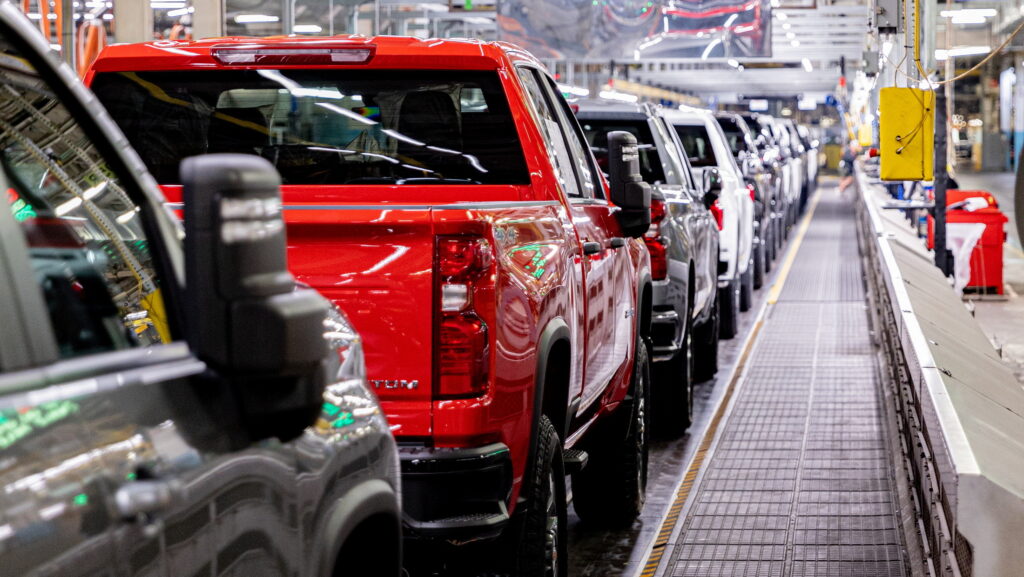
This plant, which currently produces Chevrolet Silverado pickups, many of which are exported to the United States, has always been a key element of GM’s Canadian operations.

“I met with people from GM yesterday and told them we are taking our money back. If GM doesn’t want to continue investing more in Canada, we will invest more in other players. We will fight for these workers and find jobs for them,” Joly said in an interview with CBC.
These events are unfolding against the backdrop of GM canceling plans to develop its BrightDrop electric van in Ingersoll.
Financial Settlements and Seeking Justice
When the deal was initially announced, the government allocated 259 million Canadian dollars to modernize plants in both Ingersoll and Oshawa. Mélanie Joly noted that the amount Ottawa is seeking to recover is still being calculated but confirmed it involves “millions” related to both facilities.
“We want justice for Canadian taxpayers, who have no time for those who don’t believe in us,” she said.
An Uncertain Future for Oshawa
GM confirmed to The Detroit News that it will proceed with the shift reductions in Oshawa. The automaker also stated that it continues to prepare for the production of the next generation of full-size internal combustion engine pickups at the same plant.
This transition was supported by previously announced investments of 280 million Canadian dollars specifically in this plant. While the government is demanding the return of funds from GM, it is also turning to other automakers.
Joly cited the example of Toyota, which produces the RAV4 in Ontario, and Honda, which kept its employment commitments despite changing plans for electric vehicle supply chain production.
She and other government officials have even visited and engaged with Chinese automakers, as well as mass-market brands like Volkswagen, Hyundai, and others.
This situation points to a broader trend of reviewing the terms of state support for businesses. The Canadian government is demonstrating a readiness to apply tough measures when corporate decisions contradict national interests and the promises made upon receiving funding. The active search for new partners among other automakers indicates a strategic attempt to diversify the country’s automotive industry and reduce dependence on a single major player. The future of the Oshawa plant, despite investments in a new generation of technology, remains a question, as staff reductions are often accompanied by long-term socio-economic consequences for the region.