 by
by ICCU Problem: Hyundai, Kia, and Genesis EVs leave drivers stranded on the road again
Hyundai and Kia have created several truly impressive electric vehicles over the past few years, but one issue continues to trouble many owners. It concerns a separate component called the Integrated Charging Control Unit (ICCU), which manages charging between the high-voltage battery and the 12-volt system, ensuring their correct and coordinated operation.
The fact is that when the ICCU fails, the car can turn into a huge brick. Hyundai and Kia have already conducted recalls to fix ICCU-related issues, but now a class-action lawsuit claims the fix only involves using the same low-quality parts.
More details: Hyundai fixed its ICCU, then allowed thieves to destroy the rest of the car before he could see it
Essence of the lawsuit and affected models
The lawsuit, filed in the U.S. District Court for the District of New Jersey, targets Hyundai Motor Company, Kia, Genesis Motor, and Hyundai Kefico, the supplier of the charging control units. The list of affected vehicles includes:
According to case materials reviewed by Carcomplaints, the main claim is not that these cars have problems. Rather, it is that they likely continue to have them after the recall was supposed to have definitively resolved the issue. Two plaintiffs, Hayes Young from New Jersey and Roy Williams from Kentucky, claim that the service performed under the recall yielded no results.
Owner testimonies
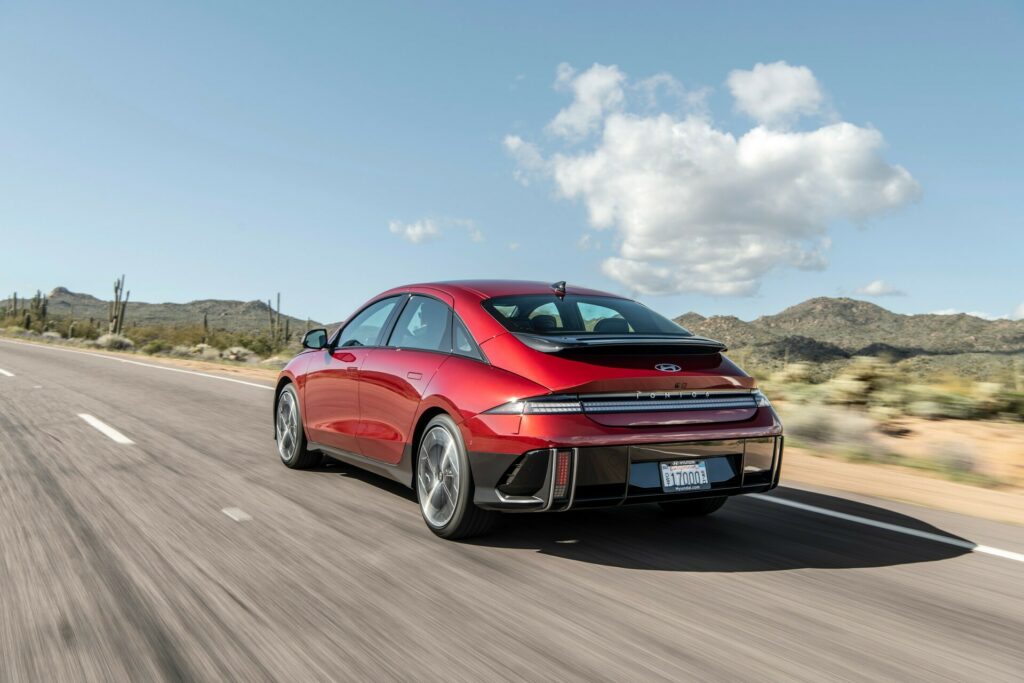
Young recounts that his 2023 Hyundai IONIQ 5 SEL experienced a 12-volt battery discharge in December 2025, requiring a warranty replacement. He claims the problem returned, and the dealer allegedly identified the ICCU as the cause, but no replacement was offered.
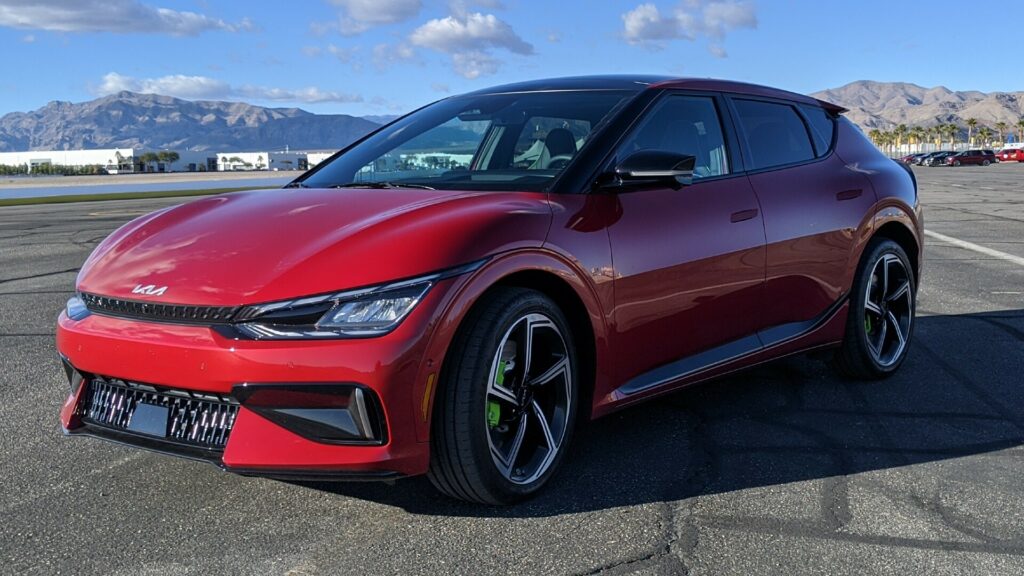
Williams says his leased 2025 Kia EV6 entered limp mode after a loud bang, requiring a tow to the dealer. After battery charging, software updates, and eventually a battery replacement failed to resolve the issue, the ICCU was reportedly replaced in March 2026.
The lawsuit also mentions owner complaints about charging port damage during home charging and dashboard warnings such as “Check Electric Vehicle System” and “12V Battery Voltage Low, Stop Safely.”
Manufacturer response and next steps
It is important to note that none of the defendants (Hyundai, Kia, etc.) have responded to the lawsuit yet. Typically in such cases, the automaker(s) file a motion to dismiss, but it may take several days or longer for the next stage of the process to occur.
This situation raises serious concern, as the ICCU issue, which initially seemed resolved through the recall, is coming to the forefront again. If replacing the faulty component does not eliminate the root cause but merely delays its manifestation, this could indicate a deeper design flaw. For owners, this means not only inconvenience and wasted time but also potential danger when the car suddenly loses power or becomes completely depowered. The further development of the legal process could force manufacturers to reconsider the ICCU design or offer a more radical solution, such as a complete replacement of the unit with a new, redesigned version. For now, owners can only hope that their cars do not let them down at the most unexpected moment.