 by
by Public Discussion on Headlight Brightness
Have you ever had to squint at oncoming traffic at night, thinking the headlights had turned into portable suns? Canadian officials have started asking the same question. Following a steady increase in complaints, the government has launched public consultations to find out if modern safety standards are still fit for purpose, or if they are too lenient for the brighter and harsher modern lighting technologies.
Transport Canada is now inviting drivers to share their opinions through an online survey, which will run until April 20. Anyone aged 16 and over can participate, but the focus is on those who regularly face night driving and its increasingly harsh glare.
Scope of the Standards Review
The review goes beyond simply complaints about lights being “too bright.” Officials are also considering issues of how headlights are aligned at the factory, and whether stricter rules for automatic leveling systems are needed. The results of this research could shape future policy—from tighter manufacturing standards to more aggressive provincial inspection requirements aimed at controlling glare.
Headlights Are Getting Brighter

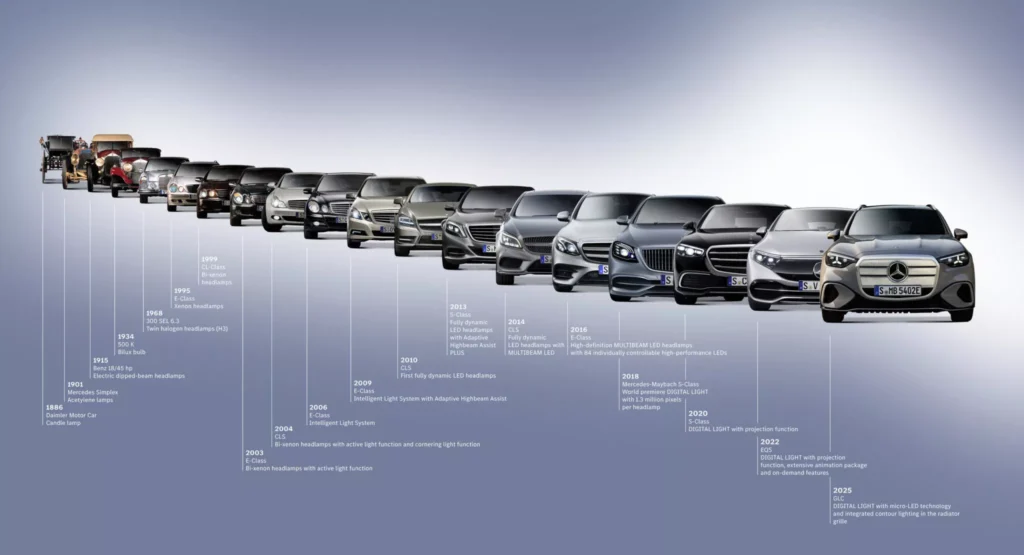
LED technology has quietly taken over the market, sending old halogen light to the history shelf. They illuminate the road ahead significantly better, and that’s undeniable. But the problem arises for everyone traveling in the opposite direction, where this extra brightness can feel not like progress, but like a punishment.
The situation worsens when these LED headlights are installed higher. Pickup trucks and SUVs have a fairly high ride height, so their headlights line up directly with the mirrors and windshields of lower cars, turning an ordinary night drive into an exercise in squinting and guessing.
Driver Reaction and Comparison with Europe
Drivers across Canada are expressing their outrage online, pointing to what they see as a lack of meaningful regulation. A common complaint concerns the harsh white color of LED light, which many say is more severe and exhausting than the soft glow of halogens.
A Halifax resident, speaking to CTV News, described the experience of encountering modern headlights at night as “feeling like you’re being abducted by aliens.”
It’s a colorful way to describe the reality when dark rural roads meet the almost clinical intensity of modern headlights.
Europe Shows the Way
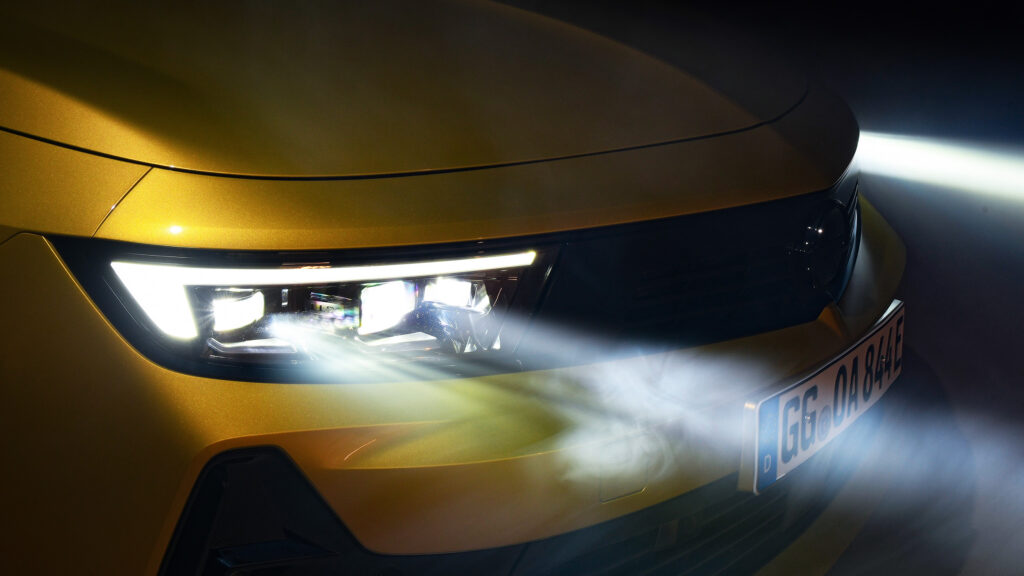
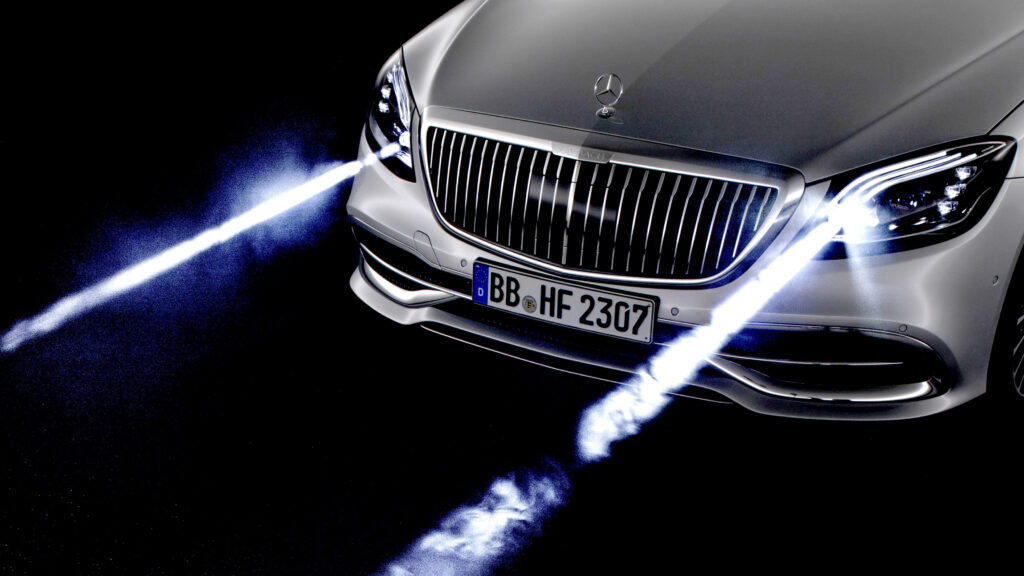
The truth is that North America still lags behind Europe in adopting truly advanced adaptive headlight technologies. Across the ocean, matrix LED systems have become the norm. Such systems can selectively dim parts of the beam to avoid blinding oncoming traffic, while leaving everything else brightly lit. It’s smart, effective, and already proven.
Meanwhile, North American regulations are slowly catching up, largely tied to technical standards that don’t quite match how these systems operate.
The Problem of Poor-Quality Replacements and Accident Statistics
The real problem may lie in cheap solutions
Factory lighting isn’t the only issue. The aftermarket parts industry has added its own layer of unregulated chaos. Replacing halogen bulbs with inexpensive LED analogues might seem like an upgrade, but in many cases, it isn’t.
These plug-and-play LED bulbs are often incompatible with the reflector optics designed for halogens. The result is a messy, unfocused beam that scatters light everywhere except where it’s needed. Visibility improves marginally, but the glare for everyone else is undeniable.
The data doesn’t fully match the outrage
A case can be made for stricter regulation, and Canada’s current push may finally address it. However, the reality is more nuanced than the complaints might suggest. Recent data from the Insurance Institute for Highway Safety shows that glare plays a role in only one or two out of every thousand nighttime crashes. At the same time, LED headlights are associated with a nearly 20% reduction in single-vehicle nighttime crashes.
So, while the glare debate won’t disappear anytime soon, the numbers suggest that better lighting brings more benefit than harm.
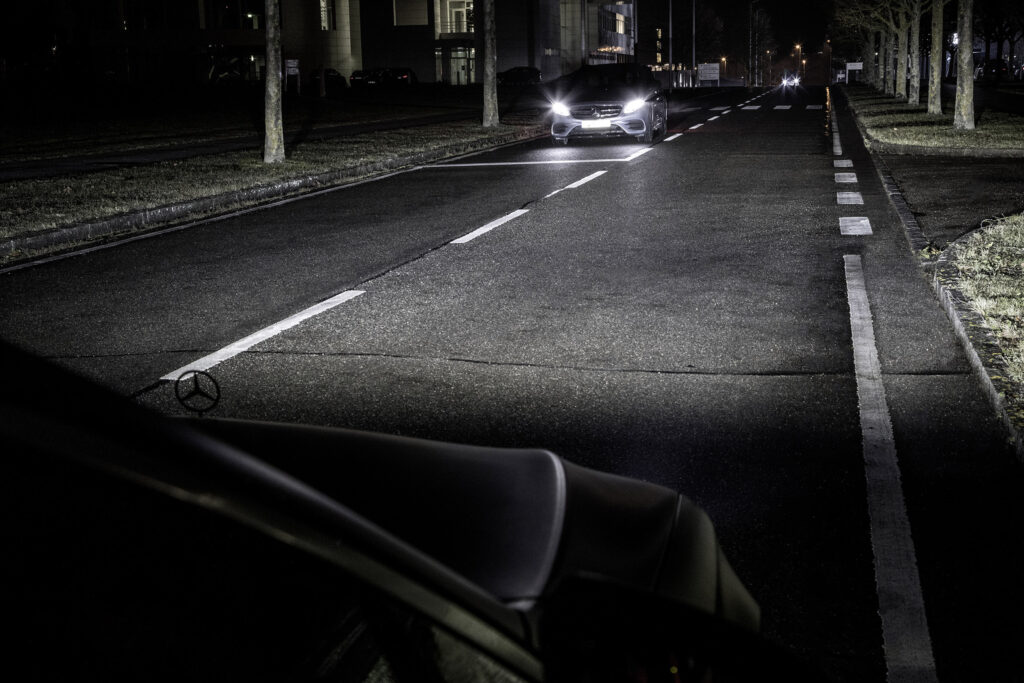
Transport Canada’s initiative opens an important public discussion about the balance between driver safety and the comfort of all road users. Technologies like matrix headlights already demonstrate that it’s possible to have both bright light and minimal glare. The key question remains the implementation of these standards and their enforcement, especially in the aftermarket. The final conclusions of the survey could form the basis for updating national standards, bringing North America closer to the European experience and making night driving safer for everyone.