 by
by Automotive Industry Confesses: Touch Buttons Are a Matter of Cost, Not Convenience
For the past ten years, the automotive industry has been steadily moving towards touchscreens and buttons, arguing for modern design and aesthetics. However, in practice, such solutions have often proven less convenient for drivers.
Now one of the world’s most famous automakers openly admits what many have suspected: touch controls won not because they are better, but because they are cheaper to produce.
Ferrari CEO Benedetto Vigna stated that the abandonment of physical buttons is almost unrelated to improving the driving experience, but is very much related to production efficiency.
A touch button is something created for the benefit of the supplier… Making a touch button is cheaper – 50 percent cheaper.
He also emphasized that this trend is not driven by customer benefits or any technological advantage. This frank admission confirms what is increasingly being voiced in the industry: touch panels reduce the number of parts, simplify wiring, and allow manufacturers to use the same components across different models.
Ferrari’s New “Phygital” Philosophy
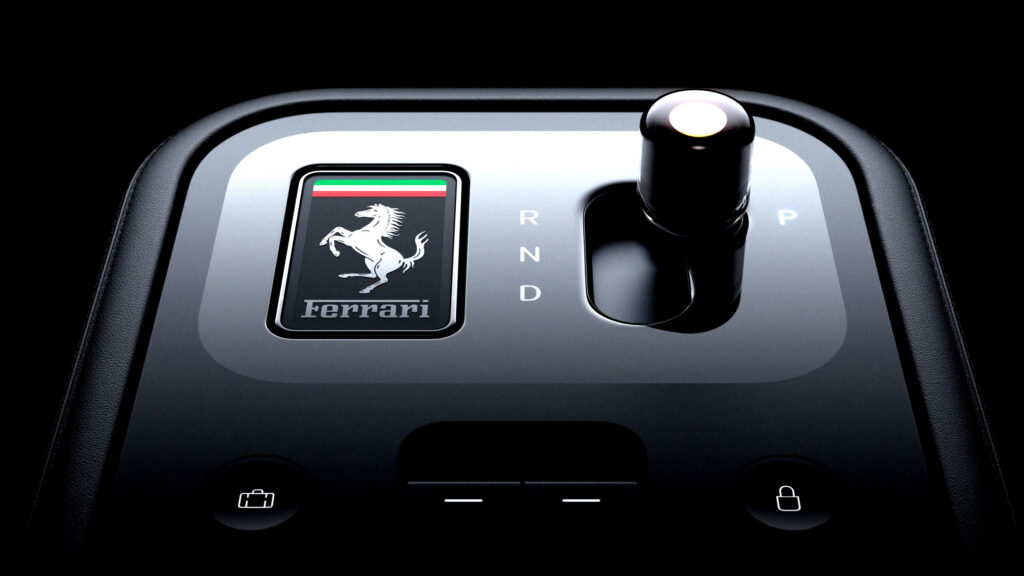
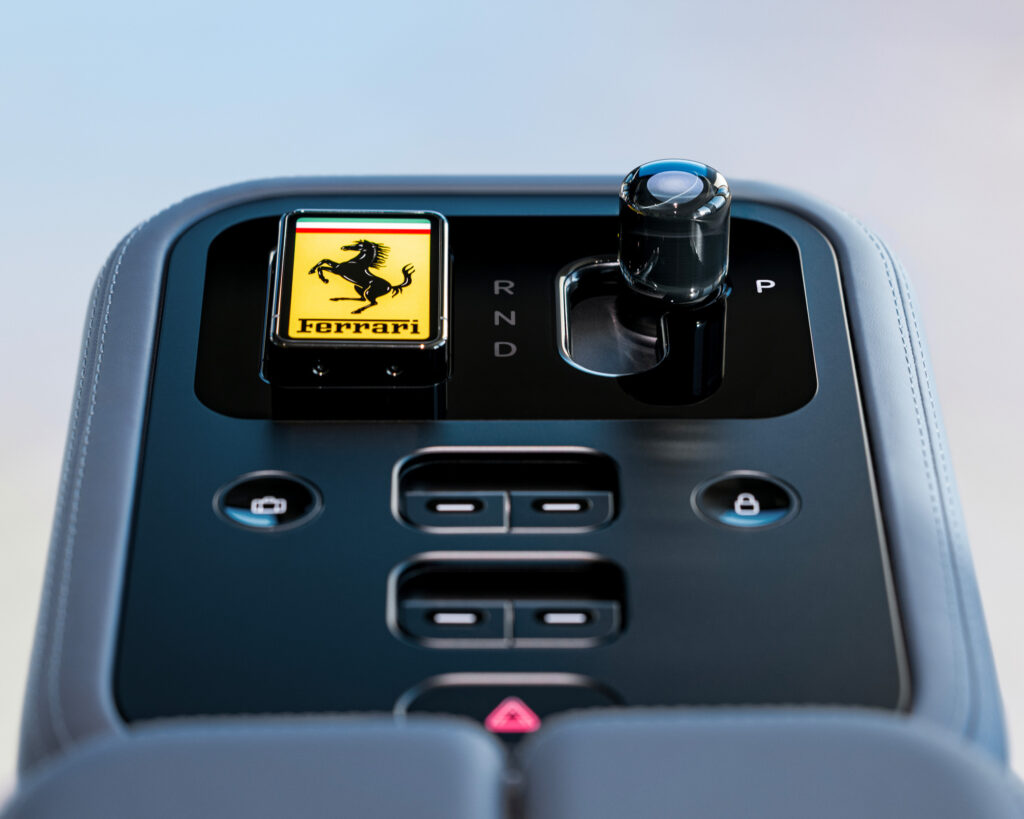
However, Ferrari now claims to be moving in the opposite direction, especially regarding its first electric car, the Luce, expected to be released this year. Instead of increasing the number of screens, the company plans to bring back more physical switches, knobs, and toggles, especially for the most frequently used functions.
This applies, for example, to steering wheel controls and climate settings, where tactile feedback can be crucial. Vigna calls this approach “phygital” – a combination of physical and digital control elements designed to preserve the intuitiveness of the interface without abandoning modern software functions.
The Return of Buttons Becomes a New Trend
Interestingly, the development of the Luce involved the design consultancy LoveFrom, led by former Apple designer Jony Ive – the person behind the original iPhone, a product that became historically significant precisely because of the deliberate absence of physical buttons.
Ferrari is far from the only company rethinking the importance of physical controls. Ultra-luxury brands like Rolls-Royce never fully abandoned buttons and levers. Mass-market manufacturers such as Hyundai and Volkswagen are also openly talking about the need to return physical controls instead of touch ones. Now it remains to be seen how exactly different companies will implement these new design concepts in their future models.
This shift in automotive interior design could mark the beginning of a more balanced approach, where engineering decisions are made not only through the prism of cost and fashion but also with regard to the driver’s real comfort and safety. After years of experimenting with fully digital cabins, manufacturers seem to realize that the best interface is often the simplest and most obvious to use on the go.