 by
by Museum exhibit “KITT” received a fine for speeding in New York, although it stood still in the museum the entire time
The Volo Museum, famous for its collection of over 200 cars, including cinematic ones, recently faced an unexpected situation. Their exhibition features a 1983 Pontiac Firebird styled after the legendary KITT car from the TV series “Knight Rider.”
Although such replicas are not uncommon, the story took an unexpected turn when the museum received a notice of a speeding fine for this very car. A letter from the New York Department of Finance claimed the car was caught at a speed of 58 km/h in a 40 km/h zone in Brooklyn.
The problem: the car was 1,352 km from the violation site
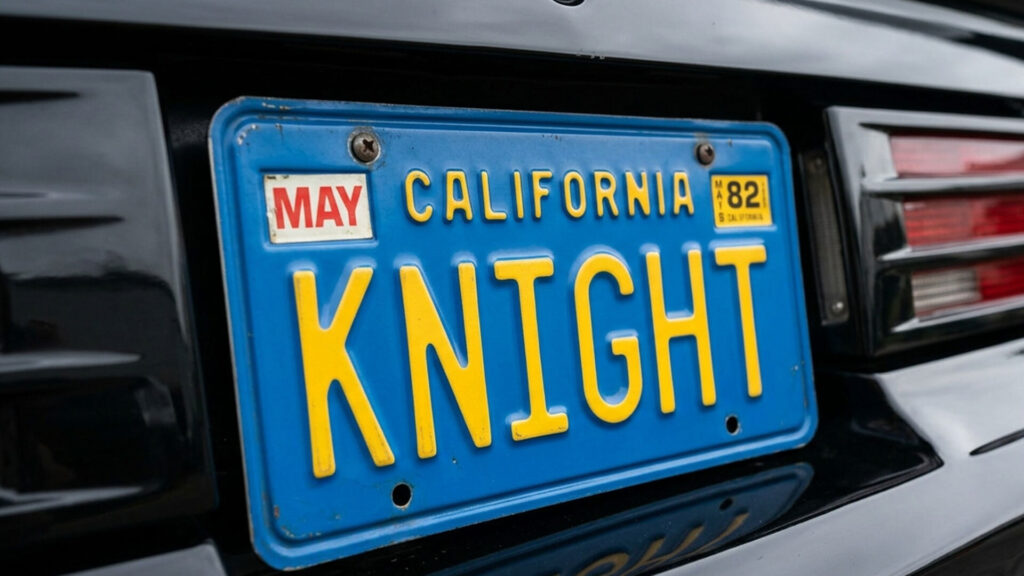
The incident occurred on April 22, but there is one significant discrepancy: the KITT replica was parked at the Volo Museum in Illinois the entire time, almost 1,352 km away from New York. How did this happen? It turned out that the car caught on camera had a decorative license plate reading “KNIGHT” from California.
These are the very plates used in the TV series. It seems the real violator purchased such a souvenir plate and installed it on their car. A quick search shows that a similar “plate” can be purchased for about $25, but they are intended solely for decoration.
How the museum suffered due to license plate fraud
Someone apparently decided to use a decorative plate to avoid fines, but the punishment “landed” on the museum. As museum representatives stated, “the official New York system links this decorative plate specifically to the Volo Museum.” They emphasize that this is “100% true” and that “KITT hasn’t moved from our museum in years!”
Well, this is a new one… we got this in the mail today. This is 100% legit. A traffic camera captured Knight Rider’s… Posted by Volo Museum on Thursday, May 7, 2026
This is not the first such case
While this sounds incredible, similar incidents have happened before. Last fall, a woman received 15 fines from different parts of the country because people were using a decorative version of her real California plate “LUVSICK.”
She had to resolve the issue on her own. Ultimately, she sent a letter to the company selling such souvenir plates, demanding they cease production. She managed to get the fines canceled, but it was a significant hassle that she should not have had to endure.
This story once again draws attention to the problem of using decorative license plates, which can mislead automated enforcement systems. While such plates are sold as souvenirs, their use on public roads is illegal and can create serious inconveniences for owners of real plates or, as in the case of the museum, for completely uninvolved parties. The situation also demonstrates how vulnerable automated traffic enforcement systems can be if they lack reliable mechanisms for verifying the authenticity of license plates. For the Volo Museum, this incident became an unexpected reminder that even a stationary exhibit can “end up” in a traffic incident thanks to unscrupulous fans.