 by
by K&N fuel filters can cause a fire
If you or your mechanic recently installed a new K&N fuel filter on your car, it must be removed and discarded immediately, replacing it with an original filter or a compatible equivalent. Until replacement, K&N strongly recommends not operating the vehicle, as the filter poses a potential fire hazard. This is not a warning that can be put off until later.
Reason for the defect
After analyzing Amazon reviews and receiving two calls from customers, K&N began inspecting a batch of fuel filters manufactured between July 1, 2025, and July 23, 2025. It turned out that under certain elevated temperatures, the O-rings inside the filter are prone to failure.
Read also: Fuel leak causes recall of nearly a quarter million Kia and Genesis vehicles.
If this happens, fragments of the ring can clog fuel lines, causing engine performance issues or a small leak in the filter itself. This can lead to reduced drivability and, in the worst case, an accident. Even more dangerous: a fuel leak can cause a fire.
K&N states that the defect is likely caused by a change in the O-ring material. The filters were manufactured by the Chinese company Shanghai Jin Da Imp/Exp Corp.
Which filters are defective?
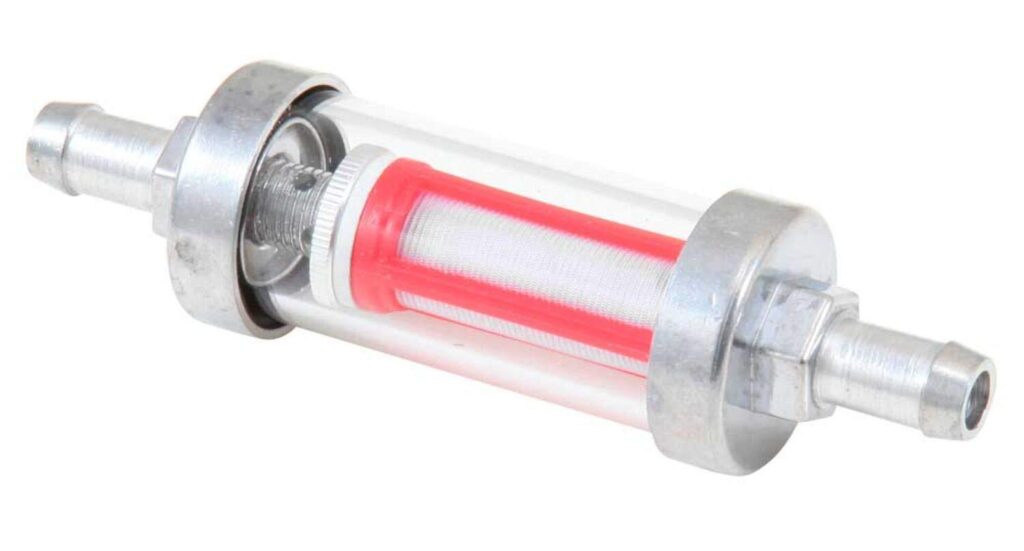
In total, 44,053 fuel filters are being recalled in the US, and 100 percent of them are likely to have this problem. The affected part numbers are: K&N 81-0300, K&N 81-0301, SPE-2369, SPE-2358, and SPE-6932. After discovering the problem, K&N stopped supplies from this manufacturer and discontinued the defective filters.
Customers are advised to immediately remove the filter and replace it with an OEM equivalent or a product from another manufacturer — K&N will not provide replacement filters. However, the company will refund the cost of the recalled filters upon proof of purchase.
It is important to note that this is not the first case of a mass recall due to defective components made in China. Although K&N places responsibility on the O-ring manufacturer, it is the brand that must ensure the quality of the final product. Car owners should check if any filters from this batch have been recently installed and not delay replacement — the risk of fire is real, despite the relatively small number of complaints.