 by
by Updated BMW X1 Gets Neue Klasse Styling but Remains on the Old Platform
When the BMW X1 debuted in 2022, its design already looked modern thanks to the body’s clean lines and flush door handles. However, the car’s front end still retained the brand’s classic features. It has now become clear that the German manufacturer saved the most interesting design solutions for the presentation of the revolutionary Neue Klasse lineup. Now that those cars have been unveiled, it’s time to modernize the compact SUV as well.
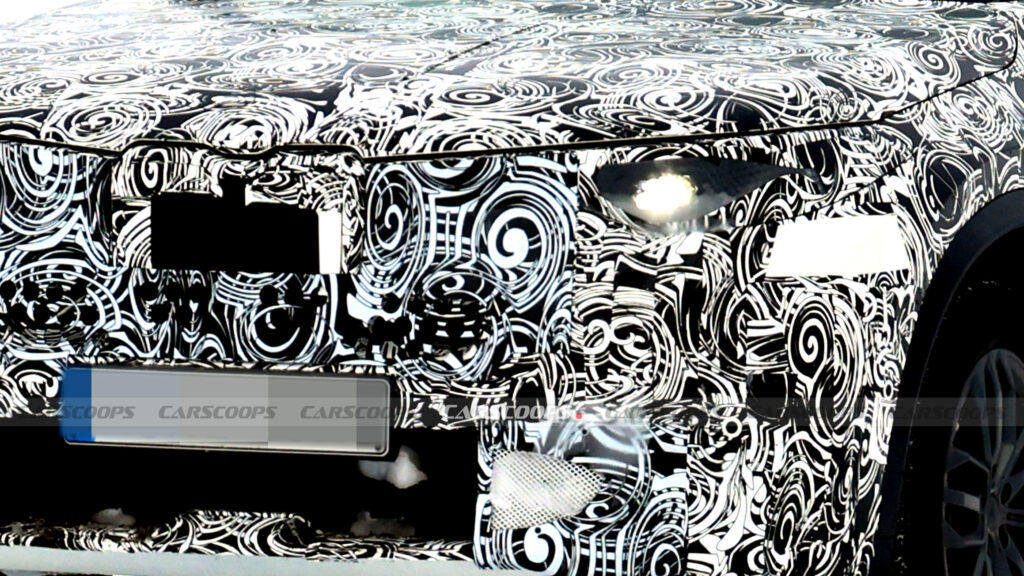
The most noticeable changes affected the exterior, particularly the front end. During the facelift, BMW abandoned the traditional kidney grille and separate headlights in favor of a new visor-like design. This same style is seen on the electric iX3 models and the recently unveiled i3 sedan. The new front end looks smoother, cleaner, and more “digital,” which harmoniously complements the already quite modern body design.
Modern Technologies in the Cabin and a “Split Personality”
The updated interior received the latest version of the touchscreen and the Panoramic iDrive display, which stretches across the entire instrument panel and reduces the number of physical buttons. This is the same technology that BMW is implementing in its new-generation electric models, making the X1’s interior significantly more contemporary.
This is not a car built on the Neue Klasse platform under the hood. Instead, the X1 remains on the existing FAAR architecture, which it shares with the 1-Series hatchback and various Mini models.
So, while the SUV may resemble BMW’s latest electric models on the outside, under the hood it will retain familiar 1.5, 2.0, and 3.0-liter gasoline engines, as well as hybrid setups—depending on the market.
BMW’s Massive Product Offensive
This “split personality” quite accurately reflects the company’s current stage of development. BMW is in the process of one of the largest product offensives in its history: by 2027, it plans to launch about 40 new or updated models.
The X1 will not be alone. Similar updates are expected for models such as the electric iX1, 5-Series and i5, as well as the X3, X5, 3-Series, and 4-Series. Moreover, for the last three models, the changes will be more profound than a minor facelift, and they will look almost indistinguishable from their true electric “siblings” on the Neue Klasse.
This strategy allows BMW to simultaneously introduce a radically new design language across the entire model range without waiting for each model to fully transition to the new electric platform. It is a kind of bridge between the brand’s past and future, ensuring a smooth transition for production and customers. A similar approach also demonstrates how automakers can evolve by gradually integrating key identity elements of future lineups into today’s, not yet fully electrified, cars.