
 by
by Tesla targets US government fleets
Winning over ordinary consumers is one task, but institutional fleets operate by completely different rules. Perhaps sensing that increasing sales in the US will be difficult, Tesla now aims to sharply increase the number of cars it sells to government agencies — a sector long dominated by General Motors and Ford.
It has become known that Tesla signed a contract with Sourcewell in December. Sourcewell is a service cooperative and government entity that simplifies procurement for public institutions by eliminating the need for separate bidding processes. GM and Ford already have contracts with Sourcewell that run until November 2028.
This agreement provides Tesla access to over 50,000 potential buyers in the government sector in the US and Canada, including cities, school districts, and government agencies.
Deal details and potential
According to a Business Insider report, Tesla’s agreement with Sourcewell could last up to seven years and includes an “unlimited number” of sales. In practice, this means the company can supply a wide range of vehicles to government agencies, with the possibility of modifications such as police lighting and wheelchair ramps.
The agreement covers small cars, SUVs, vans, and light trucks, and allows third parties to perform these modifications.
An untapped gold mine?
Tesla claims that state and local government entities across the US operate between 1.5 and 2 million light vehicles, a significant share of which is expected to transition to electric vehicles soon. Currently, the company’s presence in the government sector remains minimal: just over 800 vehicles have been sold to government clients. This figure represents less than 1% of Tesla’s annual sales. California leads, purchasing approximately 500 Tesla electric vehicles annually. At the other end of the scale is Maine, which buys roughly one Tesla per year.
To make the offer more attractive, Tesla is waiving the standard delivery fee for government buyers. The lack of direct leasing or financing options for fleets could still complicate matters, although the company seems undeterred and expects volumes to grow following the Sourcewell deal.
“Tesla’s mission is to accelerate the world’s transition to sustainable energy,” the automaker stated. “This is an opportunity to do a good thing for a great country.”
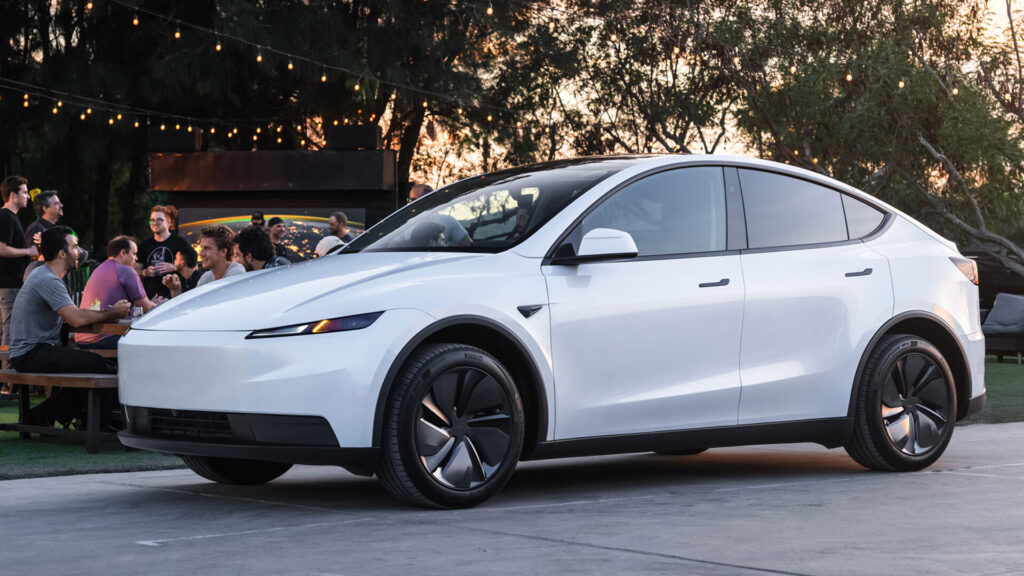
This move by Tesla is a strategic maneuver in a market where traditional automakers like GM and Ford have long-standing relationships and established contracts. The agreement with Sourcewell opens access for Elon Musk’s company to a huge segment of buyers previously nearly unreachable. Considering that government entities often have plans to electrify their fleets, Tesla could gain a significant advantage by offering ready-made electric vehicles without the need to go through complex bidding procedures. However, the lack of in-house leasing programs could be an obstacle, as government budgets are often structured for long-term leases rather than one-time purchases. Nevertheless, waiving the delivery fee and the possibility of modifications make Tesla’s offer more competitive, and if the company manages to establish itself in this sector, it could significantly impact its overall sales in the US.