 by
by Volkswagen Group plans to reduce its model lineup by 50% by 2030
The Board of Management of the Volkswagen Group has presented a tough plan for the future, which involves a gradual reduction of the global model portfolio of the automotive giant by 50% by 2030. This is a business restructuring aimed at strengthening positions in the face of growing global competition.
Main goals and objectives
The company stated that it had achieved its main goals in terms of products, technology, and regions during a three-year “fundamental realignment,” and that “external financial obstacles in the tens of billions were sustainably compensated through cross-brand efficiency improvement programs.” Nevertheless, the Group notes that more needs to be done before VW becomes “more resilient, efficient, and flexible.”
CEO Oliver Blume and CFO Arno Antlitz described the restructuring as a way to reduce costs and bring the Group’s profitability closer to the target range of 8-10%. Achieving this means more than just trimming the catalog. VW also wants to reduce complexity by 75%, cutting the number of available powertrains, trims, and equipment packages, and eliminating “parallel structures” that allow different brands to duplicate each other’s engineering developments.
Production capacity and personnel
VW will also review its production capacity to align it with global demand and competition, planning to produce 9 million vehicles per year — roughly the amount the Group delivered in 2024 and 2025. Personnel are also under pressure: according to sources, VW is considering cutting up to 100,000 jobs and closing four German plants, which would be the largest restructuring in the history of the automotive industry.
Which models are at risk?
Although the official announcement did not name specific models that will be discontinued, VW stated that the future model lineup will be “focused on the most attractive market segments.” The company added that spending will be directed towards products and technologies that “bring the greatest value” to customers and the Group.
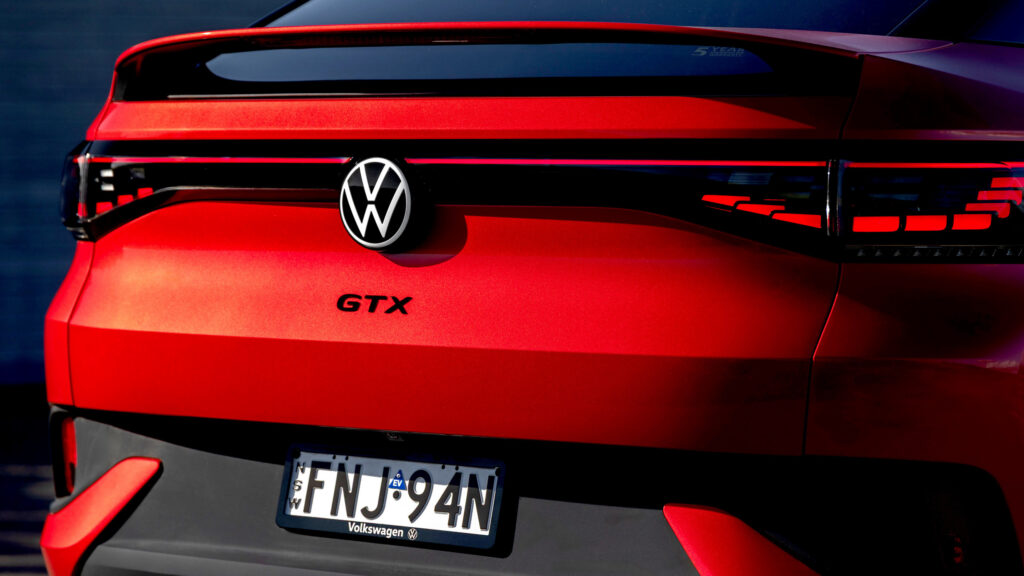
Safe bets are cars that already sell in large volumes. The Polo, Golf, T-Roc, and Tiguan are going nowhere. However, unusual derivative models are a different story: neither the T-Roc Cabriolet nor the ID.5 coupe-SUV can justify themselves anymore.
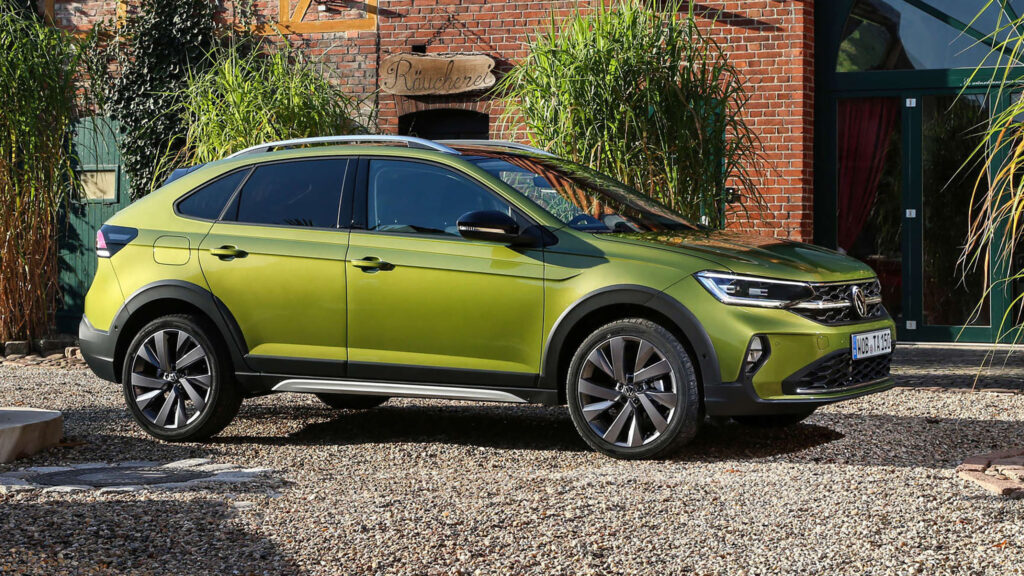
Deeper in the lineup, the Taigo crossover significantly overlaps with the T-Cross, making its position shaky, and dealers report that the petrol Polo is leaving Europe to cede its price niche to the electric ID. Polo. The ID. Buzz is not selling as VW hoped, casting doubt on a second generation after the current one ends. VW’s catalog in China, which expanded for years, will also likely shrink.
Situation with brands: Skoda, Seat, Cupra
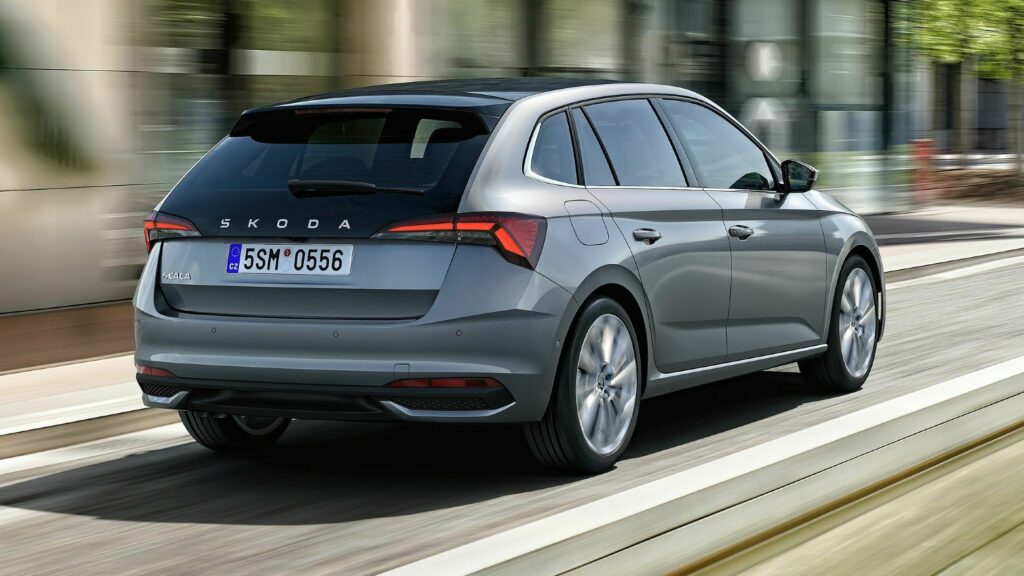
Skoda is likely to emerge from this reduction in good shape, although the slow-selling Scala hatchback has little chance of continuation. Seat seems likely to remain small and cheap, while Cupra will get a larger share thanks to a more expensive, sportier, and more profitable range. If Volkswagen sticks to its strategy, maintaining overlapping Seat and Cupra models will become increasingly difficult, raising the likelihood of an even smaller role for Seat.
Audi: cuts and new priorities
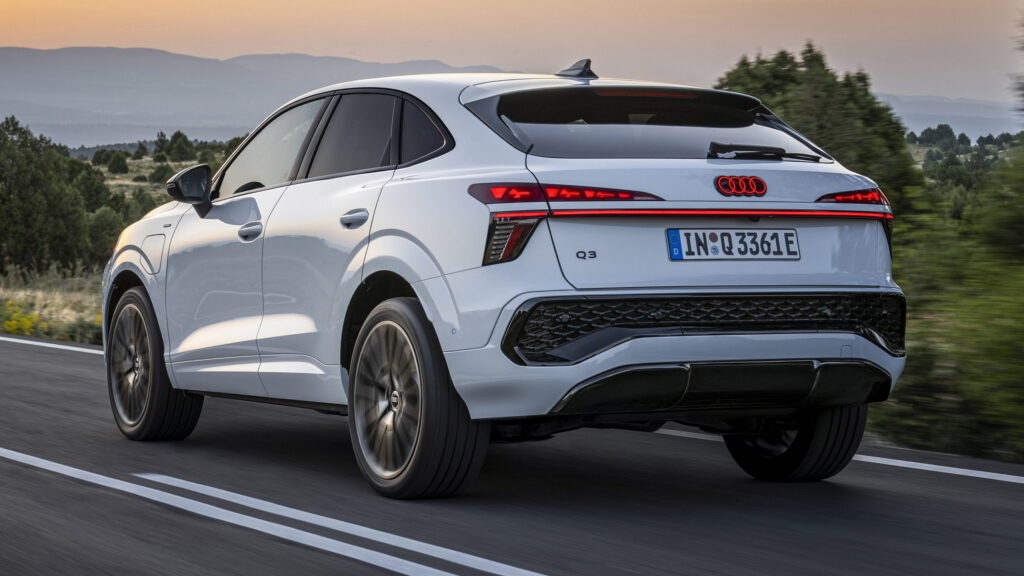
Audi has already dropped the A1 subcompact and the Q2 compact SUV, handing over entry-level duties to the future A2 E-Tron. The push for simplicity may force a review of the Sportback coupe-SUVs, while the flagship A8 appears to be living out its final days. The new Q9 further expands the SUV lineup, which only sets the stage for further cuts.
Porsche: own challenges
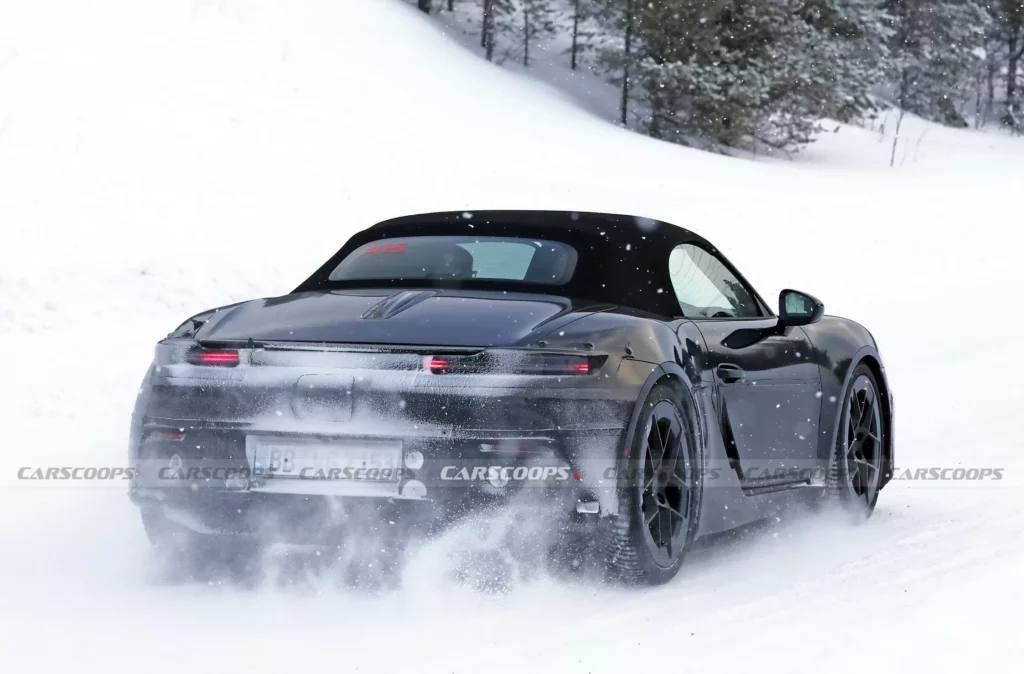
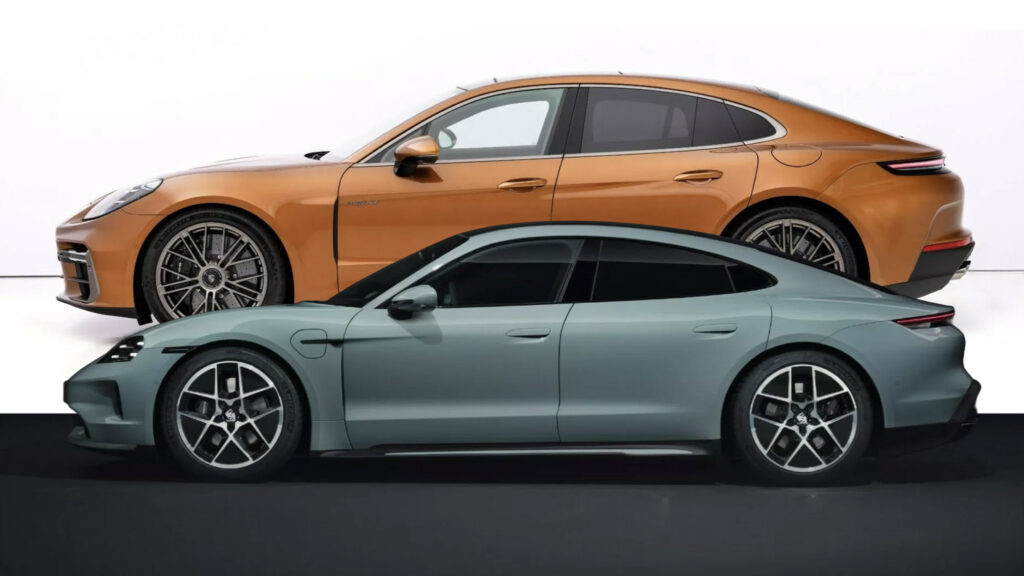
In Stuttgart, the Porsche 911, Cayenne, and Macan model lines are untouchable, but the Taycan and Panamera sedans could eventually merge into one model. Porsche has also outlined plans to reduce the number of variants, with CEO Michael Leiters recently admitting that the model lineup had become too complex.
This puts additional body styles at risk, such as the Taycan Sport Turismo and Cross Turismo, during the next update, similar to how the Panamera estate disappeared. The delayed next-generation 718 could also feel this, although the enormous funds already invested in development make a full discontinuation unlikely. The electric 718, despite delays, is still planned for the end of 2027, with Audi planning to use the platform for a TT replacement.
Lamborghini, Bentley and others
Volkswagen Group’s more premium brands already have a carefully selected set of models, but even they will not remain untouched. Lamborghini recently abandoned plans for its first electric car, while Bentley continues work on its own electric SUV. There have also been reports of a possible sale of Lamborghini and Ducati, and Porsche just sold its stake in Bugatti Rimac.
What VW executives say
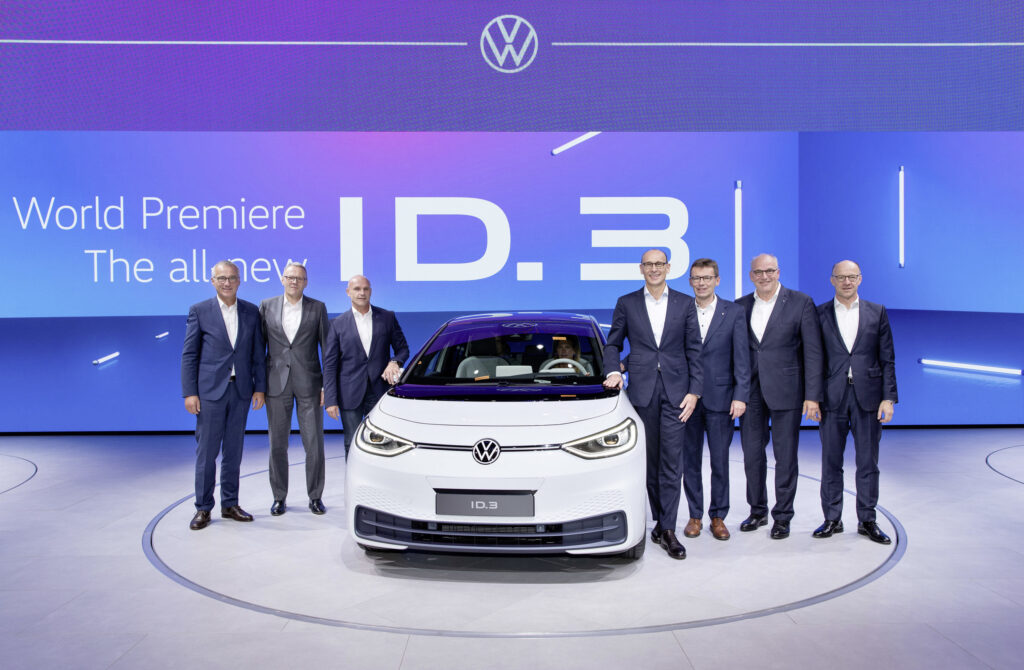
CFO Arno Antlitz explained why previous savings are not enough:
“Despite the progress made, the cost reductions planned to date as part of the agreed programs are insufficient in the current economic and geopolitical environment. Instead, we must fundamentally rebuild our business model and achieve structural, sustainable improvements. This includes improving the cost structure of our vehicles without compromising product quality, significantly reducing overhead costs, increasing the efficiency of our plants, and accelerating technology development and decision-making. We can only achieve this by significantly reducing complexity — in our product portfolio and technology platforms, in the number of divisions and decision-making levels. These areas of action are considered in the plan for the future presented today. Fast and consistent implementation is key.”
CEO Oliver Blume outlined the ultimate goal:
“Our goal is clear: by 2030, we will make the Volkswagen Group the most attractive automotive company in the world — with iconic brands, inspiring products, leading technologies, reliable financial results, reliable capital market performance, and team spirit in action. With our plan for the future, we are moving to the next phase of transformation on our own terms. We are making the Volkswagen Group faster, more resilient, and more competitive: through less complexity, focused technologies, even greater alignment of products, development, and production with regional markets, reduction of excess capacity, an optimized equity portfolio, and significantly more flexible structures. In this way, we are creating the conditions for sustainable success — even in an increasingly demanding environment.”
This plan is the most radical step by the Volkswagen Group in recent decades, indicating a deep crisis in traditional automotive manufacturing. Halving the model lineup and reducing variants by three-quarters is not just optimization but an acknowledgment that the previous strategy of “more models for more buyers” no longer works in the era of electrification and fierce competition, especially from Chinese manufacturers. The potential closure of plants in Germany and the reduction of tens of thousands of jobs could cause significant social and political backlash, but the company’s leadership seems ready to make these sacrifices for survival. Interestingly, even such iconic models as the Porsche Taycan and Panamera could be merged or disappear, highlighting the unprecedented scale of change. The success of this plan will depend on how quickly VW can adapt to new market realities without losing its identity and customer loyalty.