 by
by Increase in Dangerous Hit-and-Runs
Road traffic accidents happen far too often. New analysis indicates the situation is worsening, as more and more drivers involved in accidents choose to flee the scene. The data also suggests that many of those who flee had no legal right to be behind the wheel in the first place. Solving this problem does not seem simple.
Scale of the Problem
According to AAA research, in 2023, 15% of all accidents reported to the police involved a driver who left the scene. This is nearly one in seven accidents, the highest rate in recent years. The consequences can be especially severe for vulnerable road users. The study found that one in four pedestrians killed in an accident was hit by a driver who fled; cyclists face a similar risk.
Reasons Drivers Flee
The research provides new insight into the reasons. For example, most hit-and-run incidents occur under the cover of darkness, when visibility is poor, there are fewer witnesses, and the chances of avoiding responsibility increase. Among those who are eventually found, statistics provide alarming data: a significant proportion of fleeing drivers have no legal basis for driving a car.
Up to 40% of identified drivers in fatal hit-and-run accidents did not have valid driver’s licenses. Furthermore, half were driving vehicles not registered to them.
This suggests that these individuals already feel comfortable breaking the law or operating in a gray area.
Profile of the Offender and Circumstances
AAA also found that most identified drivers who fled the scene of an accident are young men who crashed relatively close to home. This suggests that in many cases, panic is a factor rather than a carefully planned evasion tactic. The accidents themselves often occur in places where pedestrians and cyclists are vulnerable, and drivers may believe they can get away unnoticed.
Paths to a Solution
AAA believes that solving this problem cannot be reduced to one or two new methods. The organization suggests that road cameras and “Yellow Alert” systems (similar to Amber Alerts, but for fatal hit-and-run accidents) could help.
“Reducing hit-and-run crashes will require a multifaceted approach,” said Jake Nelson, AAA director of traffic safety advocacy and research. “Stronger law enforcement, smart use of technology, and public education can collectively change behavior. We already have the tools to make a real difference and save lives.”
It is clear that privacy advocates are unlikely to endorse the idea of more cameras tracking citizens. On the other hand, no one wants drivers who flee accident scenes on the roads, so finding an answer to this question is complex.
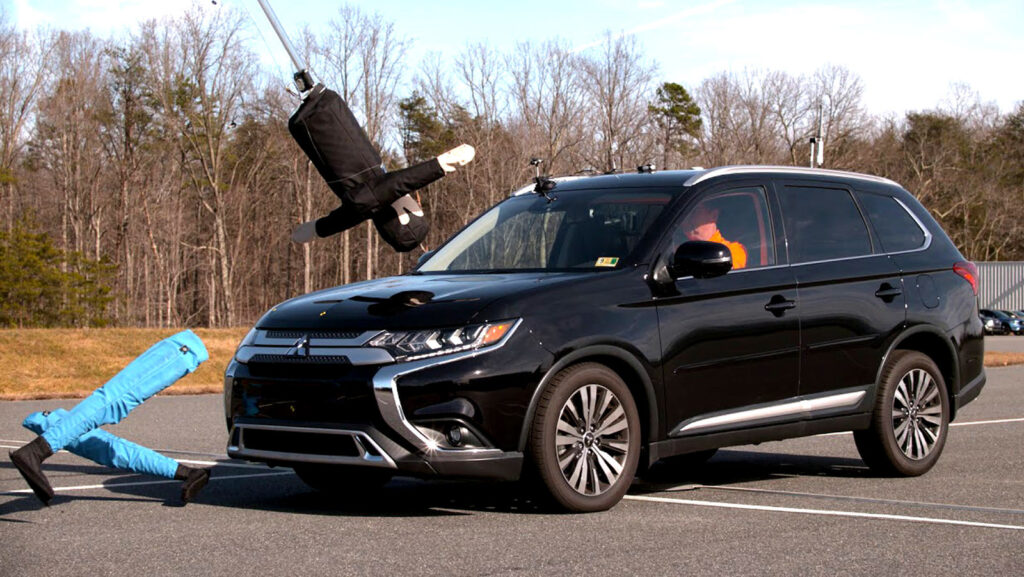
Featured image: IIHS / YouTube
Proposed technological solutions, such as cameras and alert systems, can certainly increase the likelihood of identifying offenders, especially at night. However, they do not eliminate the root cause—the significant proportion of drivers who have no right to be behind the wheel at all due to a lack of license or registration. This points to a broader systemic problem of traffic law enforcement and access to vehicles. An effective strategy likely needs to combine verifying the driver’s legal presence on the road, possibly through advanced digital systems, with social work aimed at reducing the number of people driving outside the legal framework. Panic as a motive also requires attention through education programs that clearly explain the legal and moral consequences of fleeing, especially for young people.