 by
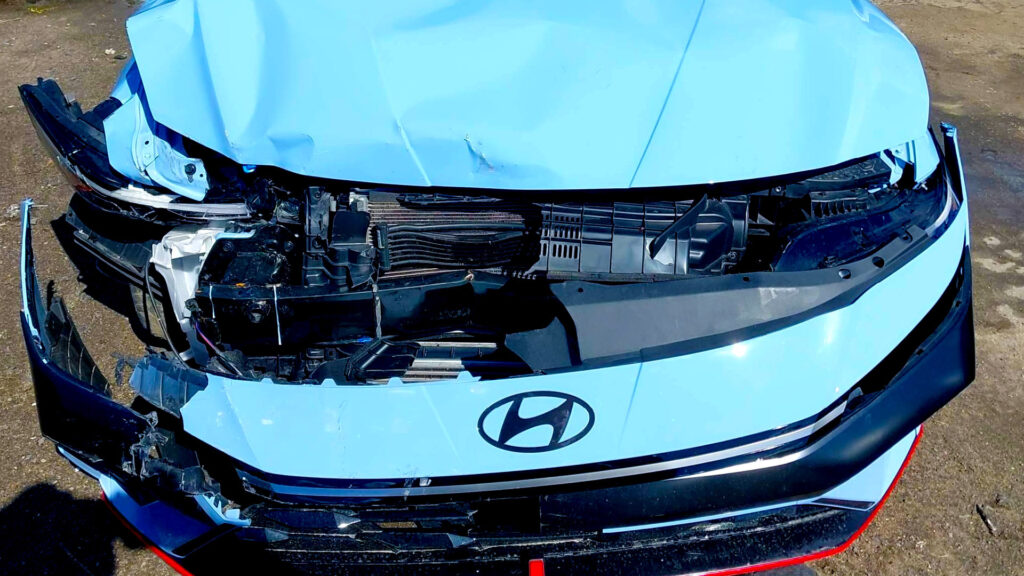
by Automakers often send cars to the crusher. Vehicles that have sustained serious damage, have defects, or are otherwise unsellable often end their lives in a compactor after being written off. Sometimes even rare concept cars or special sports models end up there. But doing this with the very cars that are part of an ongoing lawsuit? That’s a completely different story.
A California lawsuit seeks to ban the sale of Hyundai and Kia over allegations of using child labor.
Court Ruling Against Hyundai
A court in Pennsylvania imposed $9.8 million in sanctions on Hyundai Motor America, finding that the company destroyed vehicles that were key evidence in a dispute with two dealerships. According to the lawsuit, the judge determined that Hyundai “knowingly” allowed the cars to be crushed despite being aware they were part of an active legal proceeding.
The Beginning of the Conflict
This all began in the Court of Common Pleas of Montgomery County, Pennsylvania, and centers on Hyundai’s vehicle buyback program from dealers. Under this program, dealers can receive compensation from the automaker when vehicles become unsellable due to defects, damage, or other unique issues.
Hyundai accused two dealerships of intentionally damaging certain vehicles to then file for compensation. The dealers denied the allegations and challenged Hyundai’s claims in court. Then the situation took a sharp turn.
During the proceedings, the dealers argued that Hyundai destroyed the vehicles at the heart of the dispute before independent experts could examine them. Without access to the cars themselves, the dealers stated they had no opportunity to assess Hyundai’s claims or conduct their own analysis of the damage. The judge evidently agreed.
The $9.8 Million Ruling and the Case’s Future
In the court’s view, Hyundai committed spoliation, i.e., the destruction or failure to preserve relevant evidence. This can obviously undermine a case. The judge believed Hyundai prevented the dealers from gathering their own evidence from the vehicles in question. Consequently, he imposed a $9.8 million sanction on the automaker.
Interestingly, this did not stop the case itself. While Hyundai may appeal the sanctions, it will have to continue proving its case without the evidence it itself destroyed.

This case serves as a stark reminder for large corporations about the importance of adhering to legal procedures and preserving evidence during legal disputes. The court’s ruling in favor of the dealers, despite their smaller size and influence compared to the automaker, indicates that the legal system can provide balance. The further development of this case, especially Hyundai’s ability to prove its case without key physical evidence, will set an important precedent for similar conflicts between manufacturers and their dealer networks worldwide. The financial sanctions are certainly substantial, but the reputational damage from such a court ruling could have longer-lasting consequences for the company’s market image.