
 by
by Hong Kong prepares to ban electric vehicles with only electronic door handles
Electronic door handles have become one of the defining design trends of the electric vehicle era. They look futuristic, slightly reduce aerodynamic drag, and give cars like the Tesla Model S and Model Y their clean, buttonless profile. However, Hong Kong is now signaling its readiness to follow mainland China’s lead and “close the door” on them.
Specifically, local officials say they are preparing to ban new electric vehicles equipped exclusively with electronic door handles. This move comes shortly after mainland China’s decision to require physical mechanical releases on all new vehicles starting in 2027. Although Hong Kong is part of China, it has its own vehicle regulations and legal system under the “one country, two systems” arrangement, so these rules do not automatically apply there.
Position of the Hong Kong authorities
According to the South China Morning Post, Hong Kong’s Secretary for Transport and Logistics, Mabel Chan, stated that the government is studying the recently published mainland standard GB 48001-2026, which focuses specifically on the safety of automotive door handles.
Chan said the Transport Department has already consulted with the industry regarding the adoption of similar local standards and last year reminded importers that all vehicles must have manual door releases.
It is somewhat unclear whether this applies only to electric vehicles, so cars with internal combustion engines may continue to use retractable or electronic handles.
Safety requirements
The rule regarding door handles for electric vehicles will require mechanical door handles both on the outside and inside of future vehicles. The rationale is simple, especially after watching videos of electric vehicles catching fire quickly. Electronic systems can fail after an accident, during a fire, or if the car loses power, which could trap passengers inside or slow down rescuers trying to get in.
Chan noted that the Chinese standard particularly focuses on “addressing issues such as the inability to open door handles after accidents.”
In some vehicles, the emergency mechanical release is hidden, difficult to access, or operates differently than passengers expect in a panic situation. This has become a bigger problem as automakers increasingly replace traditional equipment with electrified systems. Some modern EVs use not only electronic external handles but also electronic interior door-opening buttons, with backup releases hidden in less intuitive locations.
Expert opinion
Ringo Lee Yiu-piu from the Hong Kong and China Automobile Association added that rescuers often still lack an external mechanical way to access the vehicle during emergencies. He also warned that sellers often do not explain how the emergency releases actually work.
Possible global impact
Interestingly, these regulations could have a ripple effect worldwide. Automakers rarely develop door systems specific to a single market if they can avoid it. This means that these rules could eventually affect vehicles sold in Europe, North America, and other regions.
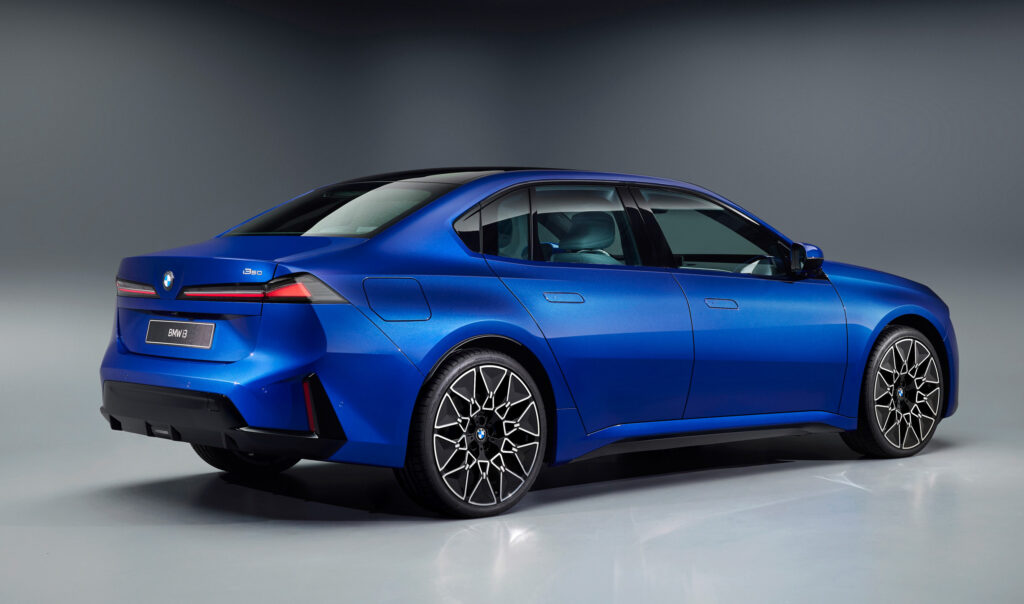
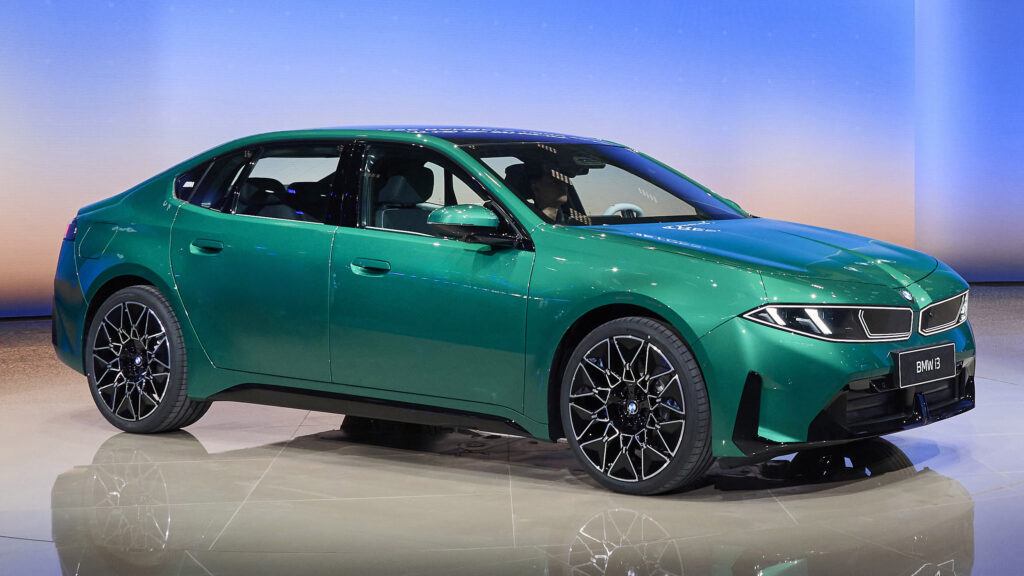
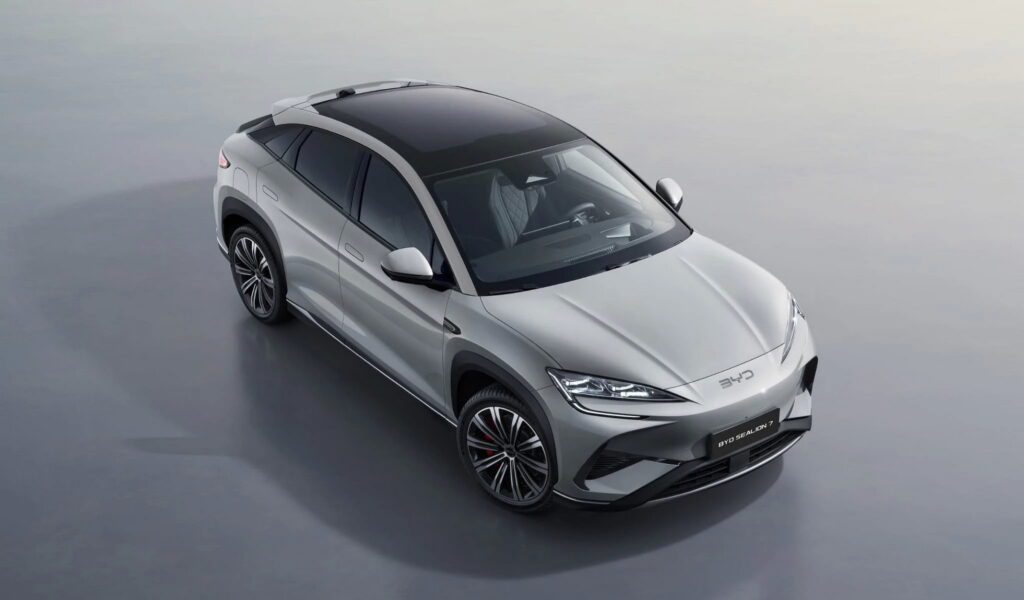
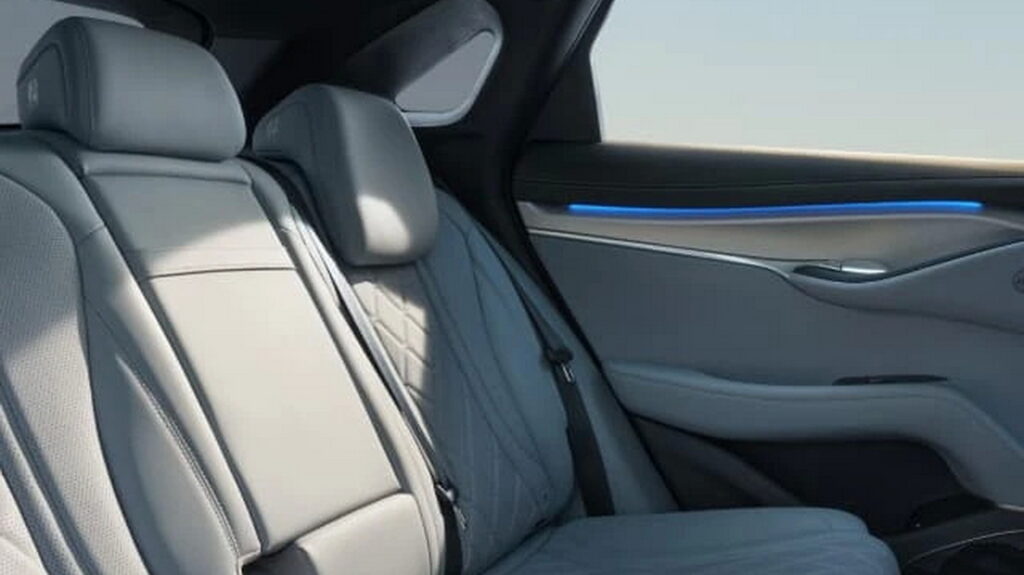
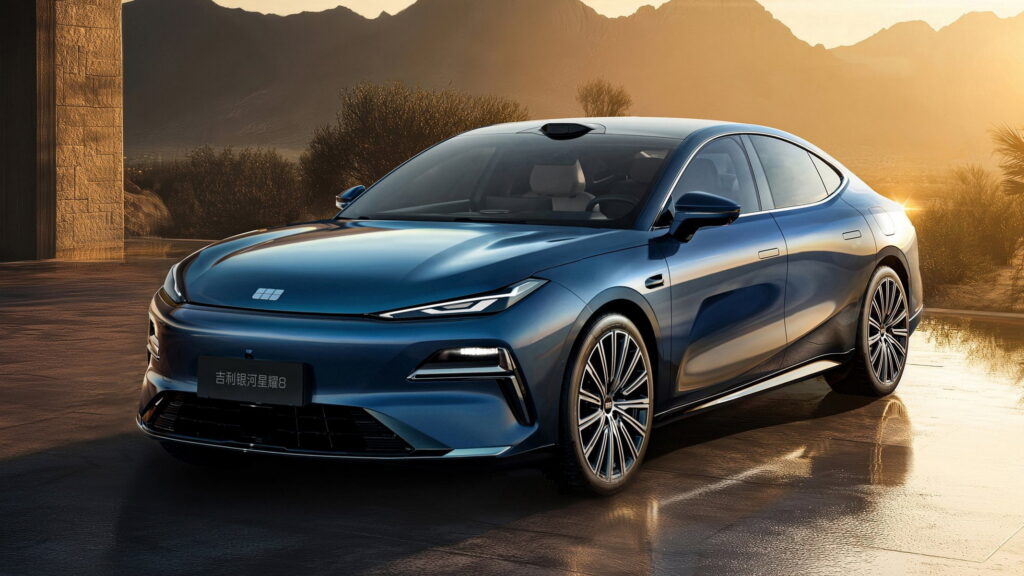
Credit: Geely/BYD
The decision by Hong Kong and mainland China emphasizes a critical shift in automotive safety priorities: from aesthetics and aerodynamics to practical safety in extreme situations. Although electronic handles are a symbol of technological advancement, the real risks associated with their failure during accidents or fires are prompting regulators to act. This also highlights that even in the most modern cars, simple mechanical solutions remain indispensable for saving lives. If other countries follow this example, automakers will have to rethink their design approaches to combine futuristic looks with reliability and safety, which could lead to hybrid solutions where electronics complement rather than replace mechanics.