 by
by U.S. auto industry groups want Trump to keep Chinese cars out of the American market. Trade organizations warn that Chinese automakers threaten national security. The debate grows as EV competition heats up and China dominates global production.
Appeal of the Auto Industry to the Administration
Issues of free trade, national security, and industrial policy have converged in the United States around automobiles. After several years of rapid growth by Chinese automakers, American companies are appealing to President Trump to prevent Chinese cars from entering the country’s market. This applies even to those vehicles that Chinese manufacturers are willing to build directly within the United States itself.
The Alliance for Automotive Innovation, the National Automobile Dealers Association, Autos Drive America, the American Automotive Policy Council, and MEMA, The Vehicle Suppliers Association, recently sent a letter to Trump. These groups represent companies such as General Motors, Ford, Toyota, Volkswagen, Hyundai, and Stellantis, along with thousands of parts suppliers and dealerships.
Arguments Regarding Security and the Market
In the letter, the organizations ask the government to maintain strict rules that would effectively block the sale of most Chinese-made automobiles in the United States. Their primary concern focuses on cybersecurity, specifically a regulation from the Department of Commerce, finalized in 2025, which limits the ability of vehicles connected to China to enter the American market.

Industry leaders argue that this rule must remain in force, citing that China is attempting to dominate global automobile production while simultaneously gaining access to American consumers. The groups also warned the White House not to allow Chinese automakers to circumvent restrictions by building plants in the United States.
According to the letter, the risks remain the same, regardless of whether the cars are imported or assembled domestically, especially if companies remain connected to the Chinese government or supply chains.
The Problem of Connected Cars
One of the main issues is the connected nature of modern cars. Foreign governments have already faced situations where some of their Chinese vehicles had internal emergency kill switches they were unaware of. Local groups do not want to see a similar situation in the USA. While it might seem that a simple solution is to restrict connectivity for any Chinese cars, manufacturers are more afraid of losing market share.
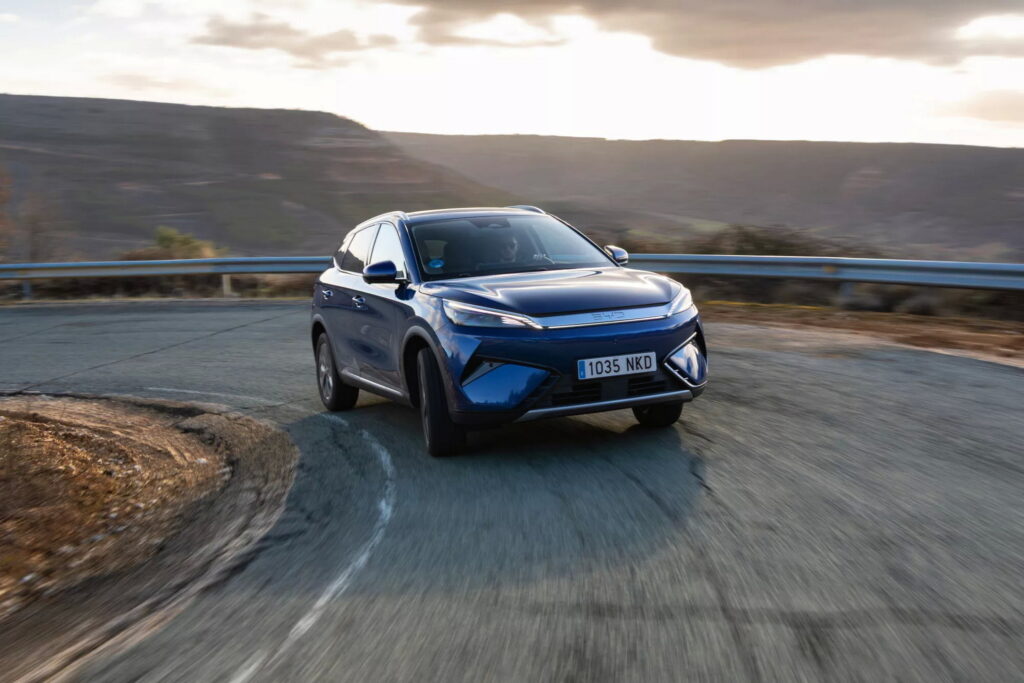
Chinese cars are cheaper, often much better equipped, and rapidly improving. Local automakers will likely spend years trying to catch up, and it is unclear what this could do to the industry as a whole.
Historical Context of Protectionism
As history shows, the USA has avoided a truly free-market approach to protect its automotive industry. The country restricted imports from Japan in the 1980s, pressured Korean automakers in the 1990s, and still restricts many cars from other markets unless they are at least 25 years old. This is not to mention the 25 percent “chicken tax” that helps keep the American pickup truck segment alive.
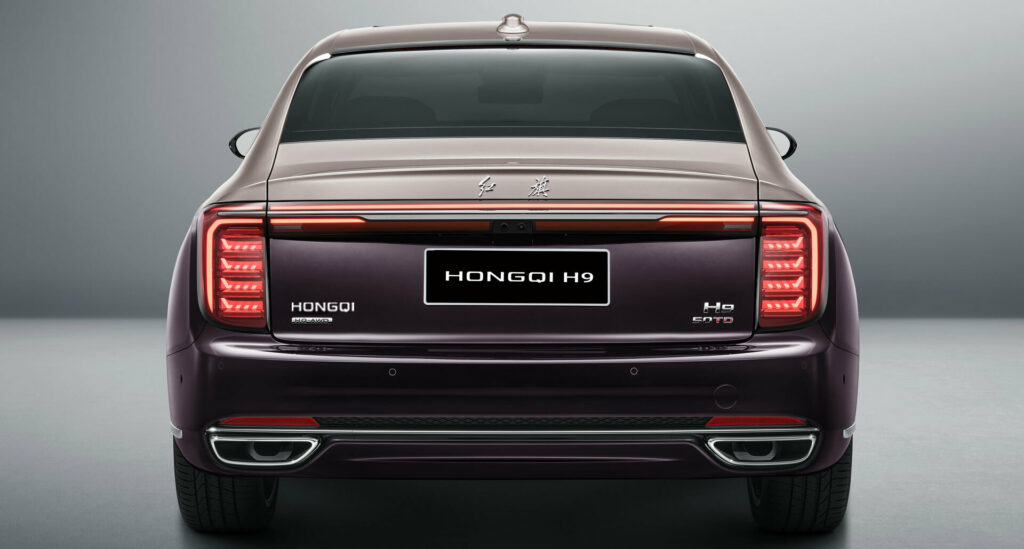
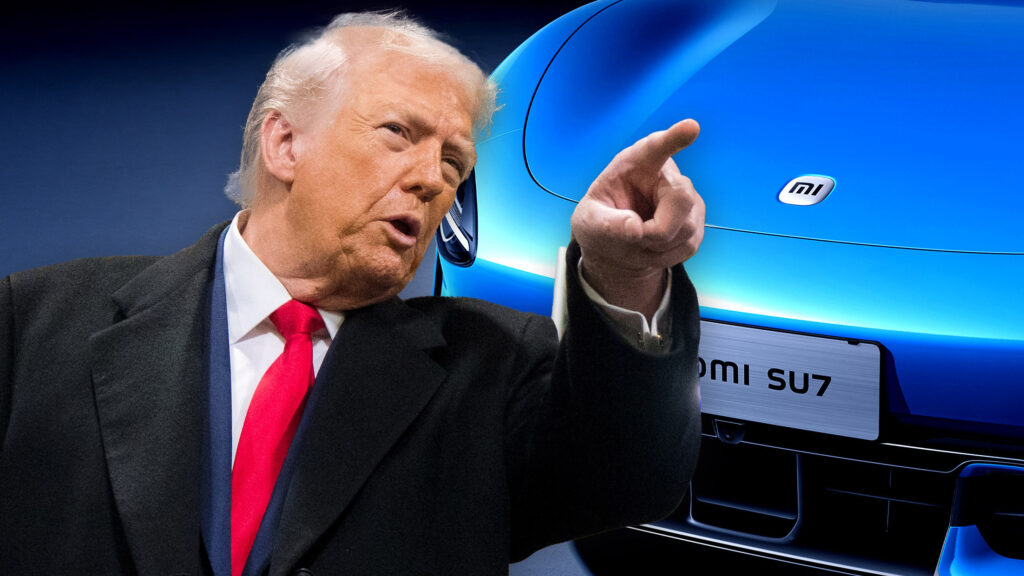
In the end, it will be interesting to observe how Trump handles this pressure. He has already expressed interest in Chinese cars, provided they are manufactured in the USA. This puts the administration in a difficult position as it prepares for high-level negotiations with China later this month.

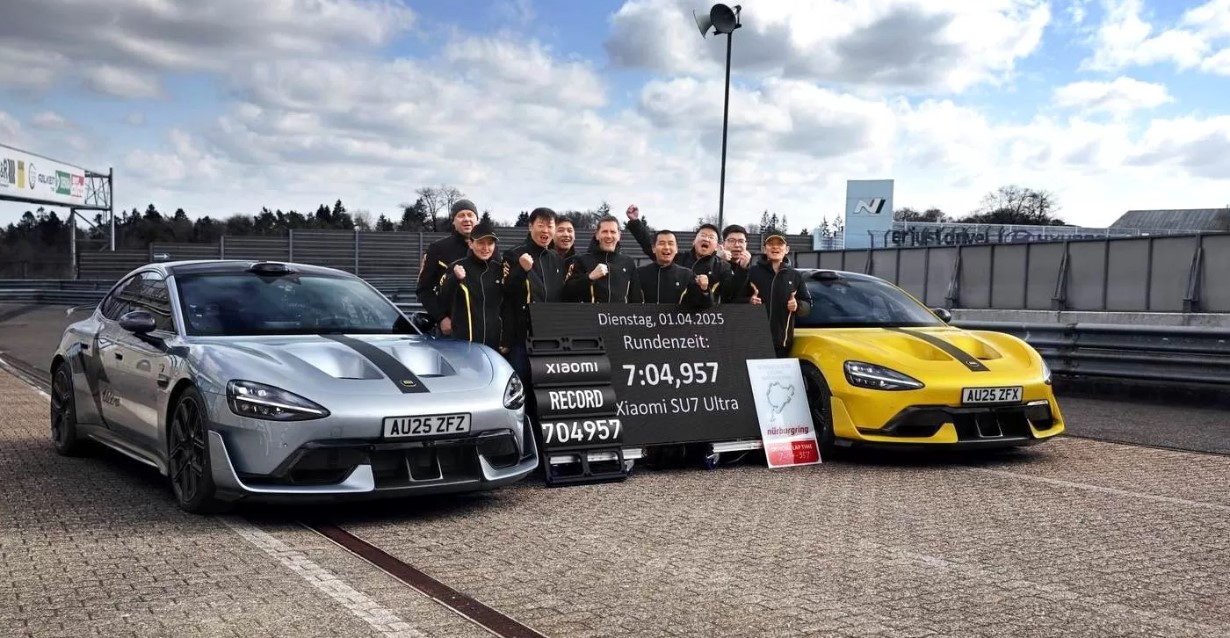
This situation vividly illustrates the global transformation of the automotive industry, where technological leadership and competitive prices combine with geopolitical risks. The position of American automakers reflects not only economic concerns but also a deeper anxiety about dependence on technological supply chains controlled by geopolitical opponents. The success of Chinese brands like BYD or Xiaomi in European markets demonstrates that the question is no longer *if* they will appear in America, but *on what terms* it will happen and what mechanisms for protecting national interests will be deemed legitimate in a world increasingly guided by both market and security considerations.