 by
by Significant Reduction in Speeding Fines in Massachusetts
The Massachusetts State Police issue far fewer speeding tickets than they did ten years ago. At first glance, this is great news for everyone: fewer people are violating the law, the police can focus on more important tasks, and everyone wins.
However, according to public safety organizations, the situation is far from improved. They argue that the state needs enhanced enforcement, particularly in the form of speed cameras.
A Decade-Long Decline in Tickets
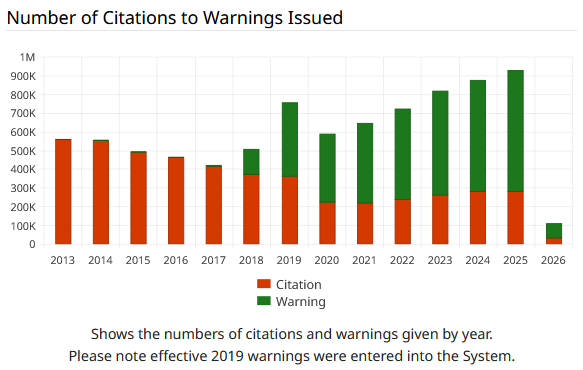
In 2013, Massachusetts police issued 112,503 speeding tickets. This number dropped to 51,101 in 2021 and has since stabilized at around 65,000 per year. In other words, approximately one out of every 75 drivers in the state receives a ticket each year. Clearly, according to activists, this number should be significantly higher.
According to data, many residents believe speeding remains a serious problem. This is pointed out by groups such as MassBike and Massachusetts Families for Safe Streets. They also cite federal Fatality Analysis Reporting System (FARS) data, which shows an increase over the past decade in fatal crashes involving a driver who was speeding.
Nuances in Data Interpretation
The key phrase here is “involving a driver who was speeding.” FARS relies heavily on police reports to determine contributing factors in a crash. This designation can include cases where a driver was traveling above the posted limit, but it can also reflect an officer’s opinion that the speed was “too fast for conditions.” This does not necessarily mean the driver’s speed was measured by a device. This nuance is important when interpreting trends.
Activists also point to observations from cameras on the Massachusetts Turnpike, which show that more than half of drivers exceed the 55 mph limit on a typical weekday. On less congested weekends, this proportion reportedly increases sharply. While this indicates widespread non-compliance, the difference between exceeding the limit by a few mph and traveling at a truly dangerous speed is not always clearly outlined in public discussions.
Despite this, reports often rely on subjective statements like “you see it every day,” and claims that drivers face “no real consequences.”
The Proposed Solution
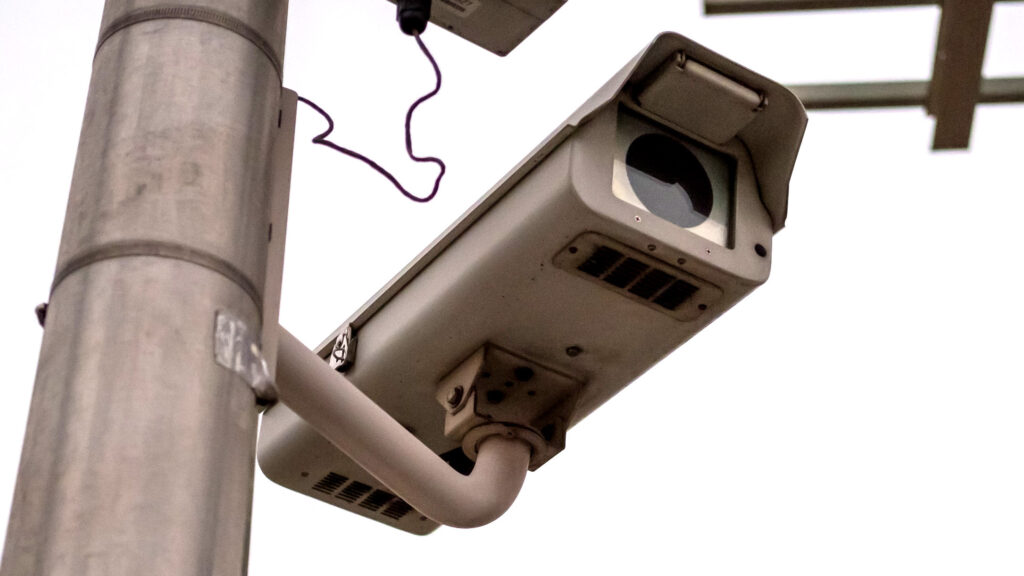
Both MassBike and Massachusetts Families for Safe Streets are lobbying local authorities to pass bills that would pave the way for implementing new speed cameras. Specifically, bills SB 2344 and HB 3754 would allow the use of such cameras on the Massachusetts Turnpike. Fines would range from $25 to $150.
The House of Representatives has not yet taken action on its bill, while the Senate’s Transportation Committee has already endorsed its version.
This discussion reflects the complex balance between public safety, freedom of movement, and law enforcement methods. On one hand, the sharp decline in the number of tickets may indicate a shift in police priorities or methods. On the other hand, fatality statistics and speed observations raise concerns. Implementing automated cameras is often seen as a more objective and consistent method of control, but it also comes with societal debates about privacy and fairness. The success of any initiative will depend not only on technology but also on public trust and a clear justification of its necessity specifically from a safety perspective, not merely as a revenue generator.