 by
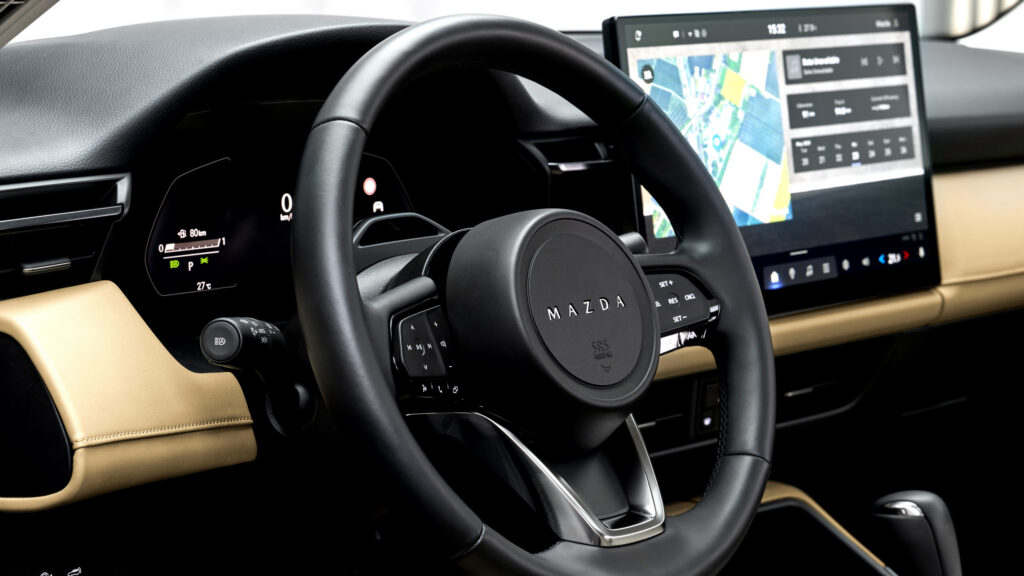
by Mazda is implementing a series of changes in the new CX-5 model aimed at cost optimization under economic pressure. Among them is the switch to angled stitching on the leather steering wheel, which allows for cost savings without a noticeable impact on customer perception.
Savings Details and Resource Reallocation
As explained by Mazda’s CFO, Jeffrey Guyton, traditional straight steering wheel stitching required higher costs, but it turned out that buyers do not place importance on it. At the same time, competitors have long been using angled stitching.
It’s a great attention to detail from Mazda, but when we look at it, our customers don’t value this approach more than competitors’ approaches, but it costs us more money. Our competitors have their stitching at an angle, but the leather is the same.
According to management, the saved funds are redirected to areas where the end consumer will notice them. The change in stitching is just one of numerous cost-cutting initiatives. Another example is the optimization of the car’s steel structure through close collaboration with Nippon Steel.
Technology Updates in the New CX-5
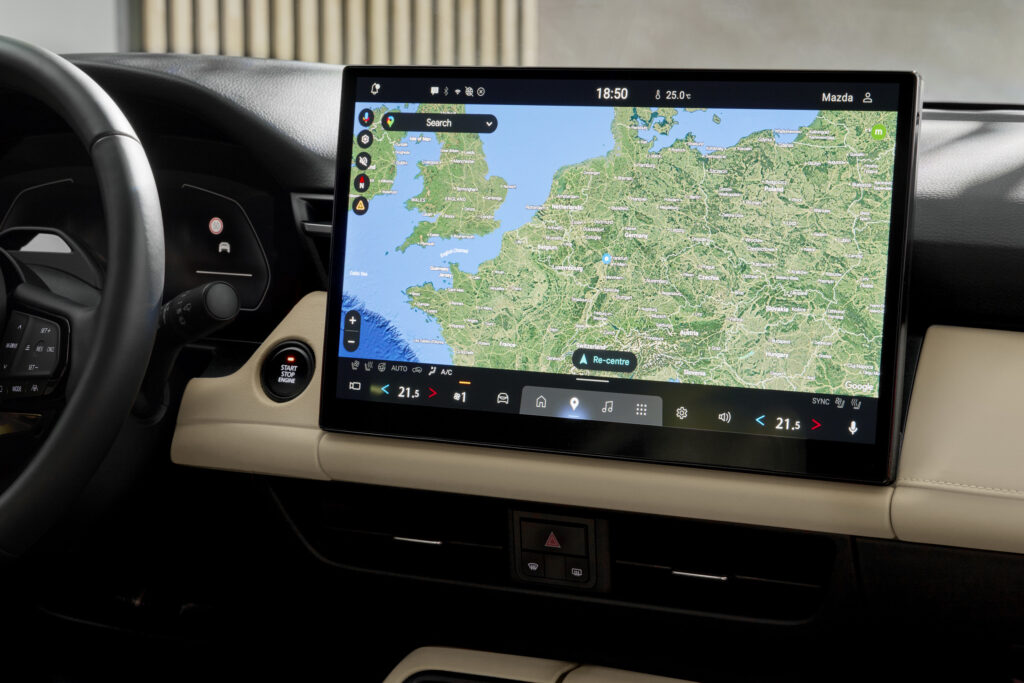
One of the key improvements for buyers will be the updated multimedia system. It has received a significantly larger screen, integration with Google services, and improved voice control.
Production of the new CX-5 for the US market began in January, with a slight delay for additional quality checks. This model is critical for the brand, as it accounts for a quarter of Mazda’s global sales—about 350,000 units in the last financial year.
Our main challenge now is to safely deliver the new CX-5 to customers and to the market so that we can achieve our planned target profit.
New Pricing Policy and Difficult Financial Period
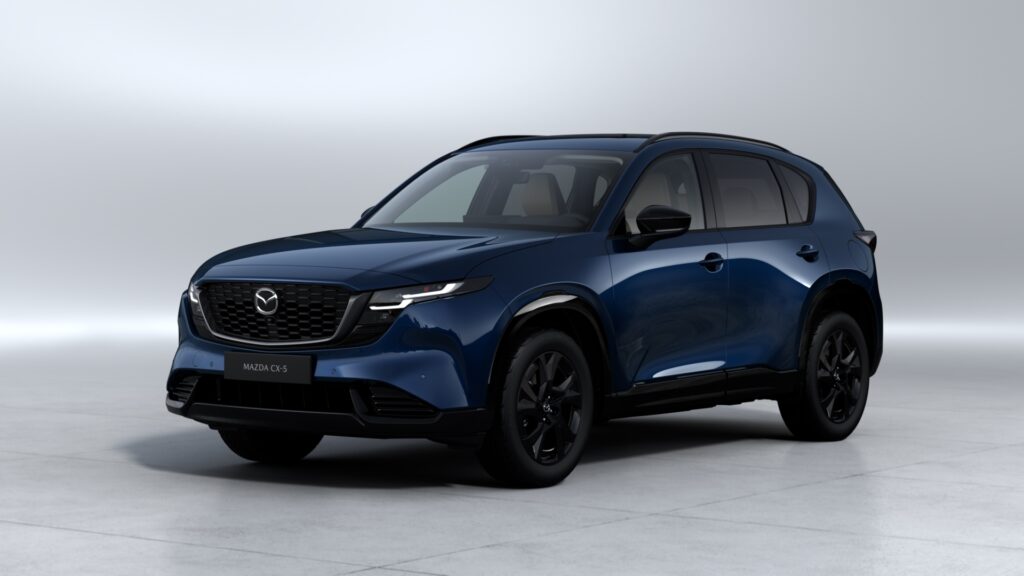
The base 2026 CX-5 2.5 S now costs $29,990, excluding the $1,495 destination fee, which is $940 higher than the previous model. Also available are the following trims:
These changes are taking place against the backdrop of a difficult financial year for Mazda. Operating profit fell by 32% in the quarter ending December 31, and net income decreased by 45%. For the entire financial year ending March 31, the company expects a 73% drop in operating profit. Tariff expenses, forecasted at approximately $1.1 billion, have a significant impact on this.
This data clearly demonstrates how serious the pressure on automakers is in current conditions. Mazda’s decision to focus on optimizing even the smallest costs, such as steering wheel stitching, while investing in customer-noticeable improvements, is a telling example of business strategy adaptation. The success of this approach will depend on whether they can maintain the recognizable level of quality and driving experience always associated with the brand, despite all economic constraints. The future will show whether this balance between savings and value proves to be correct for maintaining buyer loyalty in the long term.