 by
by Mercedes Brings Back Physical Buttons, But Does Not Abandon Enormous Screens
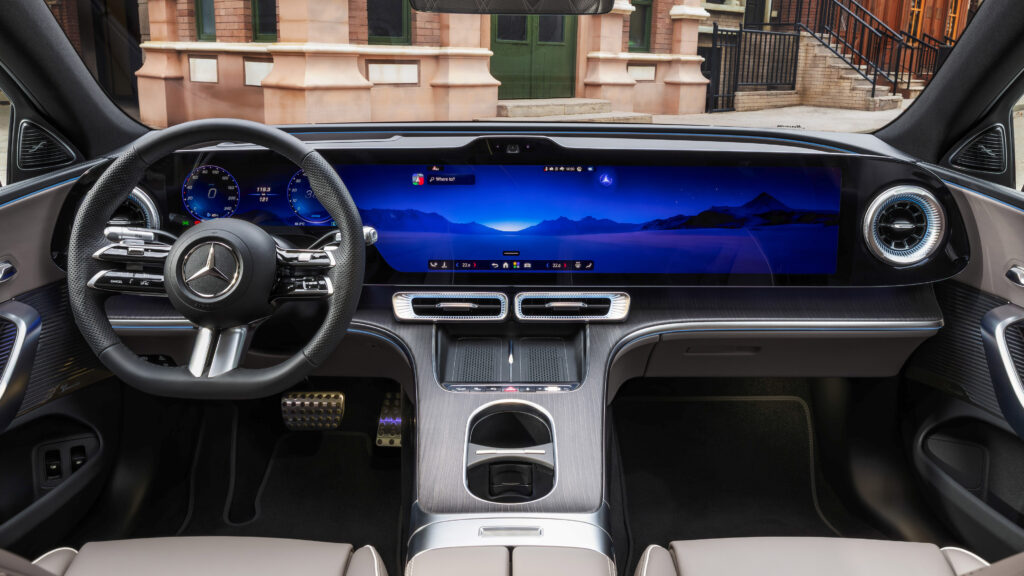
Over the past decade, it has become evident how the automotive industry is moving away from buttons in favor of iPad-sized screens. Many brands, including Mercedes, boast about the number of display inches they offer in certain models.
While enormous screens undoubtedly attract attention, physical buttons have their undeniable advantages. Now Mercedes is doubling down on screens, but at the same time acknowledging this drawback. Buttons will return to the brand’s interior design, yet the screens are not going anywhere, whether anyone likes it or not.
Acknowledgment of Mistakes and Response to Customer Requests
“During our research clinics, customers very clearly state: ‘We love large screens, but we want to have physical controls for certain functions.'” These are the words of Mercedes executive Matthias Geisen in an interview with Autocar. He fully admits that the brand knew about this for about two years.
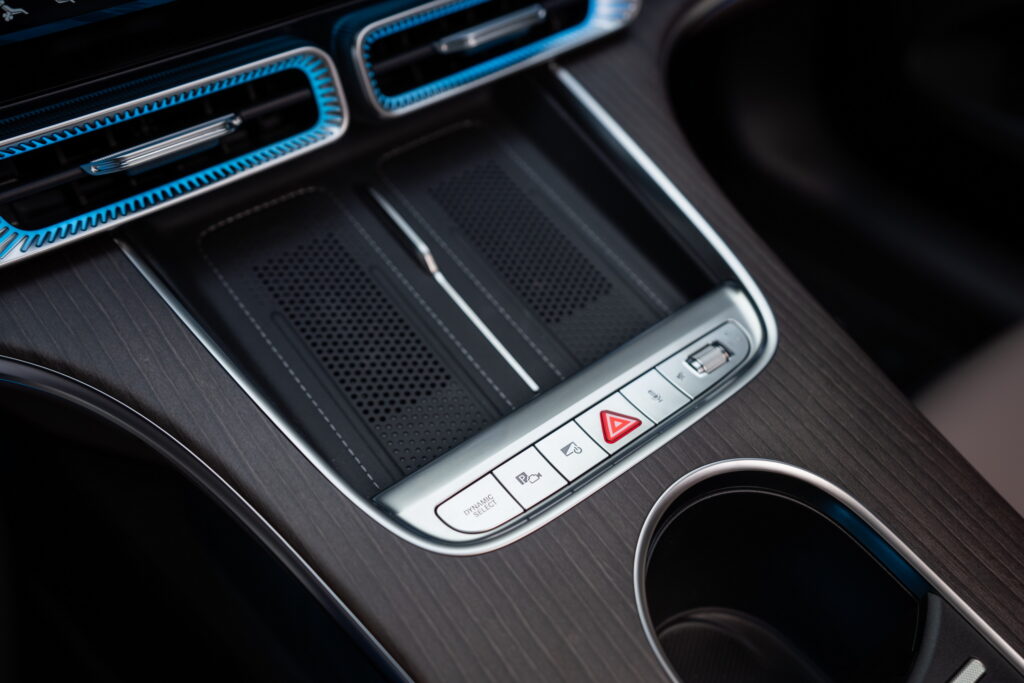
He says: “Customers told us two years ago: ‘Guys, good idea, but it just doesn’t work for us,’ so we changed it and made it more analog.” Specifically, this refers to the return of things like a physical scroll wheel instead of touch sliders on the steering wheel. Importantly, the changes will go far beyond just the steering wheel.
“In our future products, you will see more physical keys for specific functions that customers want to have direct access to. During our research clinics, customers very clearly state: ‘We love large screens, but we want to have physical controls for certain functions,'” he said. Nevertheless, the brand does not intend to abandon the large screens for which it is now so well known.
Screen Flexibility and the Future of Design
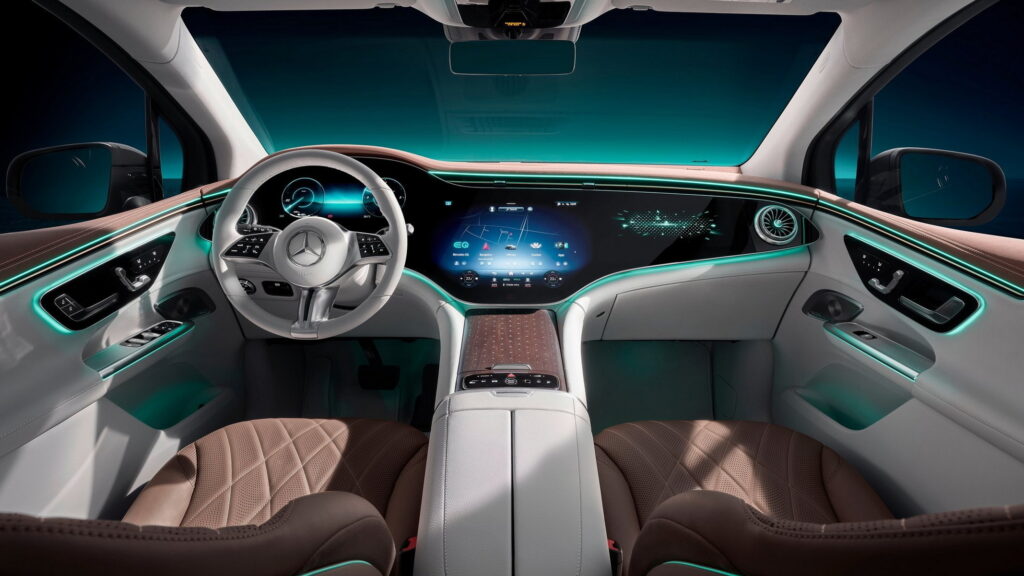
Geisen emphasizes the flexibility of screens, saying that families can customize them, for example, with photos of their children. He compared this approach to smartphones, arguing that while the hardware remains familiar, true differentiation happens behind the screen through software and personalization. Undoubtedly, customization is a key part of automotive culture. However, satisfying controls are also important.
Look at super-luxury brands — physical buttons and switches are ubiquitous there. Even mass-market buyers seem to clearly prefer physical controls over having to use a touchscreen or touch-sensitive buttons. Now, at least in the near future, these types of controls will become a significant part of Mercedes’ interior design.
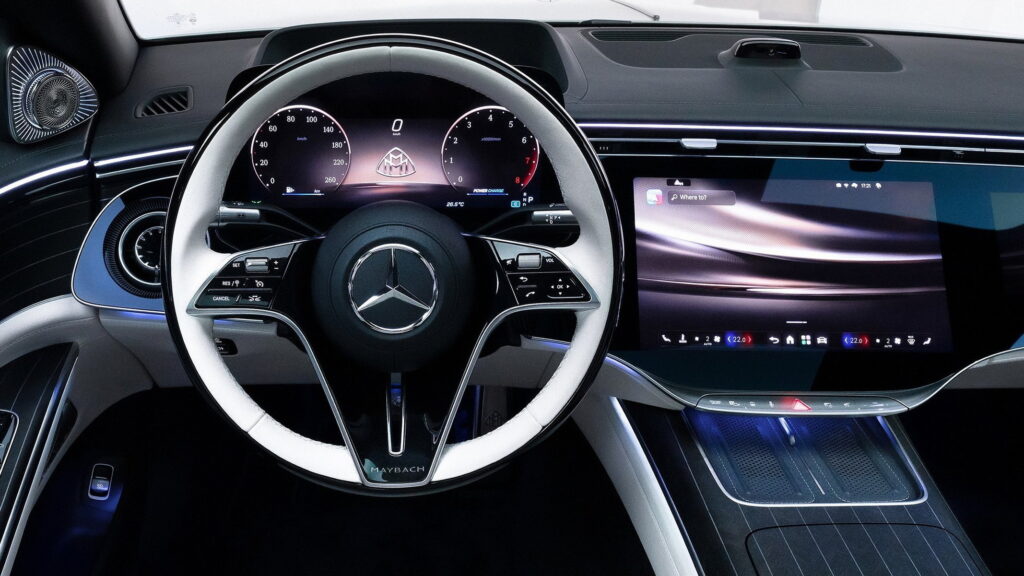
This move by Mercedes is a telling example of how even the most technology-focused automakers are forced to listen to the real needs of drivers. Acknowledging that complaints had been coming in for two years indicates a certain inertia in decision-making, but also a readiness for change. The return of physical buttons for key functions, such as volume control or climate control, could become a compromise that satisfies both fans of modern technology and those who value tactile feedback and safe operation without distraction from the road. This is not a rejection of the future, but rather a sensible adjustment to it, where large displays serve as an information center, and physical controls take over the most important and most frequently used functions.