 by
by Bankruptcy of a Technology Leader
Less than a month after losing a key contract with Volvo, Luminar, once considered a leader in commercializing LiDAR technology, filed for bankruptcy. This marks a sharp turn in the fate of this high-profile technology firm.
The company’s sudden decline came after founder Austin Russell stepped down as CEO seven months ago. This is happening five years after Luminar went public with a valuation of over $3 billion.
Financial Parameters of the Case
Earlier this week, the company filed for Chapter 11 bankruptcy protection in the Southern District of Texas. Court documents show that Luminar’s assets range from $100 to $500 million, while its liabilities range from $500 million to $1 billion.
Plans for Business Sale
As part of the bankruptcy process, Luminar intends to sell its LiDAR manufacturing business. An agreement for the sale of the Luminar Semiconductor subsidiary already exists, valued at $110 million in cash.
After a thorough review of our alternatives, the board of directors determined that a court-supervised sale process is the best path forward. As we go through this process, our top priority is to continue providing the same quality, reliability, and service that our customers expect.

Continuation of Operations
Interestingly, Luminar states its intention to continue operating its business and supplying LiDAR hardware and software to customers during the bankruptcy. The company will also continue to pay salaries and provide benefits to employees.
Over the past six months, we have taken significant steps to enhance operational discipline, optimize our cost structure, and clarify our strategic direction, but our legacy debt obligations and the pace of industry technology adoption have created challenges for our ability to operate the business in a sustainable manner.
Background: The Volvo Deal Breakdown
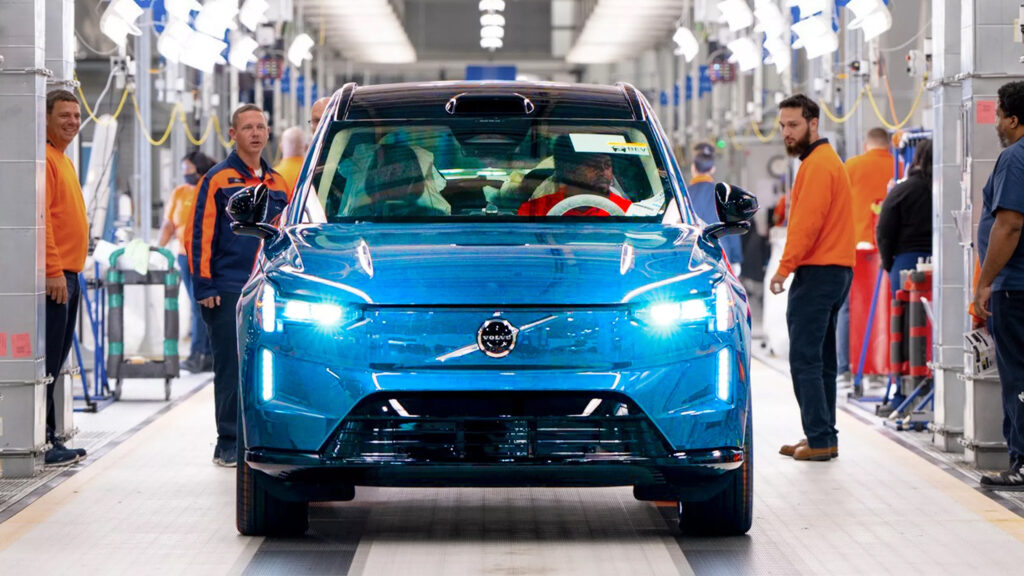
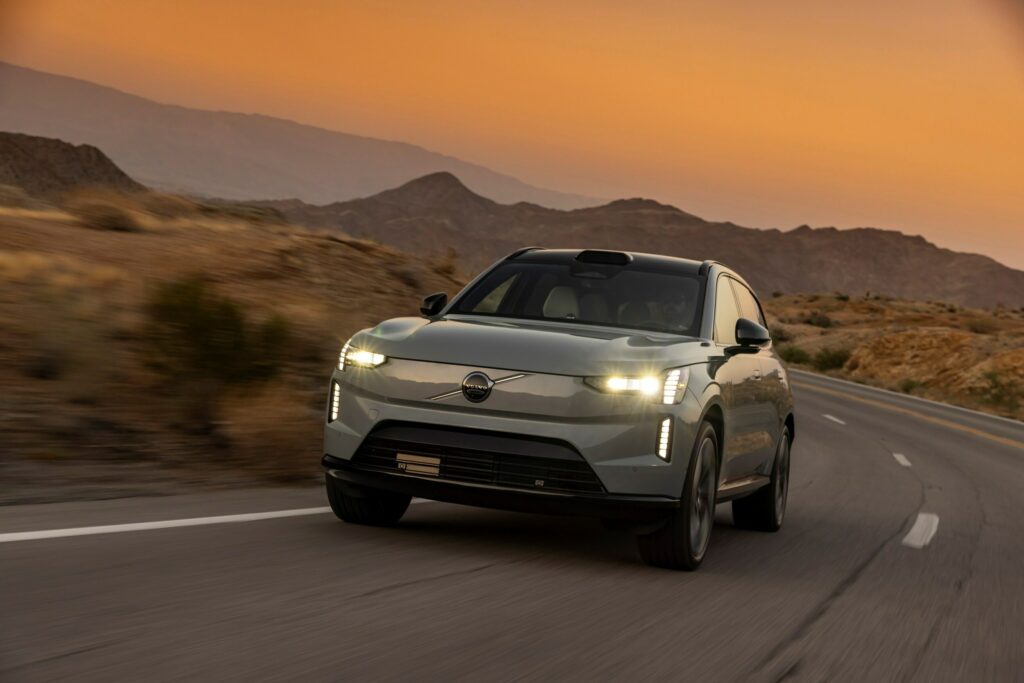
In November, Volvo unexpectedly announced that the 2026 ES90 and EX90 models would no longer be offered with a LiDAR sensor. The decision was explained by customer demand and “limited LiDAR equipment supply.” Volvo also stated that Luminar had failed to meet its contractual obligations.
This situation with Luminar vividly illustrates the volatility and high risks in the advanced automotive technology market, especially when it comes to expensive equipment like LiDARs. Losing a major contract with a manufacturer that was not only a client but also a strategic partner can be a critical blow to a supplier, even if it is considered a technology leader. The events surrounding Luminar may lead to a reassessment of the timelines for mass adoption of fully autonomous driving and force automakers to seek more cost-effective ways to achieve similar levels of safety. The future will show whether the sale of the unit will mark the beginning of the company’s revival under new management or the end of its story as an independent player in the market.