 by
by Festive lighting on cars can lead to a fine
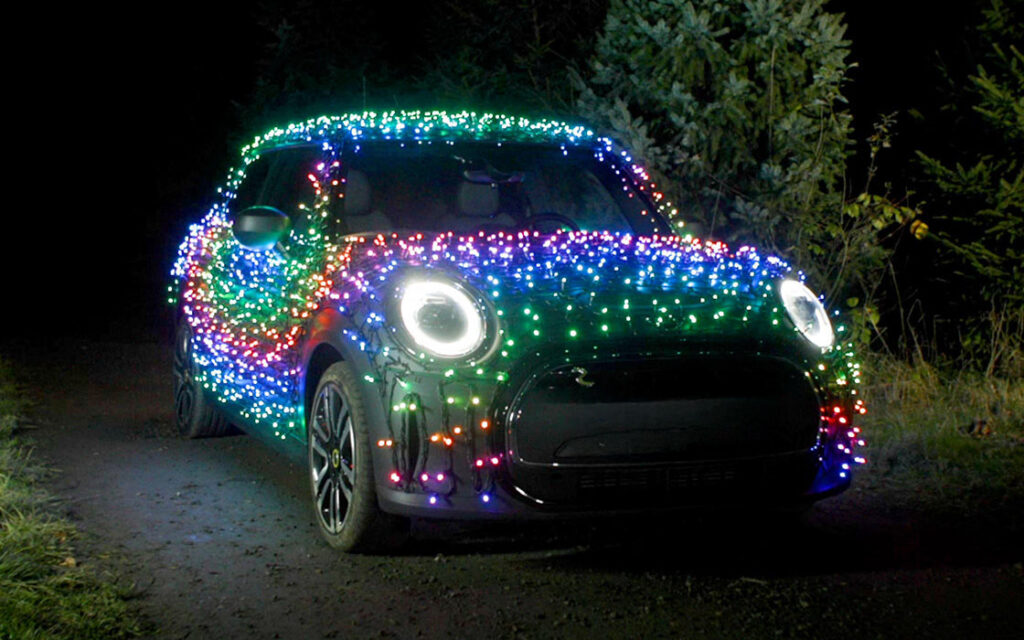
The time of year has come when Christmas lights appear everywhere and often remain until mid-January or even longer. Holiday decorations move from houses to yards, and sometimes even onto the road. For some drivers, hanging festive lights on their car might seem like a fun seasonal activity, another way to spread joy.
However, before turning your vehicle into a mobile decoration, it’s worth thinking twice. The Kansas State Patrol has a very different opinion on such modifications, issuing an important warning. Cars decorated with Christmas lights are not only in poor taste but also illegal, and patrol officers will stop you for it.
Can the lights be turned on?
As reported by KHP Public Information Officer Tod Hileman, this rule is not new at all. A safety rule that has been in effect in Kansas for decades clearly defines how many lights can be on a vehicle, where they can be located, at what height, and what colors they can be.
It is worth noting that most states have similar legislation to control such things, so drivers across the United States should take note.
The problem is that if people start hanging all these Christmas lights on their cars, what’s to stop someone from installing, for example, red and blue flashing lights on their car. And for most people, that would mean it’s a law enforcement or emergency services vehicle.
In other words, the law is designed to make it easier for drivers to distinguish between ordinary vehicles and emergency vehicles.
Fines, exceptions, and one loophole
The law in Kansas treats Christmas lights on a car as a moving hazard, so violators can expect a fine of approximately $75 per violation. The restriction applies specifically to vehicles on public roads, but there is one interesting exception. If the vehicle is part of a parade, the law permits such lighting.
There is a statute in the state laws that talks about parades and what can be done in a parade.
The State Patrol also noted that lighting rules help deter people who intentionally try to imitate emergency vehicles, something every state has dealt with at some point.
When decorations leave marks
Beyond the legal consequences, there is also the practical question of how exactly these lights are attached to the car. Adhesive mounts, tape, suction cups, and plastic ties may seem fairly harmless, but depending on the car’s paint or finish, they can leave scratches, scuffs, or worse, especially when removed in cold weather.
And if you’re thinking about running wires through a window or routing wiring through moving panels, you might create problems for yourself with future repairs that won’t be covered by the holiday spirit.
This situation clearly demonstrates the conflict between people’s desire to create a festive atmosphere and the need to ensure road safety. Laws regulating external vehicle lighting are often perceived as bureaucratic, but their main purpose is to prevent confusion that could lead to accidents or hinder the work of emergency services. Similar rules exist not only in the USA but also in many other countries where road safety is a priority. It is also a reminder that even the most innocent-looking car modifications can have legal and financial consequences that are worth knowing about in advance.