 by
by Overview of the Stellantis Hands-Free Active Driving Assist system
When it comes to semi-autonomous driving systems, Tesla Full-Self Driving, GM Super Cruise, or Ford Blue Cruise come to mind. However, there are other options besides these well-known systems. Stellantis launched its Hands-Free Active Driving Assist system a few years ago, but it remains relatively unknown.
This is partly because Hands-Free Active Driving Assist is only available on a few models, particularly the Grand Cherokee and Ram 1500. This is unfortunate, because after hundreds of miles of hands-free driving, it becomes clear that the system works surprisingly well.
How it works
Like other level 2 semi-autonomous driving systems, Hands-Free Active Driving Assist uses cameras, sensors, and radar to monitor road markings and the surrounding environment. It also has a driver monitoring camera mounted on the steering wheel, which tracks the driver’s attention while driving.
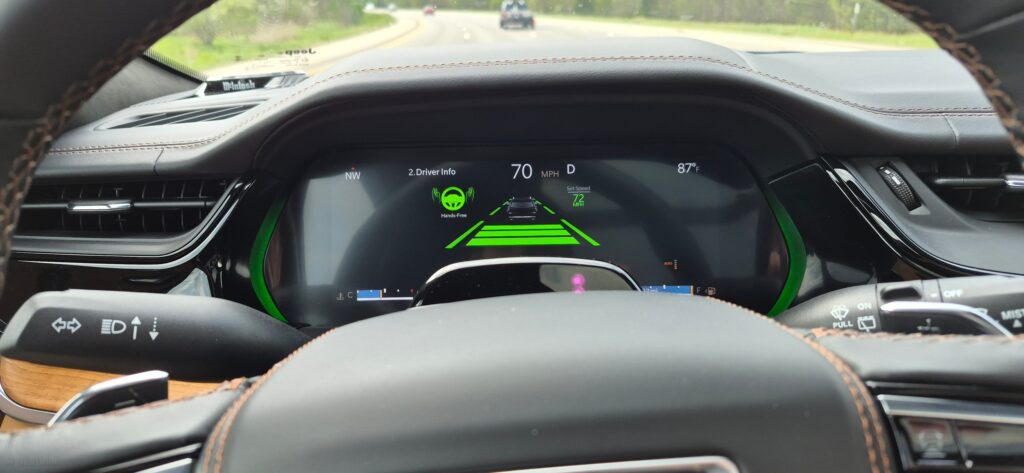
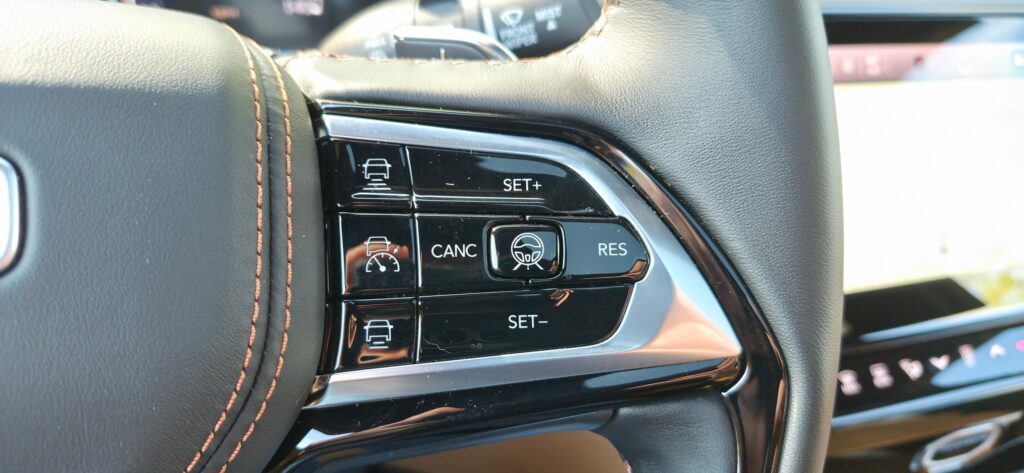
The system operates on over 200,000 miles (321,869 km) of roads in North America. Its use is quite simple: while driving on a highway, press a button on the steering wheel to activate it and set the speed. If you are on a compatible road, the instrument panel and the corresponding icon will turn green.
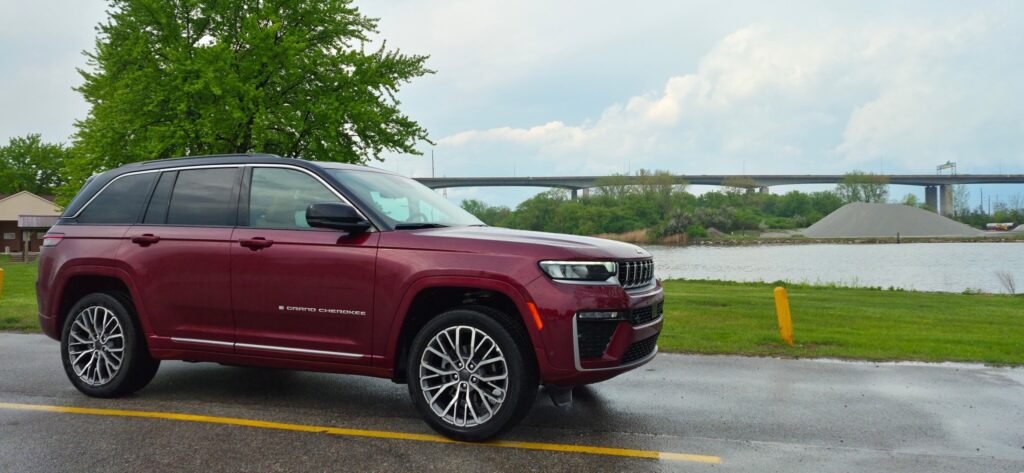
The 2026 Grand Cherokee has several display options on the instrument panel, including one that shows detailed driver assistance information. This option turned out to be the most convenient, as it clearly indicated when the vehicle was operating hands-free. The selected distance and other important information are also displayed.
On-road behavior
During testing, Hands-Free Active Driving Assist kept the Grand Cherokee well centered in the lane and handled gentle curves without issue. The system anticipates turns and can automatically slow down before them. The control is smooth and steady, making long trips more relaxing.
The driver monitoring system allows the driver to look away from the road for about ten seconds. After that, the instrument panel changes color from green to orange, and the seat vibrates. If the driver does not respond, the screen turns red, a warning sounds, and the vibration intensifies.
The monitoring camera easily sees through sunglasses and does not feel intrusive. It serves merely as a gentle reminder to stay attentive.
When approaching a slower vehicle, the system automatically slows down and maintains distance. To overtake, simply activate the turn signal to engage Assisted Lane Change. The system checks the surroundings and, if the lane is clear, smoothly moves the vehicle into the adjacent lane.
Drawbacks and cost
Although the lane change is executed flawlessly, the system seems overly cautious, especially when other vehicles are nearby. In several instances, the Grand Cherokee did not change lanes even though there was enough space, and remained in its lane with the turn signal on.
This is a bit frustrating, but you can easily override the system by slightly turning the steering wheel. After completing the lane change, hands-free control automatically resumes.
During the trip, there were small sections of road where hands-free control was unavailable. The vehicle would warn about this, while maintaining lane centering and adaptive cruise control. The driver only needed to lightly grip the wheel and wait for the next compatible zone.
Overall, Hands-Free Active Driving Assist works well and inspires confidence. The system did not react to sudden maneuvers by other drivers, but sometimes I had to intervene when a slower vehicle abruptly changed into my lane. The Jeep would approach them too quickly, so I manually applied the brakes. Maybe the system would have handled it, but it’s better to be safe.
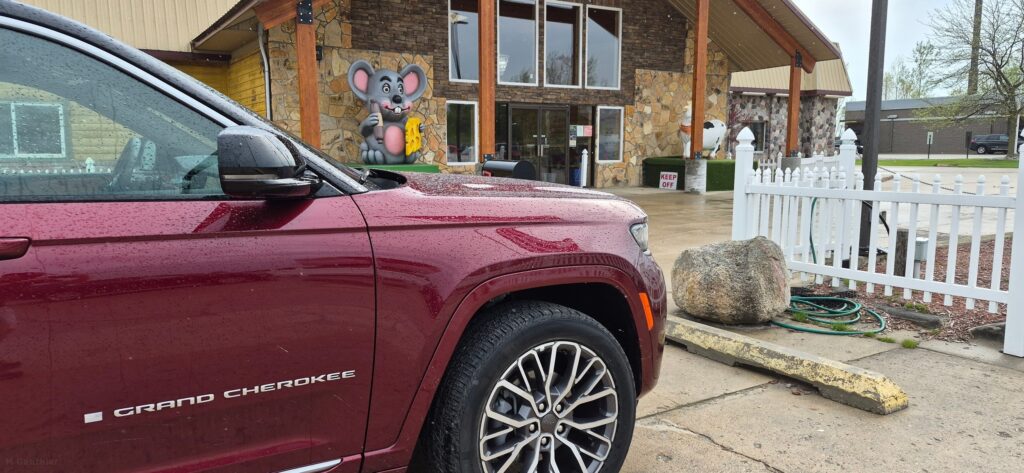
The system has many benefits, but it is not cheap. Its cost on the Grand Cherokee is $2,995, which includes a three-year subscription. Additionally, the technology is only available on higher trims.
This is unfortunate, but Stellantis is looking toward a hands-free future. The company recently announced a new Level 2++ system, which will arrive in 2028 and provide “door-to-door hands-free automated driving on highways and in urban conditions.”
It is worth noting that while the Stellantis Hands-Free Active Driving Assist system shows good results, its caution in some situations can be perceived as a drawback. However, given the company’s plans to introduce more advanced technologies in the future, it can be expected that subsequent generations of systems will be even more confident and convenient. This indicates that Stellantis is serious about competing in the semi-autonomous driving segment, despite current limitations.