 by
by Volkswagen is preparing significant changes for its main compact electric crossover. Instead of a completely new car, the successor to the ID.4 will receive a serious update and a new name that is already well-known to buyers.
New Name and Familiar Design
Volkswagen is not creating an electric SUV from a clean slate. Instead, the company is thoroughly rethinking the existing model, modernizing it. A key step will be using the Tiguan name for the new electric vehicle. This is done to make the brand’s electric lineup appear less technocratic and more similar to the conventional Volkswagen models already familiar to buyers.
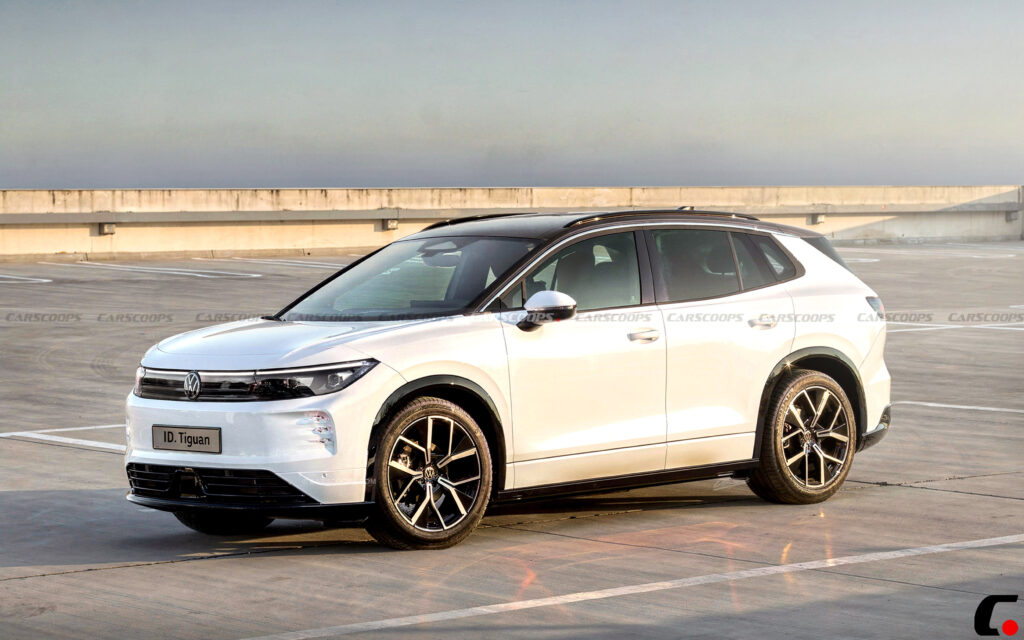
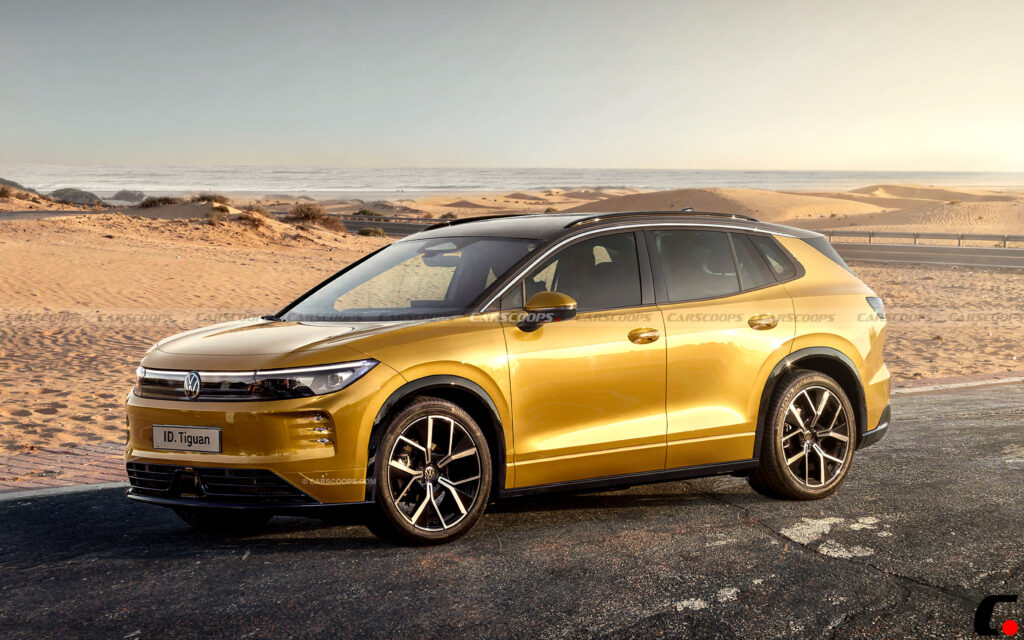
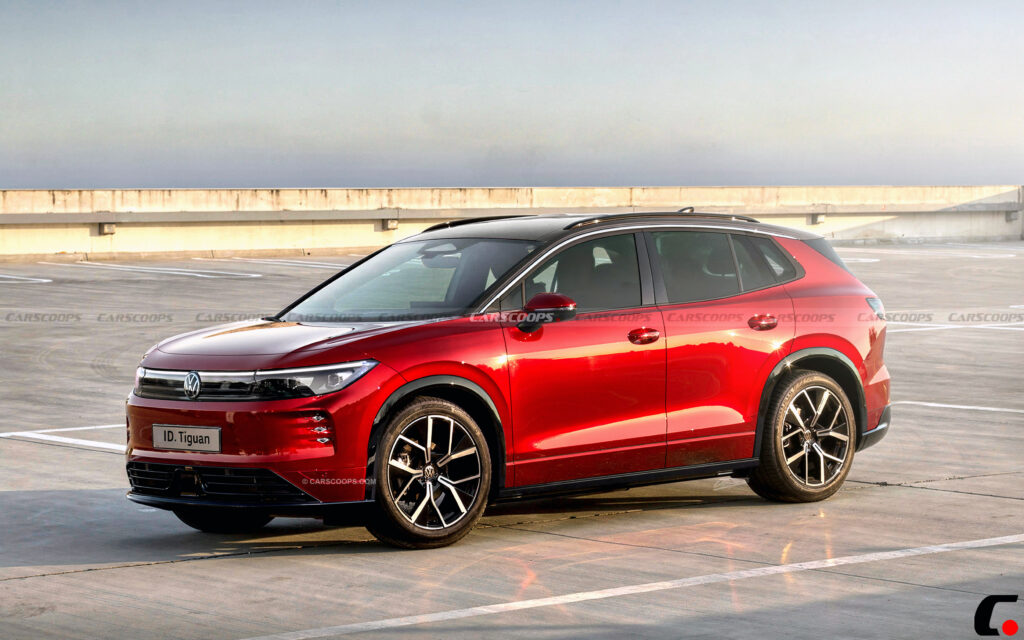
Judging by prototype photos, the new car’s design will become more traditional. Although the electric Tiguan may not generate the same excitement as, for example, the new Mazda CX-6e, it retains the ID.4’s proportions but complements them with more familiar SUV features.
Exterior Updates
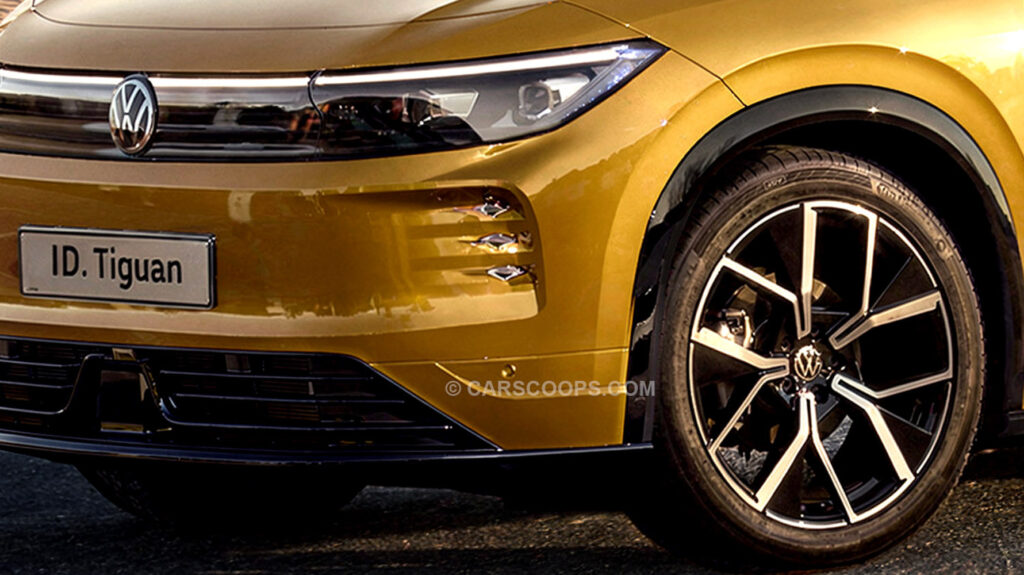
The front of the car will become more square, moving away from rounded shapes. Rectangular LED headlights will be connected by a light strip across the width and an illuminated VW logo. The bumper will become more vertical, with minimal details.
The side will feature a straight shoulder line, updated window graphics, and linear moldings. The roofline will remain almost unchanged, and flush door handles will be replaced with conventional ones. The rear will get a full-width light strip mirroring the front, as well as an updated bumper and a small roof spoiler.
Return of Physical Buttons
The interior will undergo important changes, especially in terms of controls. The annoying touch sliders and haptic feedback buttons from the ID.4 will be removed. The large multimedia system screen will remain, but, as in the new ID. Polo, genuine physical buttons will appear on the steering wheel and for climate control, as well as a volume knob.
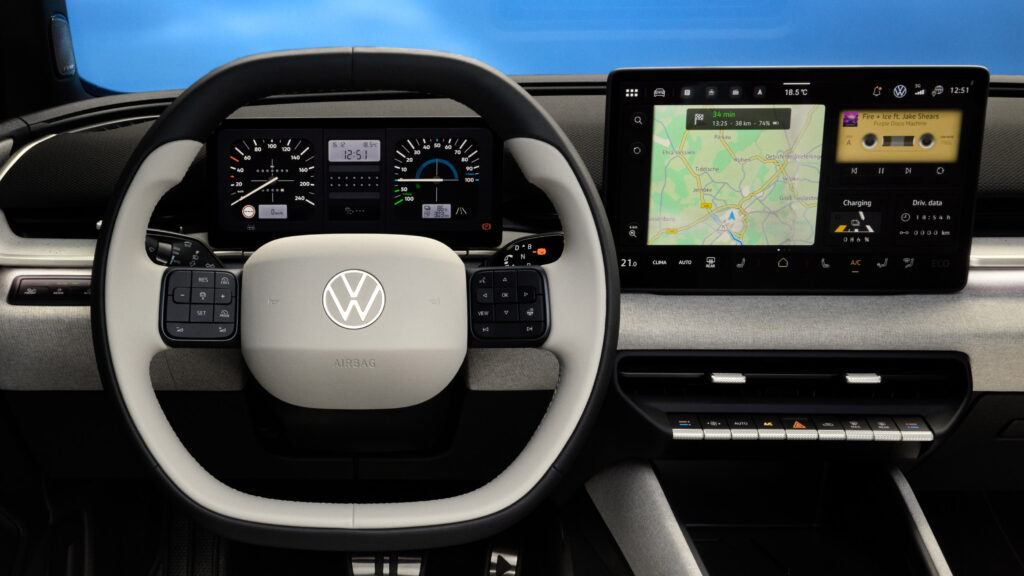
Technological updates will include the integration of artificial intelligence, specifically ChatGPT, conversational voice commands, and other services. Interior trim quality will also improve with more recycled materials and fabric surfaces. Passenger space will remain generous, with sufficient legroom in the rear and a flat floor.
Technical Base and Specifications
The car will continue to use the Volkswagen Group’s modular electric MEB platform, likely in the updated MEB+ version. The overall battery and chassis layout will remain familiar, with a MacPherson strut front suspension and a multi-link rear suspension. Recalibrated driver assistance systems and updated safety features are expected.
Powertrains are expected to be similar to current ones, with minor adjustments. Base variants will remain rear-wheel drive with a single motor producing around 282 hp. All-wheel-drive versions with two motors will develop around 335 hp.
The 400-volt battery system will use LFP batteries with a capacity of approximately 77 to 86 kWh. The stated WLTP range is expected to be between 500 and 550 kilometers. Charging speed on powerful stations will also be improved.
Competitors and Launch Timeline
On the market, the ID. Tiguan will enter an already very saturated segment. Its competitors will include the Tesla Model Y, Ford Mustang Mach-E, Hyundai Ioniq 5, Kia EV6, Skoda Enyaq, Zeekr 7X, and Peugeot e-5008. Volkswagen is expected to unveil the model in 2026, with sales starting in 2027.
Renaming and updating the ID.4 to the ID. Tiguan is a logical step for Volkswagen in the context of brand consolidation. It allows leveraging the strength of a recognizable name, which could simplify the transition of customers from internal combustion engines to electric vehicles. The emphasis on a more familiar design and the return of physical buttons indicate that the company has listened to criticism and aims to create a car that is not only technological but also intuitive and pleasant to use. The success of this strategy will depend on how well it manages to combine new technologies with the classic reliability and comfort for which Volkswagen is valued.