 by
by Flock Safety cameras found themselves at the center of a scandal involving artificial intelligence
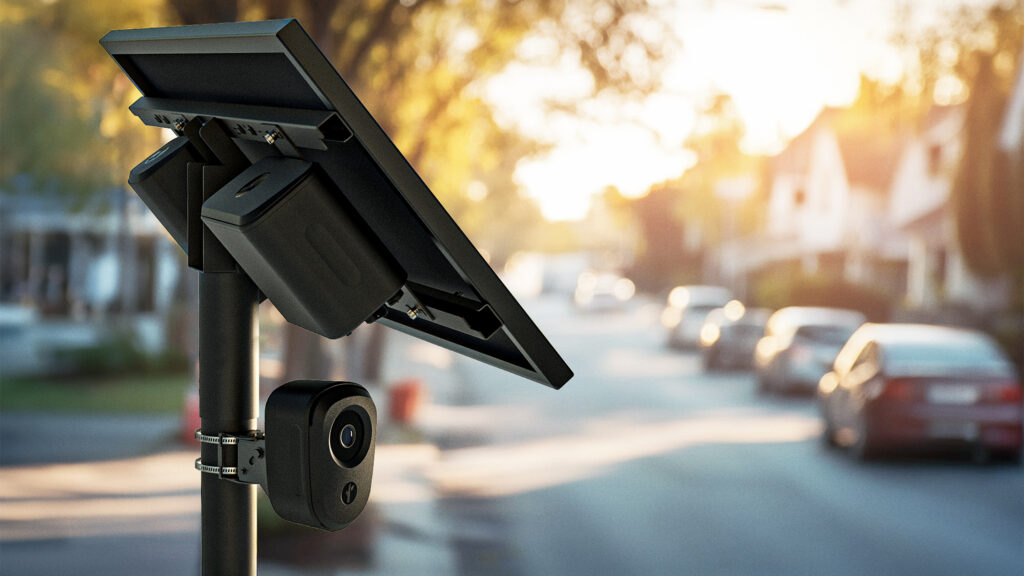
The era of mass surveillance has truly arrived, and largely due to the highly controversial cameras from Flock Safety. These devices, equipped with AI-based license plate readers, are becoming increasingly widespread. At the same time, vandals are increasingly attacking such cameras, and the reasons may not only be related to privacy.
As Futurism reports, Google’s Gemini AI Overviews feature has recently been telling people that Flock cameras are literally stuffed with gold and copper. In reality, these metals are indeed present, but only in trace amounts — just like in any other consumer electronics you can buy in a store.
Until recently, when asked how much gold is in a Flock camera, Google AI confidently answered:
Each camera contains approximately 1 to 5 grams of gold, used in internal circuit boards and wiring.
If that were true, each camera would contain between $140 and $700 worth of gold.
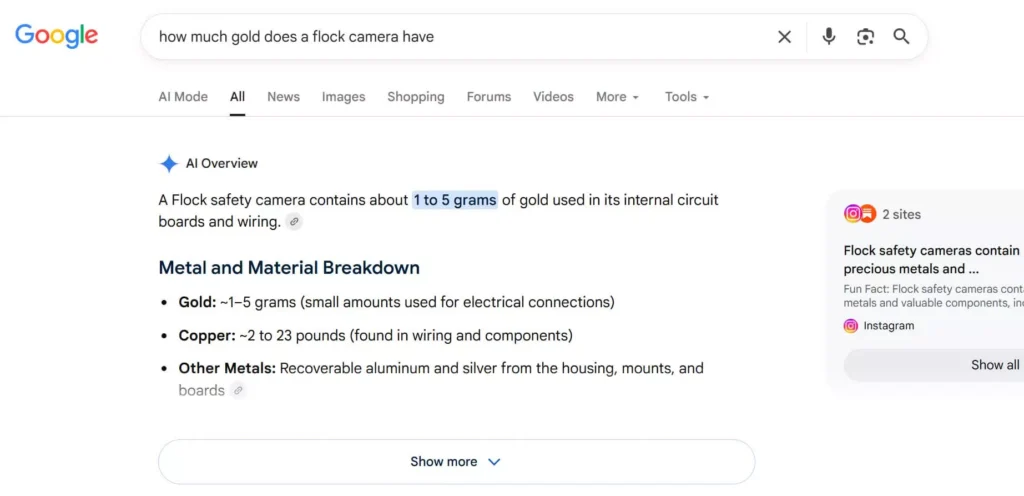
Moreover, AI Overview also claimed that the cameras could contain between two and 23 pounds of copper. As Futurism rightly noted, this is completely absurd, since the camera itself weighs only three pounds.
Where did this information come from in the AI?
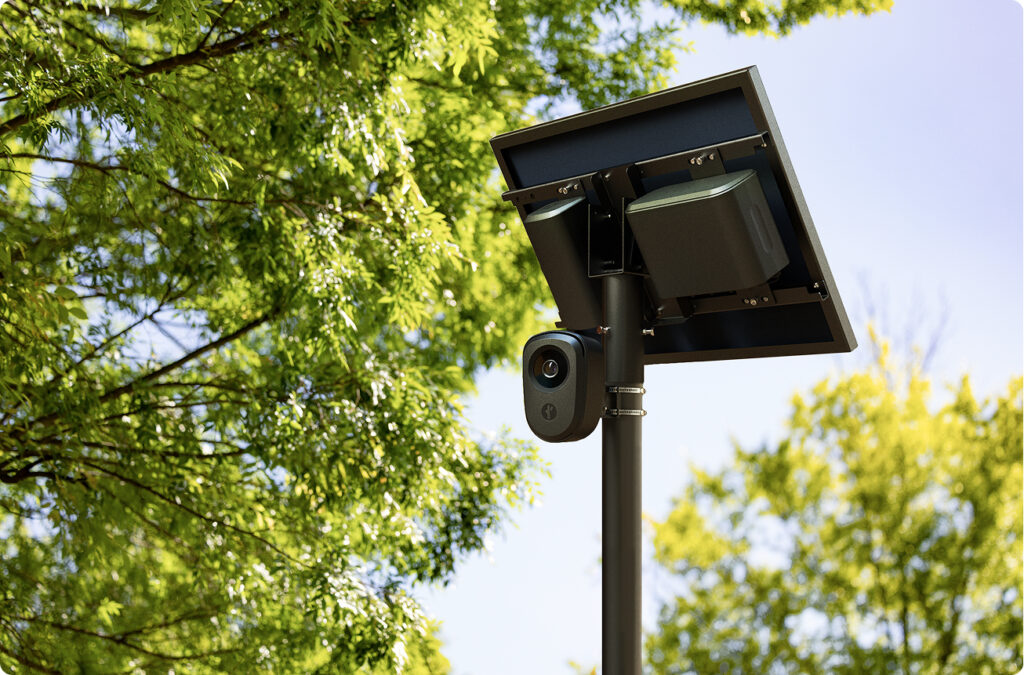
Jokes about Flock cameras supposedly being packed with gold and copper started in online communities discussing privacy. There, people half-seriously discussed these precious metals as another reason to dismantle the cameras. Google AI appears to have believed these discussions and used as sources a random Substack account and a frankly fake image generated by AI on Instagram. These are the sources that described how much gold and copper the cameras supposedly contain.
This situation is an important reminder of how careful one must be when using AI tools for searching information and research. Artificial intelligence can be accurate, but it often outputs unreliable information, citing dubious sources without any verification.
This case demonstrates that even the most advanced algorithms can pick up unverified data from unreliable resources. If a person seriously takes such answers, it can lead to wrong decisions — for example, attempts to disassemble cameras for gold that isn’t actually there. At the same time, Flock cameras themselves continue to be a subject of heated debate, but not because of metals, but because of their impact on privacy and public surveillance.