 by
by Asset auction and unpaid debts
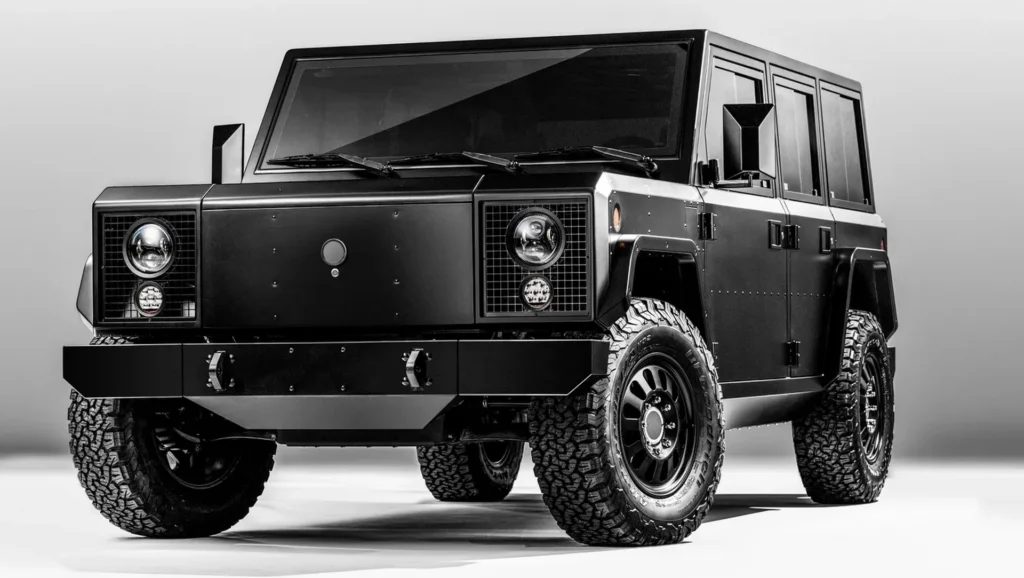
The modern era of electric vehicles gave rise to many new brands, such as Rivian and Lucid, but not all managed to stay afloat. One of the failures was Bollinger Motors, a company that planned to produce utilitarian electric off-road vehicles.
After prolonged difficulties with launching production, last year Bollinger officially merged with California-based Mullen Automotive. However, as it turned out, even this did not save the company. Recently, a US court ordered an auction to sell Bollinger’s assets due to unpaid bills to suppliers.
Bollinger’s key manufacturing equipment will be sold through an online auction. The list will include battery testing and validation systems, vehicle lifts, and tools. Most importantly, 20 units of the Bollinger B4 Class 4 electric truck will be put up for sale, along with other vehicles, workshop equipment, and warehouse inventory.
Investigation and demands for refunds
Bollinger is not only forced to liquidate its assets. The company is also under investigation by the Department of Labor and Economic Opportunity due to dozens of complaints regarding unpaid wages or benefits.
According to Crains Detroit, the Michigan Economic Development Corporation is also demanding the return of approximately $1 million of the $3 million allocated to the company in 2023. At that time, Bollinger claimed it would invest $44 million in the state and create 237 jobs in Detroit.
Return of intellectual property
However, Bollinger may not disappear forever. Last month, the company’s founder and former CEO, Robert Bollinger, bought back the intellectual property and prototypes of the original B1 and B2 electric off-road vehicles for less than $250,000. He managed to recover these important assets after a judge in Ohio placed the company under the control of an external receiver. It is unknown whether Robert Bollinger plans to revive the B1 and B2 models, but he recently told The Detroit News that he believes there is a niche in the EV market for such vehicles.
The situation surrounding Bollinger Motors is a telling example of how fierce the competition is in the electric vehicle industry. Even after securing funding and merging with another company, the startup could not overcome its production and financial difficulties. At the same time, the founder’s buyback of key patents and prototypes leaves a theoretical possibility for the brand’s revival, albeit on a much smaller scale. The story of Bollinger underscores that success in this field requires not only an innovative idea but also a solid financial foundation and effective management.