 by
by Two Paths for a Legend
The next generation of the iconic BMW sports sedan is shaping up as a story of two powertrains. One will be the fully electric iM3, saturated with power and digital simulations. The other, more familiar to purists, is the M3 with an internal combustion engine, which may become the final song for BMW’s fiery inline-six engine. It is on this one that we will now focus.
Under the codename G84, the next M3 borrows the brand’s Neue Klasse design philosophy but raises the stakes thanks to a mild hybrid system.
Based on a combination of early details and our interpretation of recent spy photos, read on to learn everything we know about BMW’s next high-performance sports sedan.
End of the “Kidney” Era
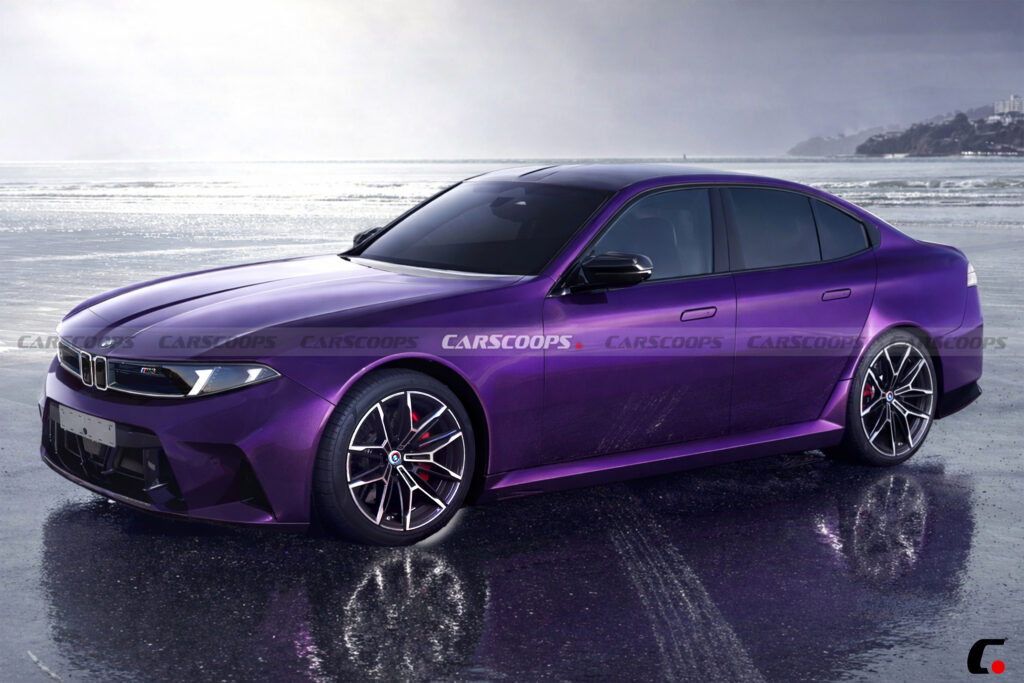
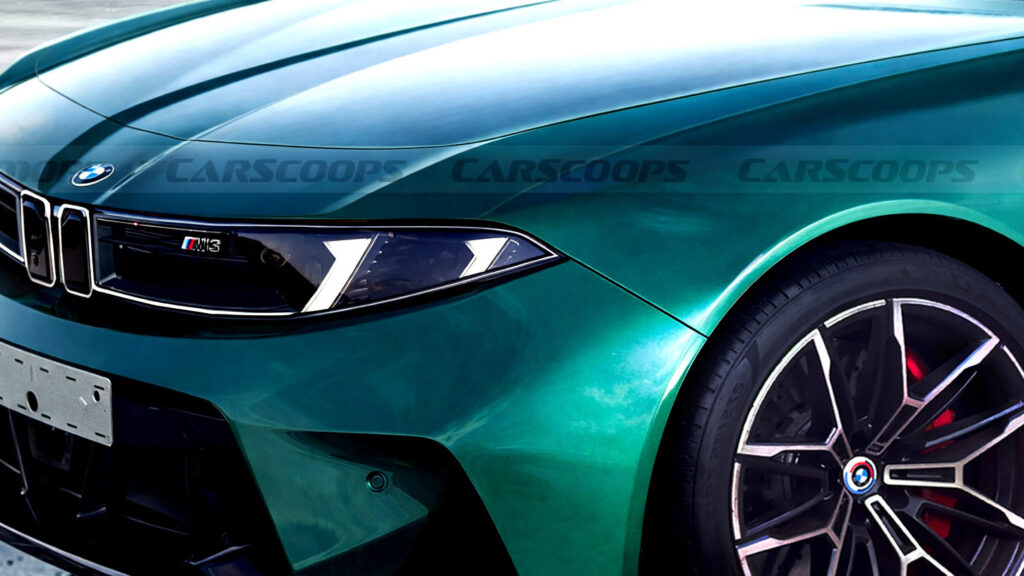
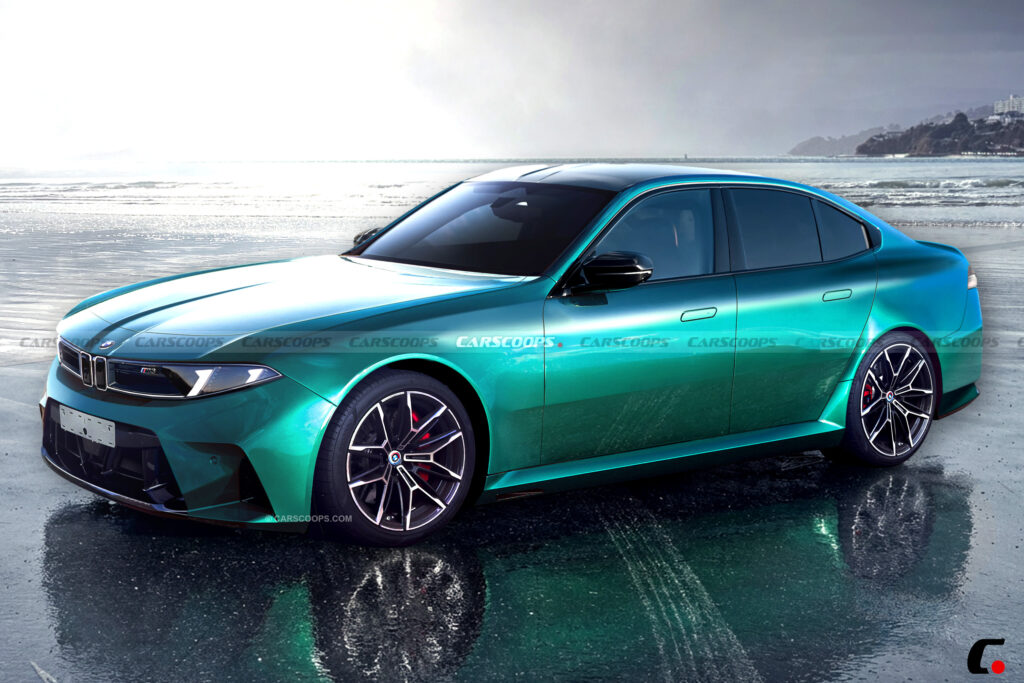
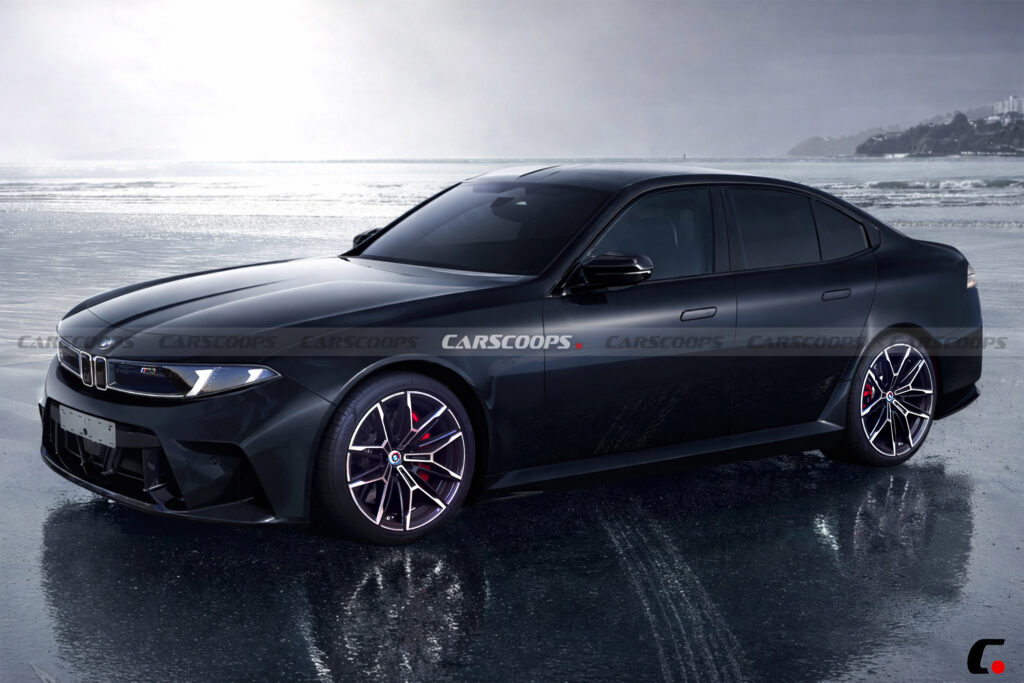
Undoubtedly, the most controversial aspect of the current M3 has been its double kidney grille. While many have grown accustomed to the bold nose, the new car heavily orients itself towards the Neue Klasse design language with much smaller “kidneys,” framed by a surrounding light panel.
Below is a massive lower air intake with geometric channels to supply air to the intercooler and brakes, and the hood features a recessed central channel. The side is defined by huge M-specification wheels and brakes, minimalist surfaces with soft contours, flush door handles, and minimal lines.
The rear view is defined by muscular fenders, a multi-channel diffuser, OLED taillights, a thin integrated trunk spoiler, and a quad-exhaust system.
Smart Interior
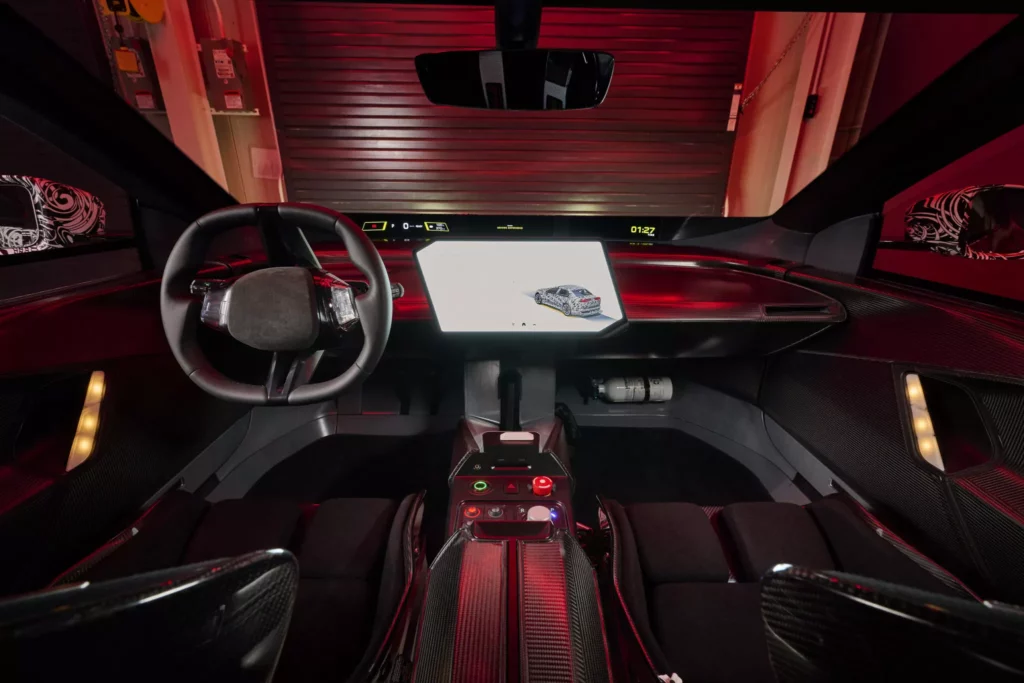
Inside, the new M3 adopts BMW’s next-generation cabin ethos, the main feature of which is a pillar-to-pillar iDrive panoramic display, similar to the new iX3 SUV. The large central tablet-shaped display, measuring 17.9 inches diagonally, runs on BMW Operating System X, providing enhanced voice control, richer graphics, and a more intuitive interface.
Expect a reduction in physical switches, a robust M steering wheel, bucket seats, and higher-grade materials to help bridge the gap between the standard 3 Series and the flagship M5. Active safety technology will take a big step forward thanks to an improved sensor suite and semi-autonomous capabilities.
CLAR Platform
While the electric iM3 will be based on the all-new Neue Klasse architecture, the ICE M3 deviates from this path, remaining on the evolved CLAR platform from the current model. Unlike the larger M5, this will not allow the M3 to become an absolutely heavy machine.
The mild hybrid system equipment, larger brakes, additional body stiffening elements, and standard xDrive all-wheel drive will likely increase weight compared to the current G80, but this will be offset by increased use of aluminum.
Inline-Six Returns, Manual Does Not
Under the hood will be a revised 3.0-liter inline-six twin-turbo engine derived from the S58, paired with a 48-volt mild hybrid system. This system will provide increased low-end torque while simultaneously reducing fuel consumption.
Power is expected to exceed 523 hp, placing it above the current M3 Competition, although it will not approach the crazy four-figure number predicted for the electric iM3.
According to early reports, the new four-door M3 will be offered exclusively with an 8-speed automatic transmission and xDrive all-wheel drive. A manual transmission and rear-wheel-drive layout are not expected to return in this generation.
BMW has not yet officially confirmed these details. If they hold true, it will be a disappointment for enthusiasts who value driver interaction over absolute speed. However, rumors suggest the manual gearbox may live on in the M2 and M4 coupes until the end of their life cycle later this decade.
Competitors and Debut
Key competitors for the M3 remain the Mercedes-AMG C63, which may for the first time in history switch to an inline-six, the future Audi RS5, Cadillac CT4-V Blackwing, and the aging Alfa Romeo Giulia Quadrifoglio.
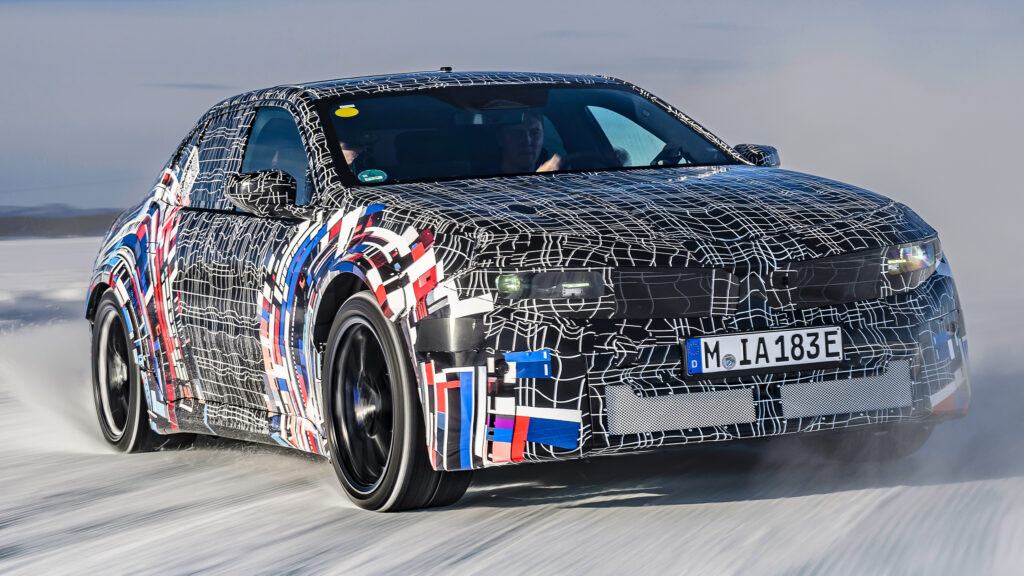
While some sources suggest a debut in early 2028, current test mules look much more production-ready, indicating that BMW may unveil the model as early as 2027.
This shift to mild hybridization and the abandonment of the manual transmission clearly reflect broader trends in the automotive industry, where environmental regulations and market demand often dictate the trajectory of even the most historic models. The decision to retain the inline-six, even in an augmented form, can be seen as a concession to tradition, while other manufacturers fully transition to electrification or smaller engines. The success of this strategy will depend on whether BMW can find the right balance between the driving emotions that have defined the M3 for decades and the technological demands of the future.