 by
by First Look at the Cupra Raval
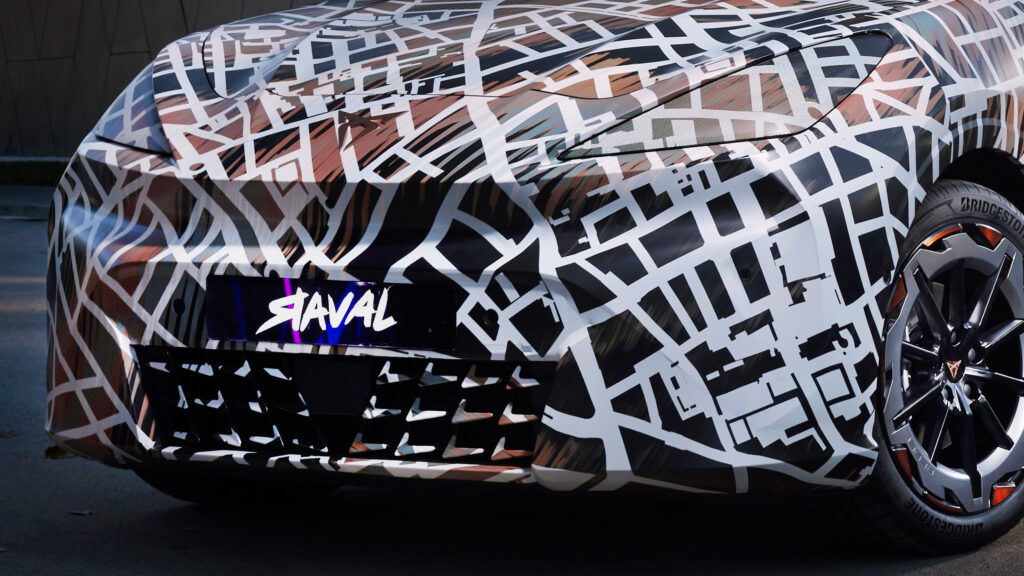
Cupra has removed some of the camouflage from the Raval electric compact hatchback, showcasing its sporty suspension and three trim levels. The car, set to debut in early 2026, is intended to be an energetic addition to the small electric vehicle segment.
Technical Features and Platform
The Raval is built on the updated MEB+ platform from the Volkswagen Group, which is also used by the VW ID. Polo, ID. Cross, and Skoda Epiq models. All of them will be manufactured in Spain, with Cupra not only developing its own version but also being responsible for tuning the chassis for the entire model family. Although each brand has its own characteristics, the Raval is positioned as the most dynamic variant.
Driving Qualities
Despite its compact dimensions (just over 4 meters in length), Cupra engineers have made the Raval 15 mm lower compared to other cars on the MEB+ platform, reinforced the suspension, added progressive steering, and installed disc brakes on both axles. The base Dynamic trim is equipped with a front electric motor producing 208 hp, providing a range of up to 450 km.
Trims and Options
The Dynamic Plus trim offers advanced driver assistance systems, intelligent parking functions, matrix LED headlights, bucket seats, and a 12-speaker Sennheiser audio system. For the top VZ version, the developers installed a more powerful 233 hp engine, an electronic differential, and sport steering linkages. This model also received a wider track by 10 mm, standard 19-inch wheels, and seats with dynamic bolstering, although the interior remains unseen for now. The range for the VZ decreases to 400 km.
Pricing Policy
The starting price of the Raval will be around €26,000. In the future, less powerful versions may be added to reduce the cost after the initial sales phase.
The planned launch of the Cupra Raval in 2026 could significantly impact the compact electric car market by offering a combination of affordability and sporty performance. The use of the shared MEB+ platform helps optimize production costs while preserving brand individuality. Growing competition in this segment encourages manufacturers to implement innovative solutions, ultimately expanding consumer choice.