 by
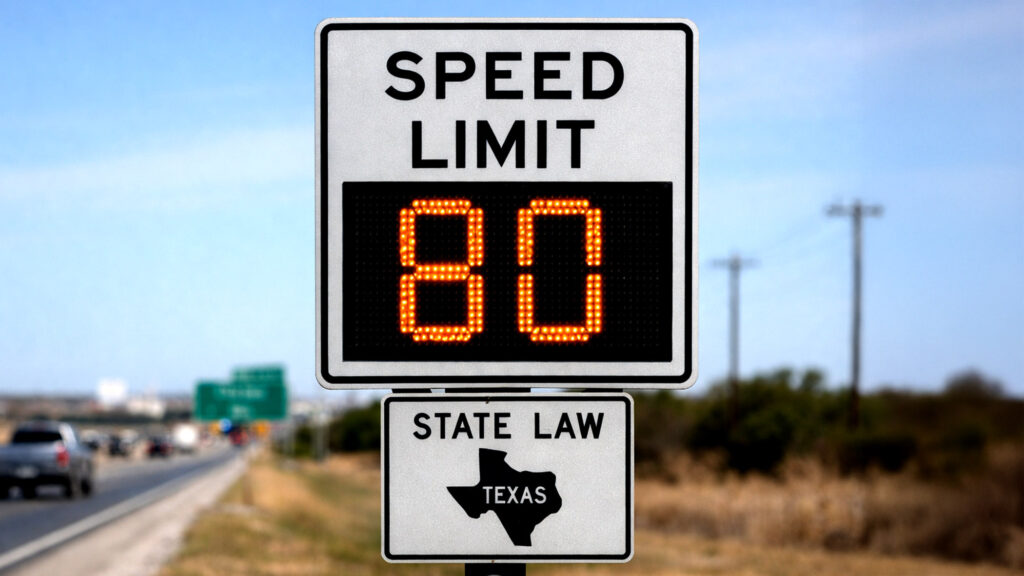
by Texas state highways are becoming smarter. With the goal of increasing safety and adapting to current conditions, state authorities are beginning a wide implementation of variable speed limits. This step was a consequence of a fatal accident in 2021, which raised acute questions about the effectiveness of fixed limits in extreme weather conditions.
Legislative Basis for Changes
The idea of variable signs is not new, but in Texas it was only recently legalized. Two years ago, legislators approved the use of dynamic signs, allowing speed limits to be changed depending on road conditions. Following the pilot project, drivers across the state will now start seeing such digital displays more frequently.
If we cannot change or adjust the speed limit to reflect current conditions, safety is put at risk.
The Tragedy That Changed the Rules
The turning point was a massive multi-vehicle accident on I-35W during a severe winter storm. Despite the temperature being below freezing for over 36 hours, the speed limits formally remained at 75 mph on toll lanes and 65 mph on regular lanes. Insufficient driver caution led to a chain-reaction accident involving 133 vehicles and six fatalities. This tragedy became a key factor for the adoption in 2023 of a law sanctioning the use of variable speed limits.

How the New System Works
The Texas Department of Transportation (TxDOT) now has the authority to temporarily lower speed limits when conditions demand it. This applies to weather, heavy traffic, road work, or any other factors affecting safety. However, there is a limit on the amount of reduction. The decrease is limited to 10 miles per hour, meaning a road with a 70 mph limit can only be lowered to 60, not to a minimum speed.
According to reports, the new signs will first appear on highways already connected to the state’s Intelligent Transportation System. It uses cameras and sensors to monitor conditions. This allows the agency to identify hazards, record instances of speed limit changes, and restore normal limits after the situation improves.

What This Means for Drivers
For drivers, the main thing is to adhere to the number displayed on the sign at the moment of passing. The speed limit is the number currently displayed. If the limit changes, it only takes effect from the moment it is displayed on the digital sign, overhead display, or electronic information board.
The implementation of dynamic speed limits is part of a broader global trend towards creating adaptive transportation systems. Technologies allow for real-time responses to conditions, potentially preventing accidents caused by sudden black ice, dense fog, or large-scale traffic jams. The success of the Texas initiative could serve as an example for other regions where weather phenomena or traffic intensity create similar road safety challenges. The effectiveness of such systems often depends not only on technical infrastructure but also on drivers’ willingness to trust and quickly adapt to variable instructions.