 by
by Discovery of the Problem and Its Essence
The Japanese automaker Toyota has once again encountered a problem that reminds us that even the smallest part can cause serious consequences. The company announced a recall of over 55 thousand hybrid cars in the United States due to a risk associated with a single bolt.
Technical Details of the Defect
According to the National Highway Traffic Safety Administration, the problem lies in the inverter, which manages the energy flows in Toyota’s hybrid system. If the inverter bolt was not properly tightened at the factory, it can lead to an incomplete electrical contact at the inverter terminal.
Also: Over a Million Toyota Cars Recalled After Driver Complaints About Complete Lack of Visibility
In simple terms, this can cause warning lights on the dashboard, reduced power, or, in the worst case, a sudden loss of traction while driving or even a fire.
Models Affected by the Recall
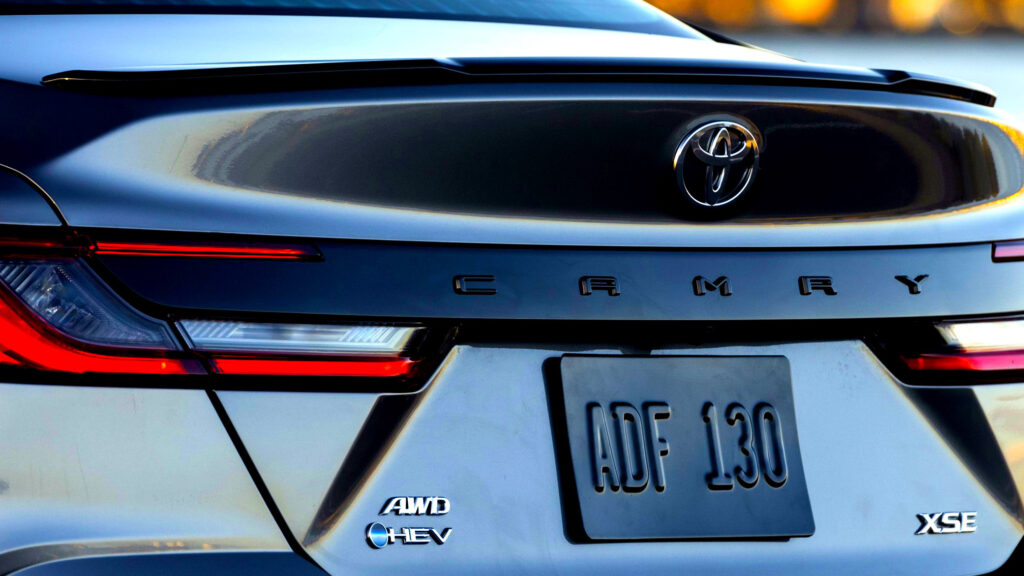
The recall concerns 55,405 popular models: the Toyota Camry Hybrid and Corolla Cross Hybrid. The majority, over 51,600 sedans, are Camry vehicles from the 2025-2026 model years. The remaining 3,761 vehicles are Corolla Cross crossovers from the 2026 model year.
Source of the Problem
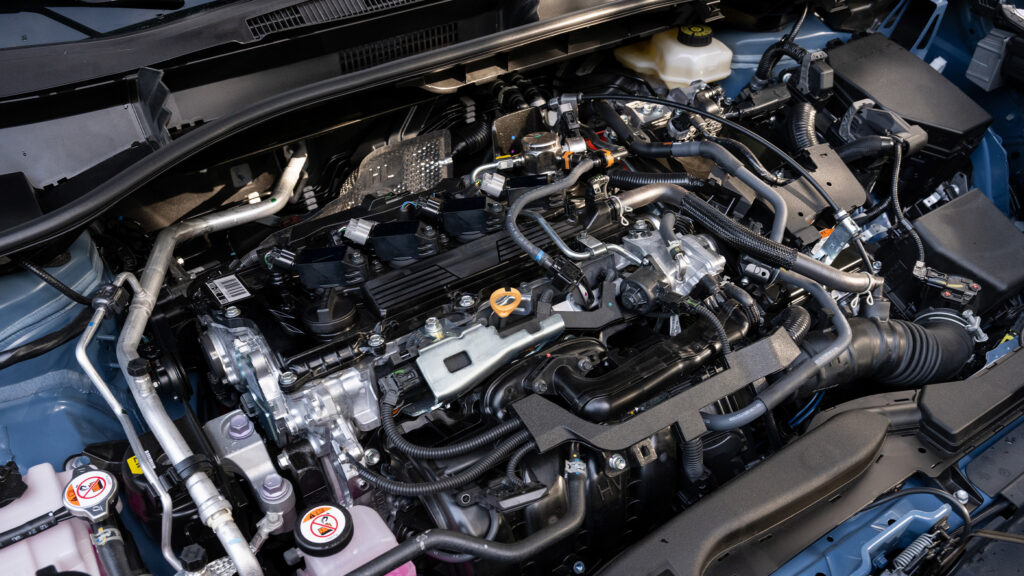
Each of these cars is equipped with an inverter manufactured in the USA at Denso’s plant in Tennessee. Although the inverters themselves are identical, the engines they work with in the Camry and Corolla Cross are different.
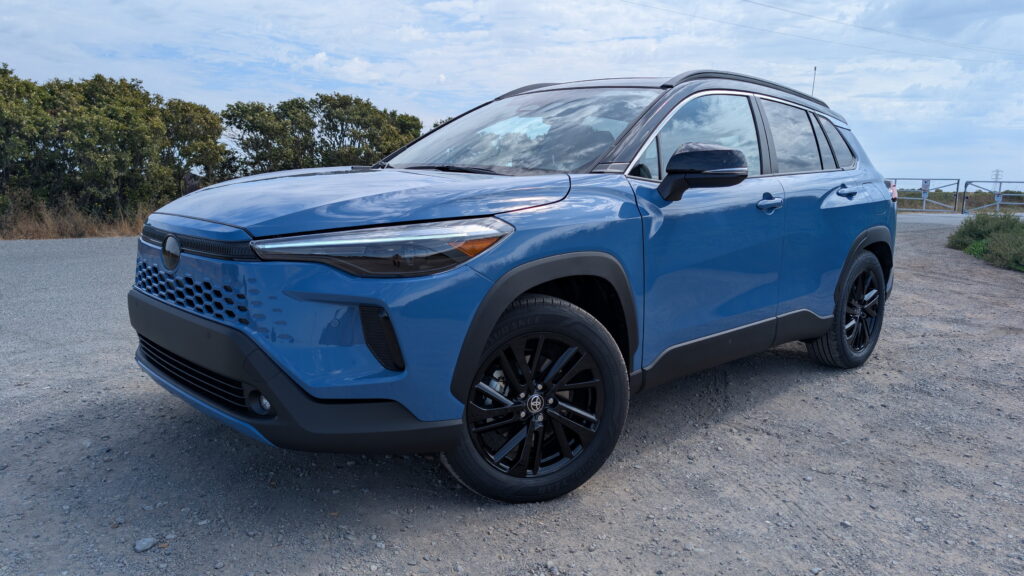
The Camry uses a 2.5-liter inline four-cylinder engine with a total system output of 225-232 hp depending on the drive. The Corolla Cross gets a 2.0-liter engine with 196 hp.
Current Status and Future Actions
Fortunately, Toyota reports that no accidents or injuries related to this problem have been recorded so far. However, the company has already received 34 field technical reports and 15 warranty claims.
Less comforting news is that the defect repair procedure has not yet been finalized. When the solution is ready, dealers will inspect the inverter and tighten or replace the bolt free of charge. Owners will receive direct notifications when Toyota is ready to begin the repair campaign.
This situation vividly illustrates how complex modern cars have become. When everything works perfectly, they are impressive. But when one tiny bolt is not tightened properly, the chain of events can unfold very quickly. Such incidents make one think about the balance between technological complexity and reliability, especially in the era of mass production, where quality control at every stage becomes critically important. For owners, it is also a reminder of the importance of responding promptly to recall notices, even if the problem seems minor, as safety should always be the priority.