 by
by Ohio May Introduce Black License Plates for an Additional Fee
The state of Ohio may join a number of American states that offer drivers so-called “darkened” license plates. This design is gaining popularity across the country and, as it turns out, is a fairly effective way to replenish the budgets of Departments of Motor Vehicles (DMV), which may explain the sudden interest in it.
Senator’s Bill
Ohio State Senator Nathan Manning recently introduced a bill proposing the implementation of black license plates. Similar to analogous designs in other states, they will have a solid black background with white letters and numbers.
Importantly, they will not feature the slogan “Birthplace of Aviation,” which is present on Ohio’s standard plates, but they will still have a validation sticker for vehicle registration.
Cost and Conditions
The bill proposes to set an annual fee of $20 for such plates, plus an administrative fee of $10. They will be available to anyone registering a new vehicle.
Popularity as a Revenue Source
Darkened license plates, similar to those proposed in Ohio, are becoming an increasingly useful tool for DMVs seeking to strengthen their budgets. In the three years since the launch of its own dark plates in Colorado, over 486 thousand vehicles have been registered with them. Each plate carries an annual fee of $25, which has generated $12.15 million in revenue, and they now account for 7.69 percent of all new license plates issued in the state.
Experience of a Neighboring State
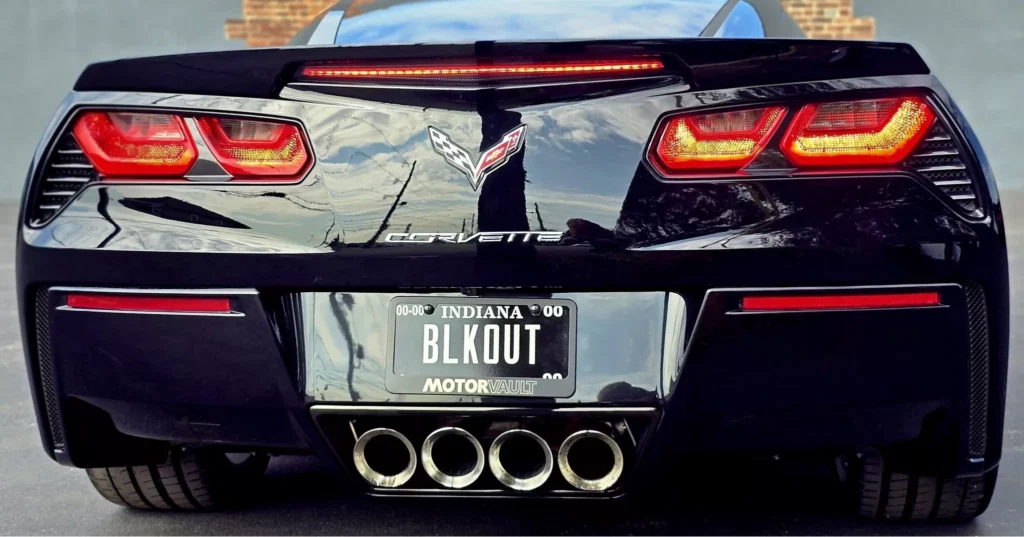
In August, a dark design was introduced in Indiana for passenger cars, vans, motorcycles, and trucks weighing less than 11 thousand pounds. An annual fee of $45 is charged for them, and an additional $45 is required for personalization.
In just the first two months, over 40 thousand such plates were sold, generating over $1.3 million in revenue. As of early February, over 105 thousand plates had been sold, highlighting how popular the black design has become among vehicle owners. Ohio will likely be watching closely to see if it can replicate Indiana’s success.
The initiative in Ohio clearly fits into the general trend where government agencies find creative ways to generate additional funds without directly raising taxes. The success of similar programs in other states demonstrates that even small voluntary fees for aesthetic changes can significantly impact the budget. It also shows the willingness of citizens to pay for personalization and uniqueness, even in seemingly utilitarian things like license plates. Demand for such products often exceeds expectations, turning a simple design update into a stable source of funding.