 by
by Abuse of Automated License Plate Reader Systems: 14 Cases of Stalking
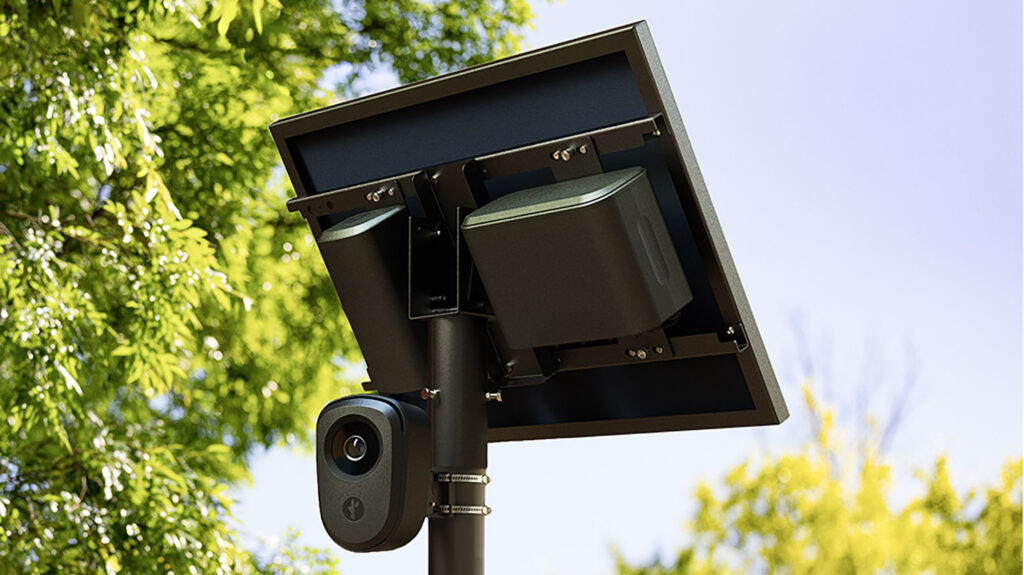
In the United States, scrutiny is increasing over the use of automated license plate readers, particularly systems from the company Flock Safety. The reason is cases of abuse by law enforcement officers. According to a review by the Justice Institute, at least 14 cases were identified where police officers used these tools to stalk romantic partners, former partners, or even strangers who piqued their interest. If ALPR systems continue to expand, this number could grow significantly.
How were the violations detected?
These 14 examples are significant, but they do not reflect the full picture. In most cases, the abuse was not detected thanks to diligent police officers, internal systems, or audits. Instead, the truth came to light only after victims noticed unusual patterns of behavior and reported them. This raises a serious question about how often such access is used improperly while remaining unnoticed.
Consequences for the violators
In almost every case, the outcome was predictable: the officers were held accountable, resigned, or were fired from their departments. On paper, this looks like accountability. However, this does not always mean a final resolution of the problem. Losing a job in law enforcement does not automatically mean losing certification. In many states, certification is regulated separately from employment and requires its own procedure for revocation. This process can take time and does not always result in a permanent ban from police work.
So, while none of the officers involved currently work in the departments where the offense occurred, there are no public records confirming whether they lost their certification. Without this step, an officer may try to get a job at another agency.
The problem of power and control
This situation demonstrates a flaw in the argument often made by proponents of such camera systems: if you have nothing to hide, why worry about this type of surveillance? The answer is simple: because people entrusted with the lawful use of these systems sometimes abuse that power. The famous statement about power and corruption is not an endorsement that those in power avoid corruption. On the contrary, this case proves the opposite.
Overall, this story highlights a critical gap in the system of oversight for the use of surveillance technology. Even when violations are detected, the lack of automatic certification revocation allows officers who abused their positions to potentially continue their careers elsewhere. This calls into question the effectiveness of punishments and demands stricter control mechanisms to prevent similar incidents from recurring in the future. Systems designed to protect should not become tools for harassment, and the lack of proper oversight only undermines trust in law enforcement agencies.