 by
by The updated 2027 BMW 7-Series has received key technologies from the Neue Klasse lineup, including a standard display for the front passenger. The electric i7 version now features cylindrical battery cells, standard all-wheel drive, and a range of over 350 miles. The rear 31.3-inch theater screen has gained touch control functionality, support for Zoom video calls, and an HDMI port.
The Most Extensive Update in the Model’s History
BMW calls the 7-Series update the most extensive mid-cycle facelift in the model’s history. These changes demonstrate how the company plans to integrate Neue Klasse ideas into all its older models, including the future updated 5-Series. Although the car remains on the CLAR platform rather than the Neue Klasse architecture, the changes are significant.
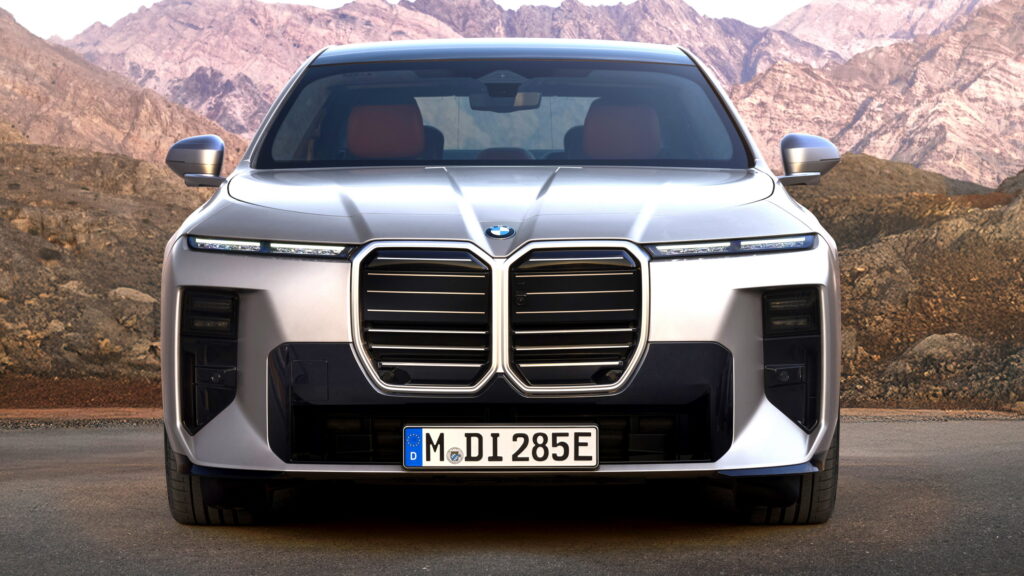
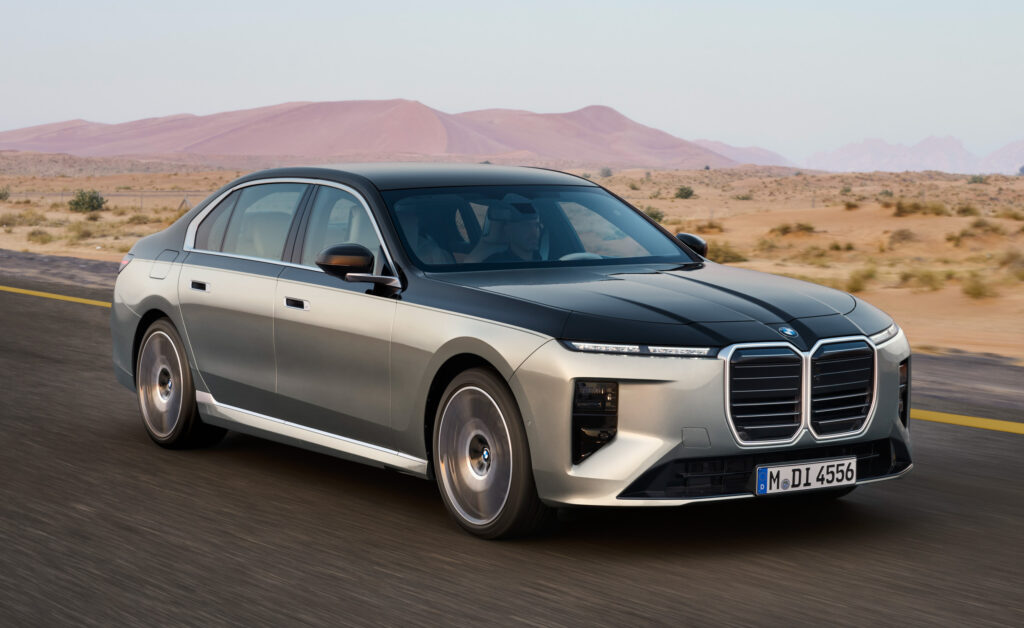
Visual changes may seem subtle, but they are present. The kidney grille has become narrower, with horizontal instead of vertical slats. Ultra-thin daytime running lights meet the grille, and the main headlights are now smaller and almost hidden in the side bumper air intakes. The design has become more industrial, with large body-colored plastic planes replacing massive black inserts.
It’s not beautiful, and we don’t like the two-tone individual paint, even if it takes 75 hours of work in the workshop to create. But the 7-Series undoubtedly has a strong presence, looking as if someone machined a luxury sedan directly from a solid aluminum billet and screwed on the wheels.
The rear looks less provocative. In addition to the matte emblem, first introduced on the iX3, the 7-Series has received longer light units that almost form a continuous light bar.
Updated Interior and Digital Technologies
Inside, the changes are noticeable immediately. The Panoramic iDrive system has appeared, which includes a projection across the entire width of the windshield called Panoramic Vision and a free-floating 17.9-inch central display. A 14.6-inch display for the passenger is also standard, allowing them to watch streams, play games, and view TV. A built-in camera dims it if it detects driver distraction.
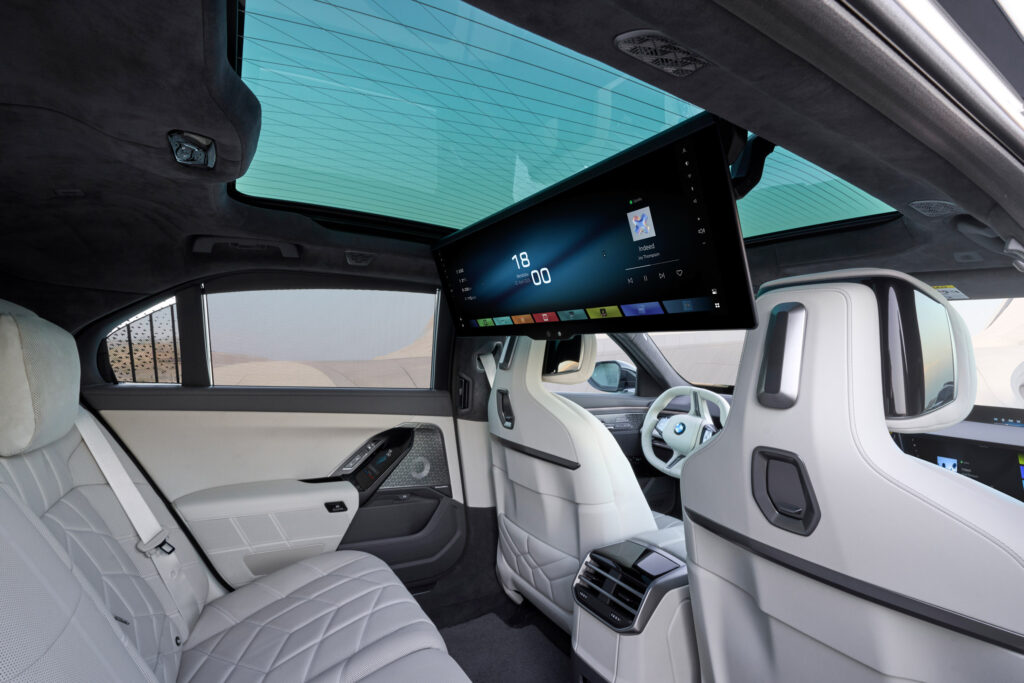
The rear 31.3-inch theater screen is now touch-sensitive, supports Zoom video calls via a built-in camera, has an HDMI input, and a Dolby Atmos audio system via the optional 36-speaker Bowers & Wilkins system. The base configuration includes an 18-speaker system with 575 watts of power.
All this digital entertainment is powered by a completely new electrical architecture borrowed from Neue Klasse cars. It has 20 times more computing power than before, and zonal wiring allowed for the reduction of about 610 meters of cables and a 30% reduction in wiring harness weight. The voice assistant received a serious update thanks to integration with Amazon Alexa+ artificial intelligence.
New Batteries and Greater Range
The most important news for the electric i7 version is the battery pack. BMW has switched to sixth-generation cylindrical cells, whose energy density is 20% higher. The usable battery capacity has increased by more than 10% to 112.5 kWh. All 2027 i7 models have a standard NACS port and can charge at up to 250 kW.
The 536 hp i7 60 xDrive model offers a range of over 350 miles instead of the previous 311 miles and can charge from 10 to 80% in 28 minutes. It accelerates to 60 mph in 4.6 seconds. The 449 hp i7 50 xDrive model accelerates to 60 mph in 5.3 seconds.
ICE Updates and Plans for M-Versions
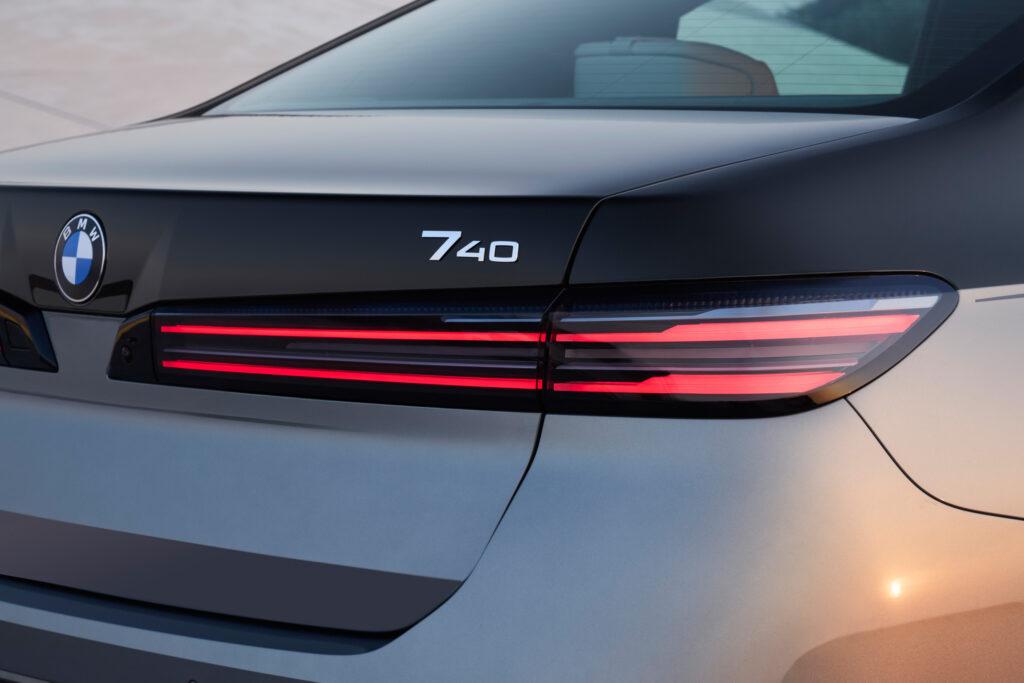
For internal combustion engine enthusiasts, the 740 and 740 xDrive models have received a new generation 3.0-liter inline six-cylinder engine with 394 hp. The hybrid 750e xDrive version will appear in early 2027. There is no direct replacement for the powerful M70 and 760i xDrive versions yet, but BMW has announced the appearance of a high-performance model with a V8 engine after the start of sales.
Step Back from Autonomous Driving
The driver assistance system has been completely redesigned under the name BMW Symbiotic Drive. It is a Level 2 system that uses eye-tracking to understand the driver’s intentions. At the same time, this generation quietly abandons the possibility of Level 3 autonomous driving, which once made the 7-Series a pioneer. BMW, similar to Mercedes, decided that regulatory difficulties and liability issues are not worth it when a good Level 2 system is cheaper to develop and easier to sell.
Production will begin in July 2026 at the BMW plant in Dingolfing. The i7 and 740 models will arrive in the US shortly after, while the hybrid 750e xDrive will appear in early 2027.
The BMW 7-Series update demonstrates the concern’s strategic approach to modernizing the entire model range. Instead of a complete platform replacement, engineers integrated key technological achievements of the Neue Klasse into the existing architecture, allowing for a rapid increase in the flagship’s competitiveness. Particularly interesting is the step back from higher-level autonomous driving, which may indicate a shift in industry priorities—focusing on reliability and accessibility rather than ambitious but risky technologies. This could also be a reaction to the conservatism of the luxury sedan market, where impeccable material quality and predictable system behavior are often valued more than radical innovation.