 by
by Factorial Energy joins SK On for mass production of solid-state batteries
Factorial Energy, one of the most promising battery manufacturers in the U.S., has signed a memorandum of understanding (MoU) with South Korean leader SK On. The goal is to explore the possibilities of large-scale production of advanced solid-state batteries. As the electric vehicle industry rapidly evolves, such agreements have the potential to significantly change the market.
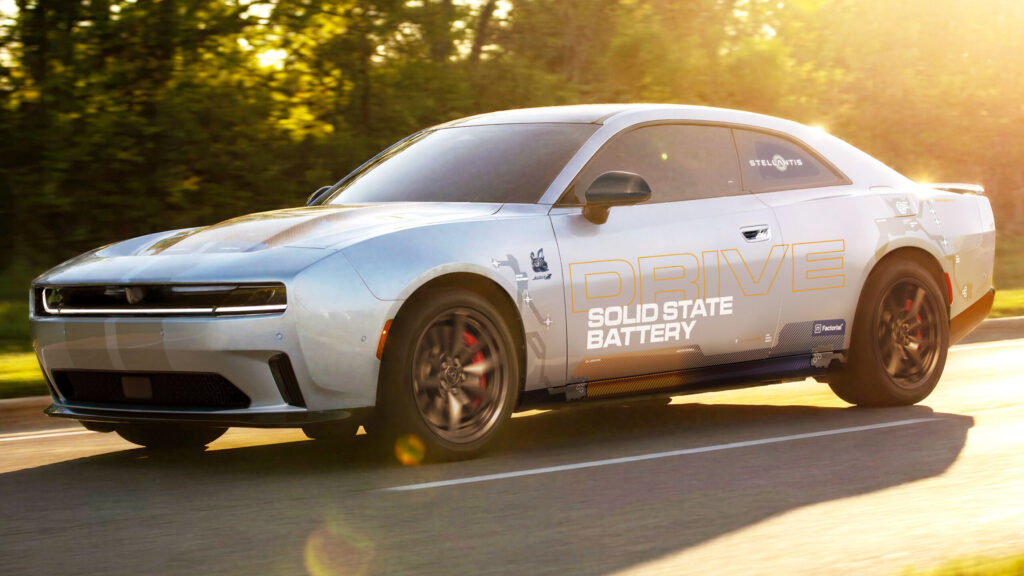
Under the MoU, the companies will study the technical feasibility and manufacturing aspects of Factorial’s FEST solid-state batteries. Although this company may be less well-known than CATL, it is precisely its technology that Mercedes-Benz, Stellantis, Karma, and other market players are testing.
Earlier: New solid-state batteries from Mercedes and Factorial could increase electric vehicle range by 80%
Although solid-state technology has advanced significantly in recent years, it has not yet been commercialized on a mass scale. SK On already has a vast manufacturing infrastructure for lithium-ion batteries, making it an ideal partner for Factorial to help the cells reach the mass market.
“A breakthrough in batteries only matters if it can be manufactured at scale,” said Factorial CEO Siyu Huang. “That is why this partnership with SK On is so important. Their manufacturing base includes some of the most advanced facilities in the world, and their expertise will be critical to how solid-state technology integrates into global manufacturing ecosystems.”
The future of solid-state batteries
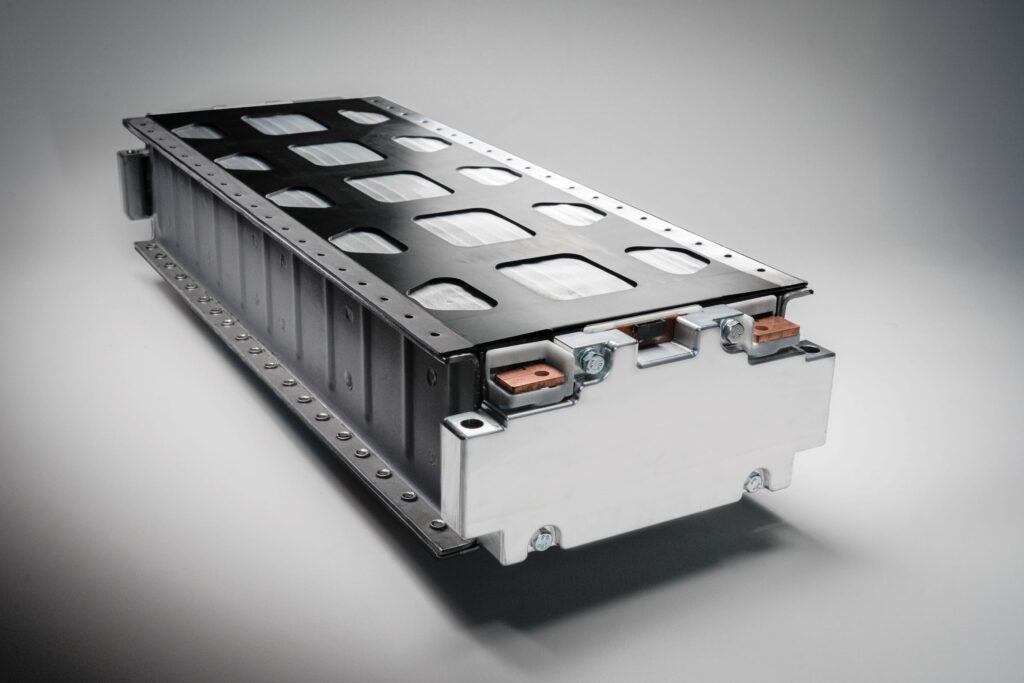
Factorial notes that it never planned to produce its solid-state batteries independently or at separate facilities. Instead, its main focus is developing new technologies that can be used at existing production capacities. In addition to automotive batteries, the company also plans to work with SK On on applications for these batteries in mobility, high-performance systems, and energy storage.
Many consider solid-state batteries to be the next frontier in automotive technology. Several Chinese automakers are approaching serial production of solid-state cells, as are Japanese companies, including Toyota.
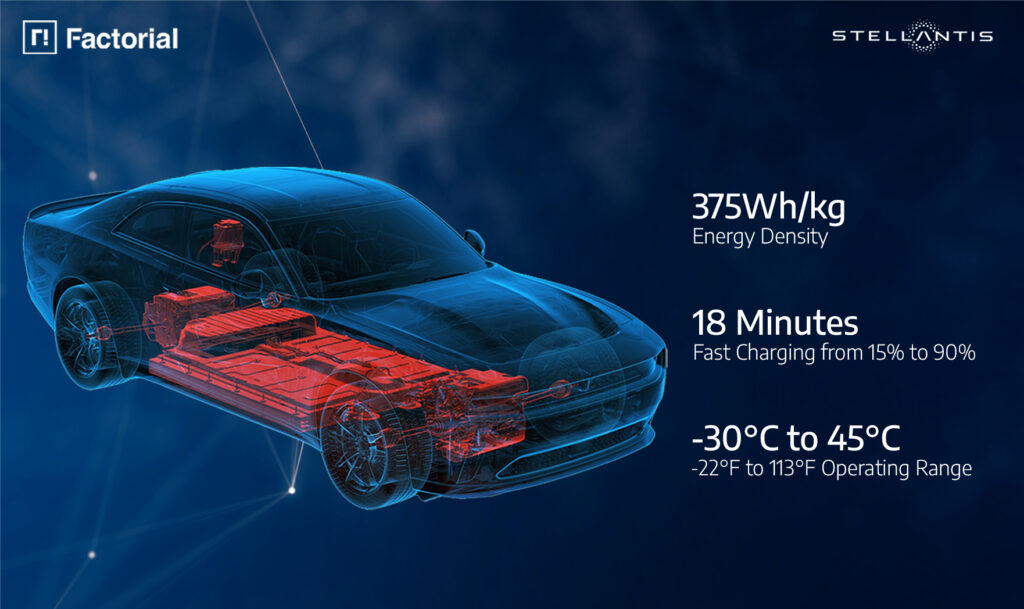
This partnership signals that the commercialization of solid-state batteries is becoming increasingly real. Using SK On’s existing infrastructure will allow Factorial to avoid huge capital investments in building new factories, speeding up the technology’s time to market. At the same time, competition in this segment is growing: Chinese and Japanese manufacturers are also actively working on their own solutions. Factorial and SK On’s success will depend on how effectively they can scale production while maintaining the high quality and energy density that solid-state technology promises. Collaboration with giants like Mercedes and Stellantis adds credibility to Factorial’s developments, but the real test will be series production in the face of stiff competition from traditional lithium-ion batteries.