 by
by German auto giants lose ground in China: youth choose local brands
For more than two decades, owning a German car in China was a symbol of success. However, today this formula no longer works. China remains one of the most important markets for German automakers, but they are increasingly losing ground to local competitors who have managed to win the favor of young buyers.
Recognition of the problem by VW leadership
Volkswagen’s head in China, Robert Chizek, admitted that the rapid changes in the Chinese automotive market turned out to be “beyond imagination.” He noted that now “some younger customers perceive us as a brand for parents.”
For more than 25 years, VW was the best-selling automaker in China, but in 2024 it was overtaken by BYD, and in 2025 it dropped to third place, yielding to Geely.
Declining market share of German brands
Automotive consultant Felipe Muñoz notes that German brands “did not foresee these enormous changes and did not expect such a speed of their onset.” Although overall sales of new cars in China continue to grow, the market share of German brands has fallen from 26% in 2019 to 16% in 2025, when they sold 3.9 million cars.
Attempts by German manufacturers to catch up
Previously, companies like VW could sell their cars in China thanks to build quality, high-quality materials, and a solid reputation. However, according to Reuters reports, this is no longer enough.
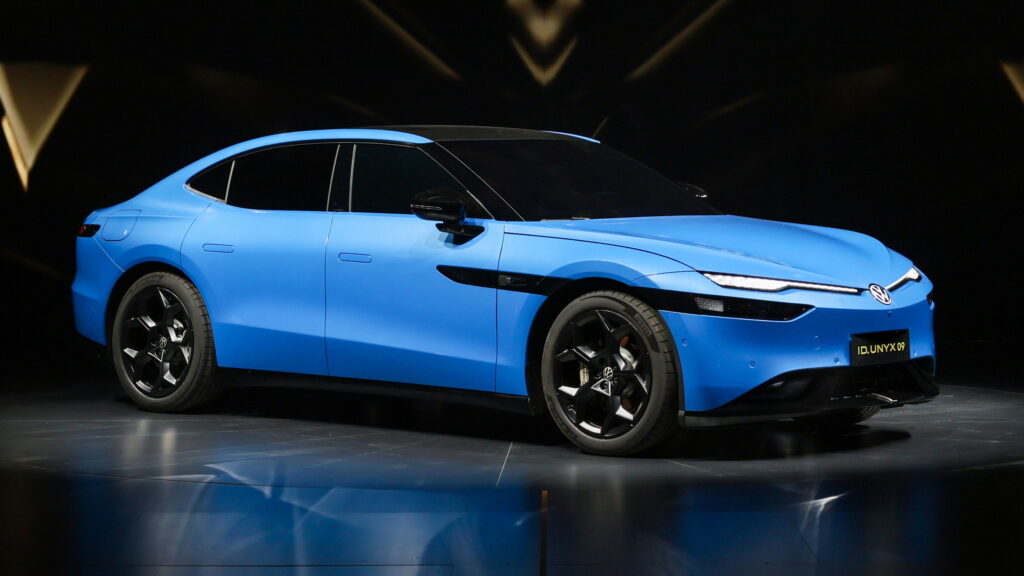
To regain lost positions, the Volkswagen group plans to launch 20 new energy vehicles in China this year, including several fully electric models, plug-in hybrids, and electric cars. Many of these new products were recently presented at the Beijing Auto Show, including the ID. Aura T6, created in partnership with FAW, the ID. Unyx 09, developed together with Xpeng, and the fully electric AUDI E7X from the joint venture with SAIC.
Will this be enough?
Whether such steps will be enough to change the situation remains to be seen. According to a recent AlixPartners survey, young buyers in China are increasingly avoiding German cars, despite the fact that the “Made in Germany” slogan has strong appeal in many other countries.
The situation in the Chinese market demonstrates a fundamental shift in consumer preferences. The young generation of Chinese, who grew up in an era of rapid technological development, values innovation, digital technologies, and modern design more, which local brands like BYD, Geely, or Xpeng actively offer. German manufacturers, who for decades relied on traditional advantages, are now forced to radically revise their strategies, investing in partnerships with Chinese companies and accelerating the development of electric vehicles. Their future in the world’s largest automotive market will depend on how quickly they can adapt to the new realities and offer products that meet the demands of the youth.