 by
by Large-Scale Porsche Recall Due to Software Issue with Cameras
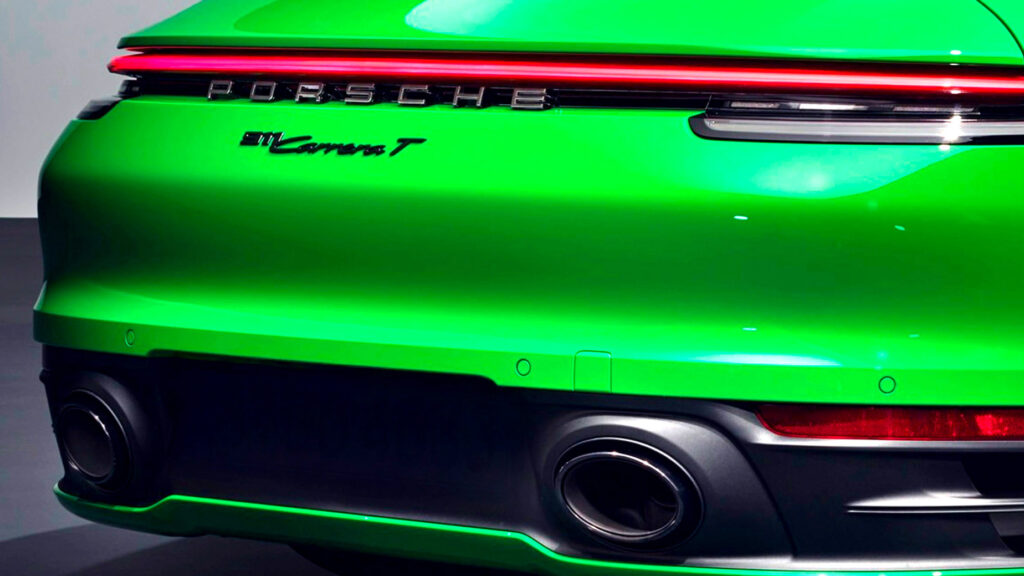
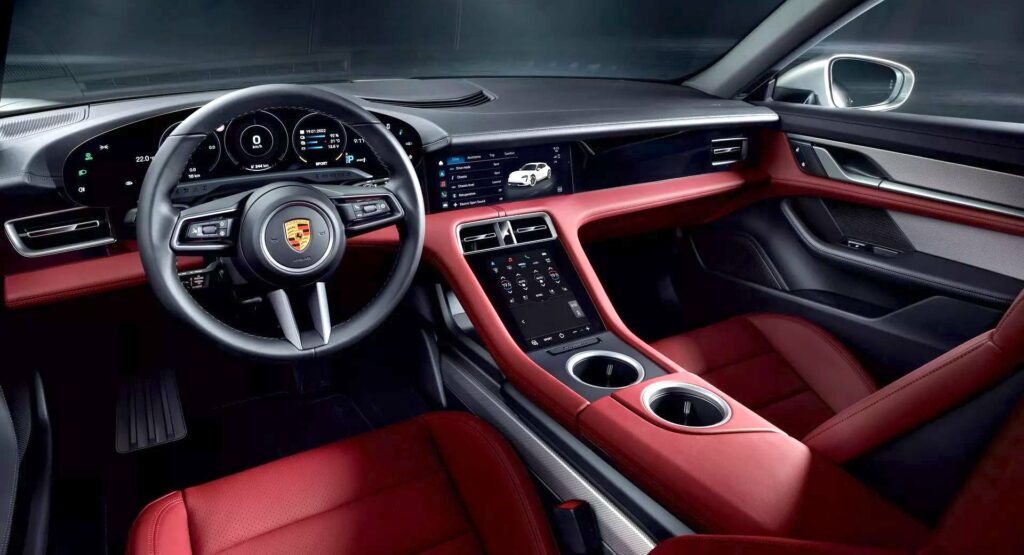
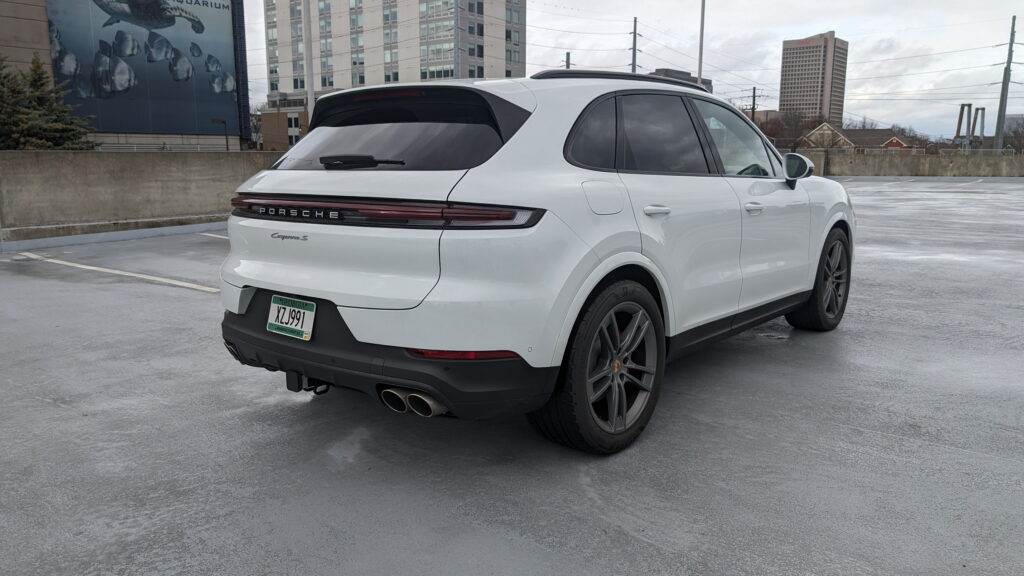
Porsche has announced a recall of 173,538 vehicles in the US market due to a problem related to the software of the camera system. This campaign affects various models, including the Cayenne, 911, Taycan, and Panamera, manufactured for the 2019 through 2025 model years.
The main cause lies in the interference of so-called “signal transient noise” between the control unit and the surround-view cameras. This can lead to an interruption of the video feed from the rearview camera when the driver engages reverse gear. Thus, the problem is not mechanical but digital.
Wide Range of Affected Models
The recall covers very diverse model types, highlighting the scale of the problem. Among them are:
This is another instance of a rearview camera issue, which in recent years has prompted recalls from many automakers in the American market.
Software Solution and “Self-Healing”
The defect correction is software-based. Porsche plans to release a software update that will be more resistant to signal interference. This update will also have a “self-healing” function, capable of automatically restoring camera operation in case of an interruption, without the need to visit a dealer each time.
It is likely that many owners of the affected vehicles have not even encountered this malfunction, as the manufacturer describes it as a rare occurrence. The first notification for them will be a letter from the company, planned to be sent in February, with instructions for scheduling service at an official dealer.
Context of the Brand’s Strategic Decisions
This recall occurs against the backdrop of Porsche’s strategic decisions regarding the future. Despite active development of electric models, such as the new 718 Boxster and Cayman, the company is also taking steps back towards internal combustion engines. A recent decision was made to launch high-performance versions with ICE for the new electric models, as well as to develop a new version of the Macan SUV with an internal combustion engine. Even the future flagship electric SUV K1 is now planned to have hybrid and traditional powertrains, not exclusively electric ones.
While preparing for the large-scale recall, dealers are also gearing up for the arrival of new electric models. This situation illustrates the complex transitional period for automakers, where they must simultaneously maintain and improve existing technologies in millions of vehicles on the road, while investing in the development of entirely new platforms and powertrains. Software issues like this one are becoming increasingly characteristic of modern cars, where electronics play a key role in safety and functionality, increasing the importance of reliable updates and swift manufacturer response.