 by
by A Threat on the Roads: Social Media and Videos Behind the Wheel
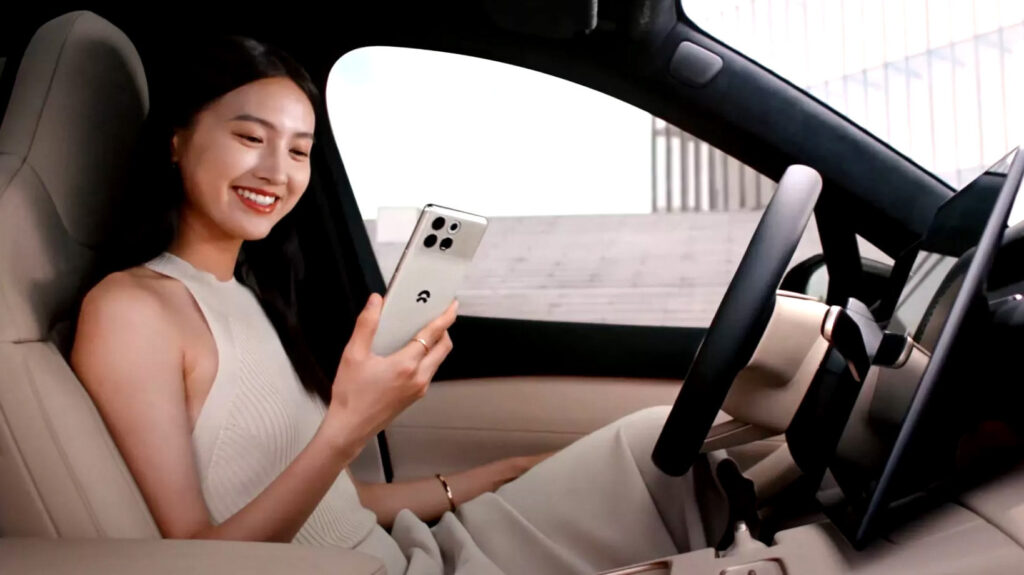
Smartphones have become so deeply woven into our daily lives that many people find it difficult to put them down even for a minute. This addiction is now spilling onto the roads. New data shows that distracted driving is becoming increasingly common, and it’s no longer limited to quick calls or text messages. Drivers are watching videos, scrolling through their TikTok feed, and even watching live streams while behind the wheel.
Data from the U.S. National Highway Traffic Safety Administration paints a grim picture. In 2023, distracted driving was linked to 3,275 deaths and over 300,000 injuries nationwide. While the numbers don’t reveal the exact cause of distraction, University of Virginia associate professor Charlie Klauer notes that using social media while driving is becoming an increasingly common occurrence.
People are interacting with their phones more and more while driving. The progression has gone from messaging to viewing and watching, which we see a lot of now. That’s Instagram, Snapchat, TikTok, and a whole host of other things.
Youth Behind the Wheel: From Text to Video
Joel Feldman, who gives talks to students across the country about the dangers of distracted driving, hears similar confessions. Young drivers, he says, openly admit to taking quick glances at videos while operating a car.
I talk to teenagers, and they say they take a quick glance at a TikTok video while driving. I didn’t hear that five years ago. It’s mentioned, whether it’s in New Jersey, Pennsylvania, Colorado, or Maryland, and those are just the states I’ve been in over the last few weeks.
Research also shows that young drivers, especially those aged 15 to 20, make up the largest share in fatal distraction-related crashes, with elevated rates persisting into the early twenties.
Real Crashes Caused by Watching Videos
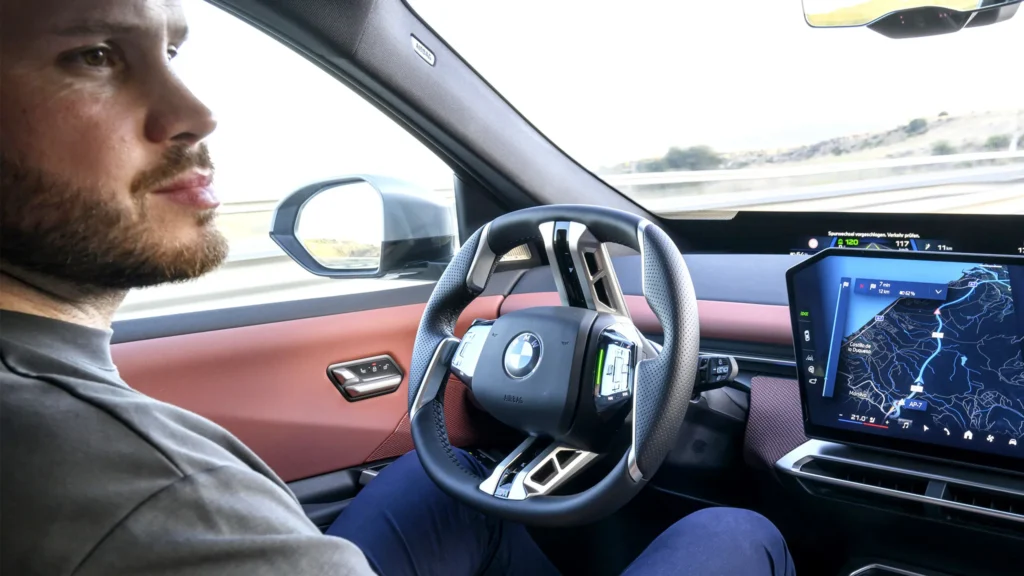
We are already starting to see crashes caused by people filming videos while driving. Late last year, popular streamers MeltIsLIVE and Jau Shaun were live-streaming as they raced a BMW M3 and a Dodge Charger through the streets of Atlantic City. Fortunately, no one was seriously injured.
A month earlier, a 43-year-old woman was live-streaming on TikTok when, according to investigators, she struck and killed a pedestrian. In California, another driver crashed into a parked police car while watching YouTube, nearly hitting an officer standing nearby.
Legislation Can’t Keep Up with Technology
Across the country, 49 states and the District of Columbia already ban texting while driving, and 33 states completely prohibit the use of handheld devices. This should cover most distractions. But it doesn’t. Drivers are now resorting to built-in infotainment screens, often unlocked with additional devices, to watch videos while driving.
Lawmakers are beginning to catch up. Some states are exploring rules that would explicitly ban streaming or live-streaming from the driver’s seat, which is not clearly regulated by current laws.
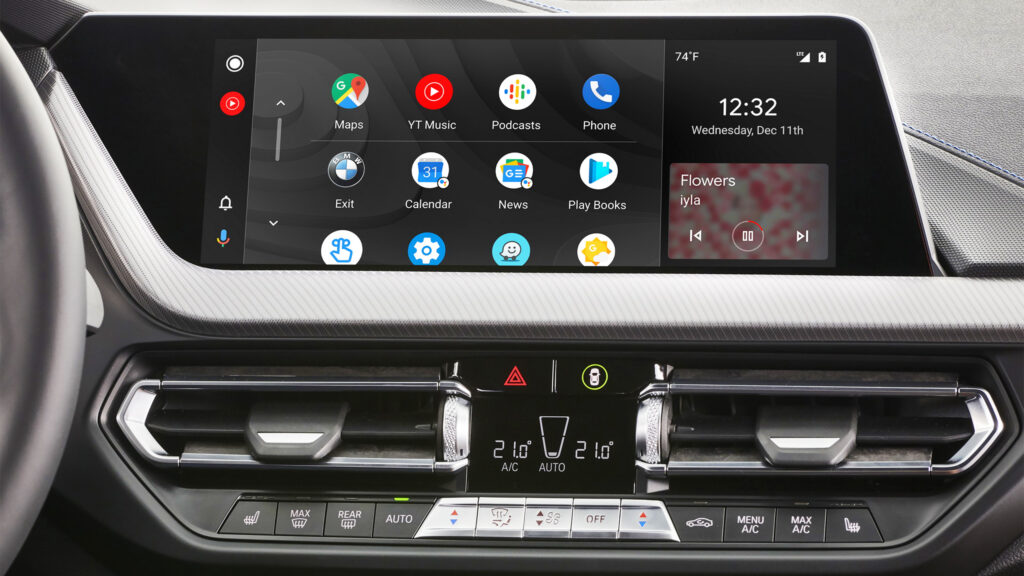
Increased reliance on touchscreens is also contributing to the rise in crashes. Studies have shown that using these screens can impair a driver’s reaction time more than alcohol or cannabis, prompting calls for more decisive action against distracted driving.
Here are the key points highlighted by researchers:
The problem of distracted driving has evolved alongside technology, transforming from phone conversations to complex media activities that require prolonged visual attention. This creates unique challenges for road safety, as traditional bans often fail to keep up with new forms of entertainment. The growing popularity of streaming services and video-centric social media only heightens the risk, turning the car cabin into a potential filming studio with tragic consequences. Society and authorities need to seek new approaches to education and regulation, taking into account this shift in behavior, especially among the younger generation of drivers.