 by
by A Dangerous Race on the Highway
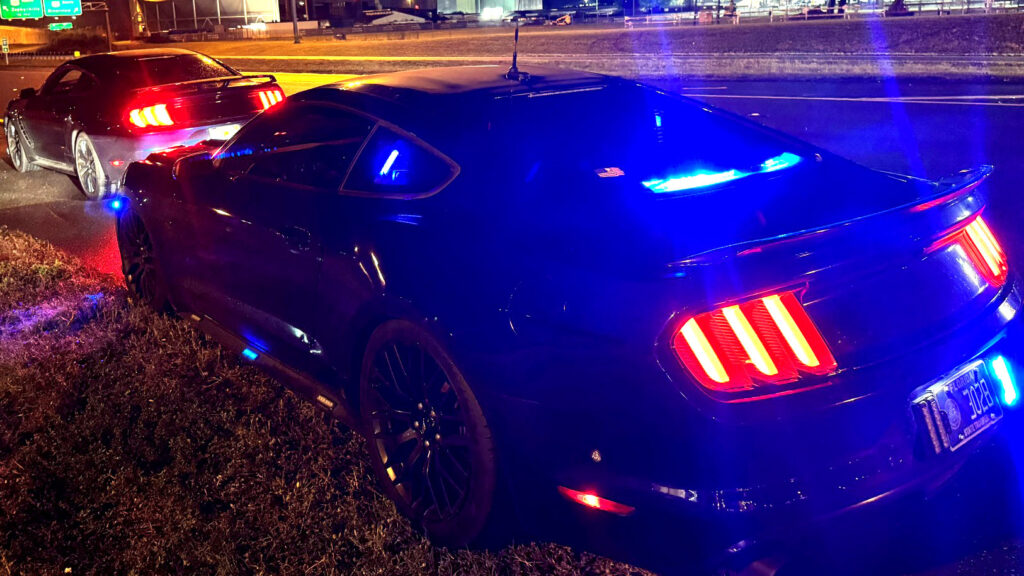
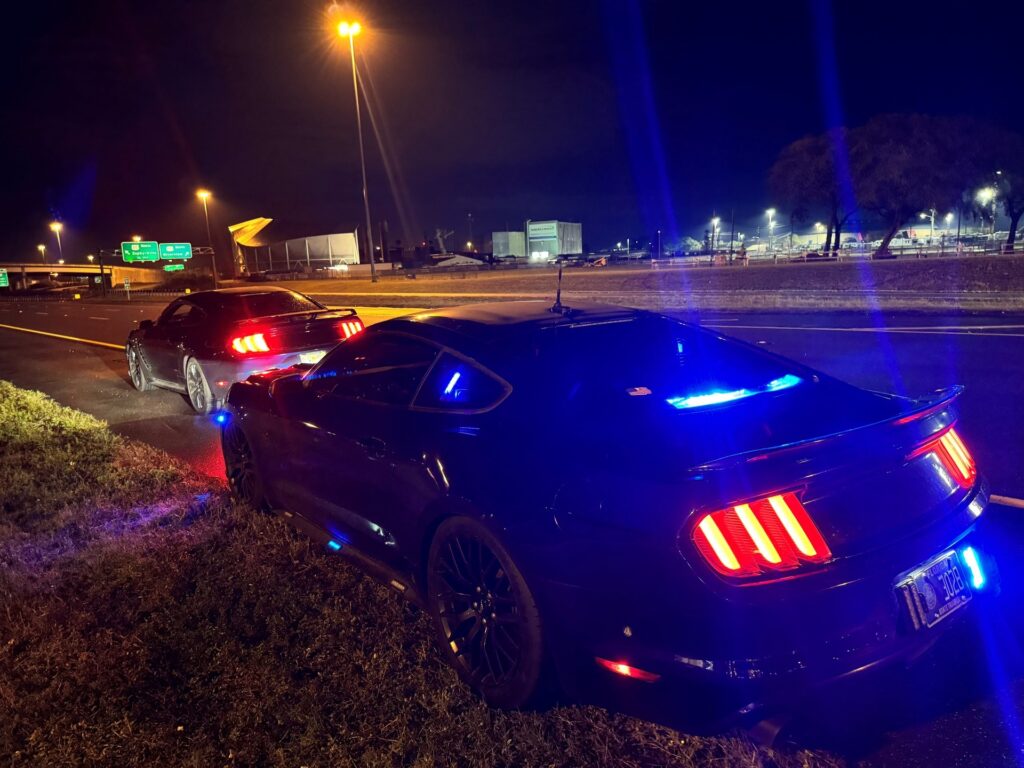
Although Florida’s highway network sometimes resembles a drag-racing strip, that doesn’t make triple-digit speeds legal. One teenager learned this the hard way after his car was recorded at 154 miles per hour (248 km/h). The police caught up with him, stopped the car, and sent the driver straight to jail.
Chase in a Mustang
According to the Florida Highway Patrol, at 1:30 a.m., patrol officers noticed a Ford Mustang traveling eastbound on I-4 in Hillsborough County. The car was already moving at approximately 95 mph, maneuvering between traffic lanes and changing lanes without signals. The situation escalated when a patrol car pulled up behind it. Instead of slowing down, the driver reportedly pressed the gas pedal even harder.
Problems at Triple-Digit Speed
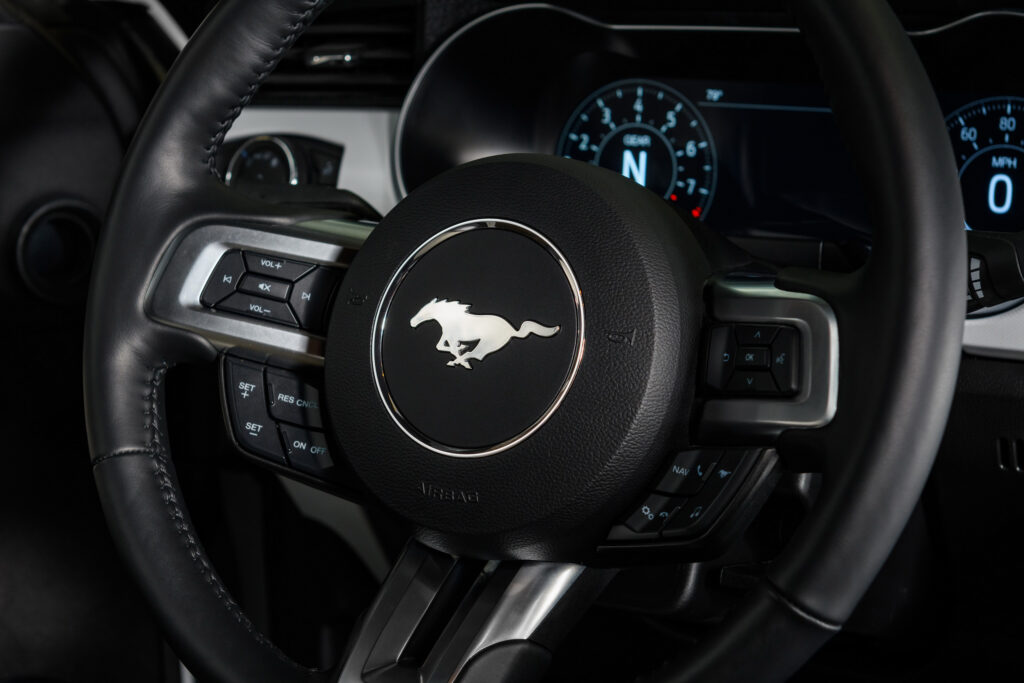
The patrol reported that the Ford accelerated to 154 mph, indicating the driver’s determination to escape. The S550 Mustang model he was driving has an electronic speed limiter set at 155 mph. In other words, he squeezed the maximum out of the car, but the police still caught up with him. And no, it didn’t happen because of a crash or because “the radio was faster.”
This happened because the pursuing officer also had a Mustang GT.
According to Fox 13, the alleged speeder, a 19-year-old youth, reportedly stopped as soon as the patrol officer activated the emergency lights.
He now faces charges of reckless driving and dangerous speeding. Thanks to the “super-speeder” law passed in Florida last year, he faces up to 30 days in jail, a $500 fine, both penalties combined, or potentially more if this is not his first offense.
Public Reaction
While such speed is clearly undesirable on public roads, public reaction to the Florida Highway Patrol’s actions has been mixed. Some pointed out that drivers who drive slowly are just as dangerous.
The Highway Patrol needs to start pulling over people who drive 10-20 mph SLOWER than the speed limit. Statistics show that drivers who drive significantly slower cause as many accidents as those who drive significantly faster.
You need to enact a “slow-speeders” law and pull people over for impeding traffic flow by not moving out of the left lane… traffic jams are most often caused by human factors.
Others questioned the decision-making of the officer in the Mustang.
For such speed, a helicopter should have been used. If the police officer accelerated to 160 to catch up, he should also be pulled from the car. We don’t need two fools racing at that speed on the highway.
Suffice it to say, while the case against the teenager may be open and shut, public opinion on police policy remains a subject of debate.
This case vividly illustrates how new strict laws, such as the “super-speeder” law, are beginning to be applied in practice, often from their very first days of effect. It also raises broader questions about road safety, where extreme speed is only one part of the problem. Discussions on social media and in comments show that many drivers consider those who disrupt traffic flow by driving too slowly or hogging the left lane to be no less dangerous. The Mustang incident is likely to become a test case for law enforcement agencies, demonstrating their ability to counter such challenges while sparking debates about high-speed pursuit methods and the allocation of resources for road safety.