 by
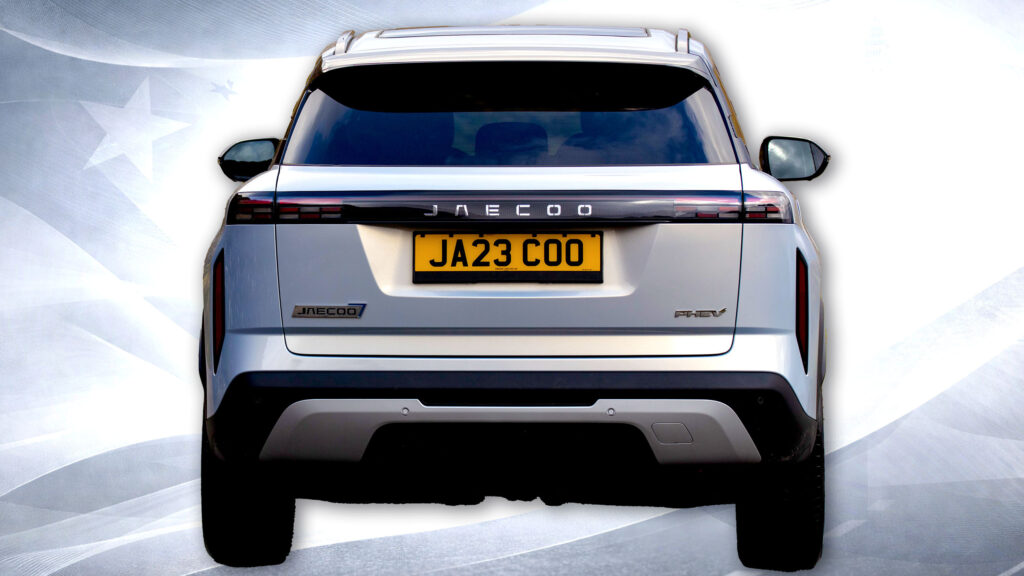
by A Chinese car resembling a Range Rover is becoming extremely popular among buyers in the UK. The Jaecoo 7 model sold better last month than the Mini Cooper and Tesla Model 3. This Evoque-like SUV received low ratings in road tests but costs £14,000 (or $19,000) less than the original.
Chinese Cars Are Capturing the British Market
The situation in the UK could be indicative for Canada, which recently signed a deal with China regarding electric vehicles. Currently, one in ten new cars purchased in Britain is Chinese. This is twice as many as a year ago. Notably, the buyers’ favorite model strongly resembles one of the most famous cars exported from Britain itself.
The Jaecoo brand from Chery was practically unknown to British buyers just a year ago, but its rise has been rapid. By the end of 2025, Jaecoo sold 28,000 cars, capturing 1.4% of the market and surpassing well-known brands such as Honda, Citroen, and Porsche.
Success of the Jaecoo 7 Model
The brand’s most popular model, the Jaecoo 7 SUV, became the sixth best-selling car in the country in December. It surpassed demand for the new Mini Cooper, Tesla Model 3, and Nissan Juke. It also outperformed another Chinese car, the MG HS, which, however, has the advantage of being a British brand familiar to drivers.
It is worth noting that in China, the same model is sold under the Chery brand and has different names depending on the powertrain: Tansuo 06, Tiggo 7 High Energy, and Fulwin T6.
Opinions of Buyers and Experts Diverge
The model’s success is even more impressive given that it received low ratings in road tests. The authoritative British publication What Car? rated it only two out of five stars, recommending readers “avoid.” Other well-known automotive magazines and websites came to similar conclusions.
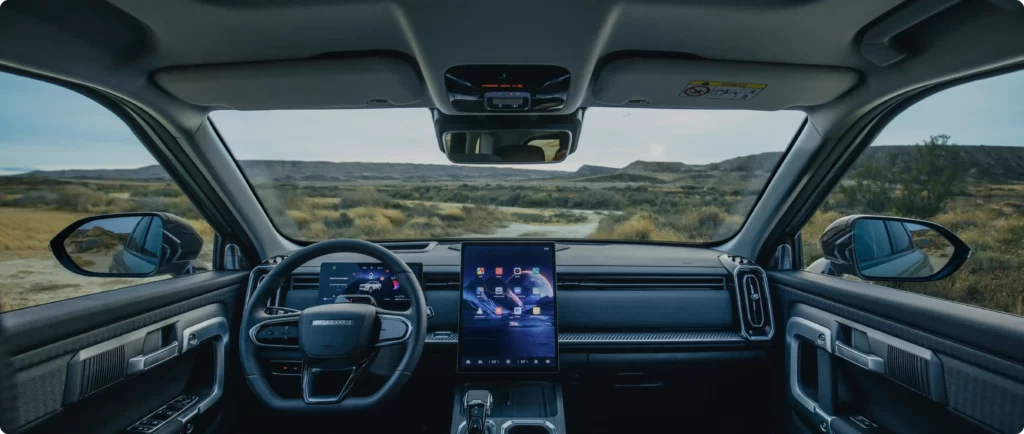
How then to explain the demand? The manufacturer emphasizes the modern interior, rich standard equipment, and long, seven-year warranty, which is twice as long as the offers of many competitors. What Car? acknowledges these advantages but criticizes the handling, dynamics, infotainment system, and overly paternalistic safety systems.
An Affordable Alternative to a Premium Brand
However, for most buyers, one of the main advantages is the ability to get a car very similar to the Range Rover Evoque but significantly cheaper. The price difference is about £14,000. The real Range Rover Evoque, unlike the Jaecoo 7, does not make it into the top ten best-selling models.
As Bloomberg notes, this SUV is so famous for its affordable “luxury” aesthetic that social media users have nicknamed it the “Temu Range Rover.” This references both the similarity to the original and the type of goods the Chinese marketplace is famous for.
Technical Specifications and Prices
The base version of the Jaecoo 7 is equipped with a modest 1.6-liter petrol engine producing 143 hp. With a starting price from £30,115, it offers a lot of car for the money. The entry-level petrol Range Rover Evoque has only slightly more power—158 hp—but costs £44,755. Jaecoo also offers the 7 model in a plug-in hybrid version for £35,165, and the newer, smaller but similarly styled Jaecoo 5—from £24,505, or from £27,505 in the electric version.
Prospects for Chinese Brands
At such prices, it’s no wonder Brits are willing to put up with not the most flattering expert reviews. And with such sales volumes, it’s no wonder Chery is rumored to be considering building a plant in the UK. However, Jaecoo is far from the only Chinese brand actively conquering the market. For example, BYD now controls 2.5% of the British car market. Chinese automakers are quickly changing the rules of the game, and Canada may soon have to see this for itself.
The rapid rise in popularity of brands like Jaecoo indicates profound changes in the global automotive market. Buyers increasingly value the price-to-appearance ratio, sometimes preferring affordable imitations of premium brands over the originals. This trend is forcing traditional manufacturers to reconsider their strategies, especially in the affordable crossover segment. The success of Chinese cars in Europe could also become a catalyst for production localization, which would contribute to the creation of new jobs but simultaneously intensify competition for local companies.