 by
by Growing Demand for ICE Vehicles
The automotive industry’s transition to electric vehicles was not expected to be problem-free, but recent shifts in buyer sentiment indicate that this transition may be encountering more resistance than anticipated. According to a new study, a growing number of car buyers are once again leaning towards choosing vehicles with internal combustion engines, altering some of the momentum that electric vehicles have gained in recent years.
A report from the professional services firm EY indicates that the adoption of electric vehicles worldwide is slowing down, partly due to policy changes, such as those recently adopted in the United States.
Among consumers planning to buy a new or used car within the next 24 months, about half now state that they intend to purchase a vehicle with an internal combustion engine. This represents a 13 percent increase compared to last year, marking a sharp turn in consumer preferences.
Declining Interest in Electric and Hybrid Vehicles
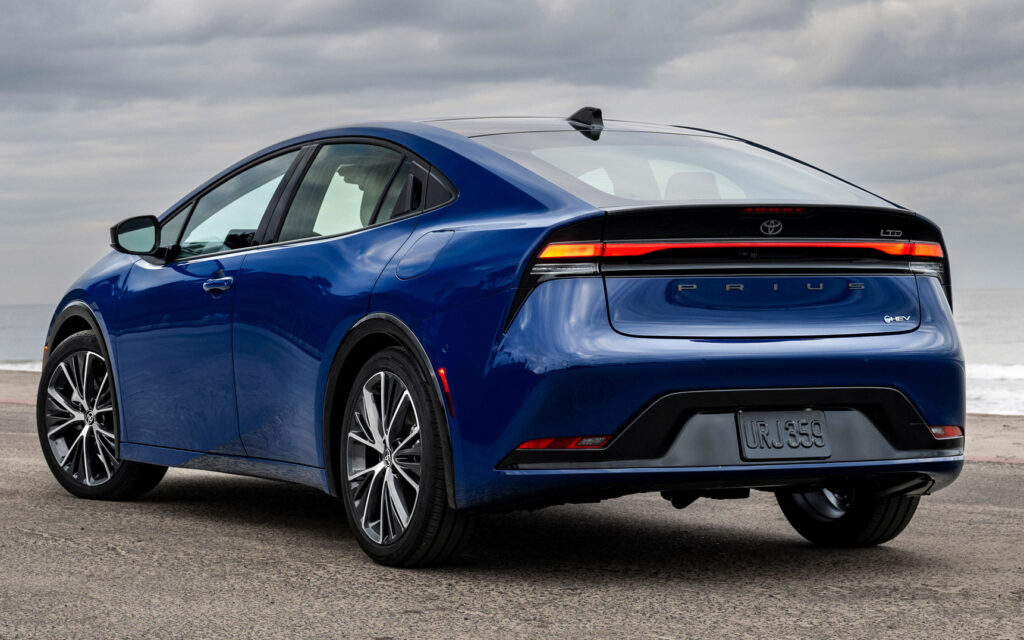
This is not the only unexpected finding from this study. The EY report also notes that the desire of new and used car buyers to purchase a battery electric vehicle has fallen by 10 percent, accounting for only 14 percent overall.
The outlook for hybrid models is not very bright either. Interest in these models has decreased by 5 percent and now stands at 16 percent. And among those still considering the possibility of buying an electric vehicle, more than a third, or 36 percent, state that they are either reconsidering their decision entirely or planning to postpone the purchase, citing geopolitical events as a primary factor.
There is a possibility that this trend will continue. Less than a year after the start of President Trump’s second term, several policy changes that are more favorable to vehicles with internal combustion engines have already been implemented. These measures are expected to impact both consumer behavior and automaker production in the coming years.
Policy Changes Take Effect

Earlier this month, CAFE standards were officially repealed, opening the door for automakers to produce more models with internal combustion engines. Automakers argue that this aligns with actual consumer demand, stating that Americans still largely prefer these vehicles over their electric counterparts.
A similar realignment is being observed in Europe. Two years ago, the European Union announced plans to effectively ban the sale of new internal combustion engine cars by 2035.
However, this ban now appears increasingly likely to be softened, opening the door for hybrid models and internal combustion engine cars using e-fuels to be sold after 2035. This will undoubtedly have a significant impact on electric vehicle sales across the region.
This data points to the complex and non-linear nature of the global transition to electric vehicles. Demand is shaped not only by technological capabilities and environmental awareness but also by economic factors, government policy, and the geopolitical situation. The growing interest in traditional engines may be a temporary reaction to uncertainty, but it may also indicate deeper issues, such as the availability of charging infrastructure, the cost of electric vehicles, and their lifespan. The future of the automotive industry is likely to be more diverse than anticipated, with the parallel existence and development of various types of powertrains for a long time to come.