 by
by Why a Small Detail Became a Big Problem
Using shared components across many models allows automakers to save enormous amounts of money, but it can also turn one flawed little part into a real headache. Mercedes reminded us of this this month by announcing the recall of 310,667 vehicles in the U.S. due to a faulty driver’s door switch that could potentially allow the car to roll after passengers have exited.
What the Defect Is
The cause is a microswitch in the driver’s door lock. Mercedes reports that a supplier’s design error caused some switches to receive housing materials that, under certain climatic conditions, can allow moisture to enter. If given enough time, moisture causes corrosion and eventually renders the switch inoperative.
Related topic: Mercedes dealer said “extended test drive,” but the court said “that will be $20,270”
The doors themselves still lock and unlock normally. The problem is that the car may not recognize that the driver has opened the door. If this happens, the electronic parking brake or the automatic parking function tied to door opening may not engage automatically, leaving the vehicle unprotected and potentially able to roll away without you, or even onto you.
Which Models Are Affected
The recall covers a significant portion of Mercedes’ lineup. It includes the 2019–2022 A-Class, 2020–2021 CLA, 2022–2023 C-Class, 2024 CLE, 2020–2026 GLA and GLB, and 2023–2024 GLC, including various AMG and 4Matic versions. That is essentially all of the brand’s compact models.
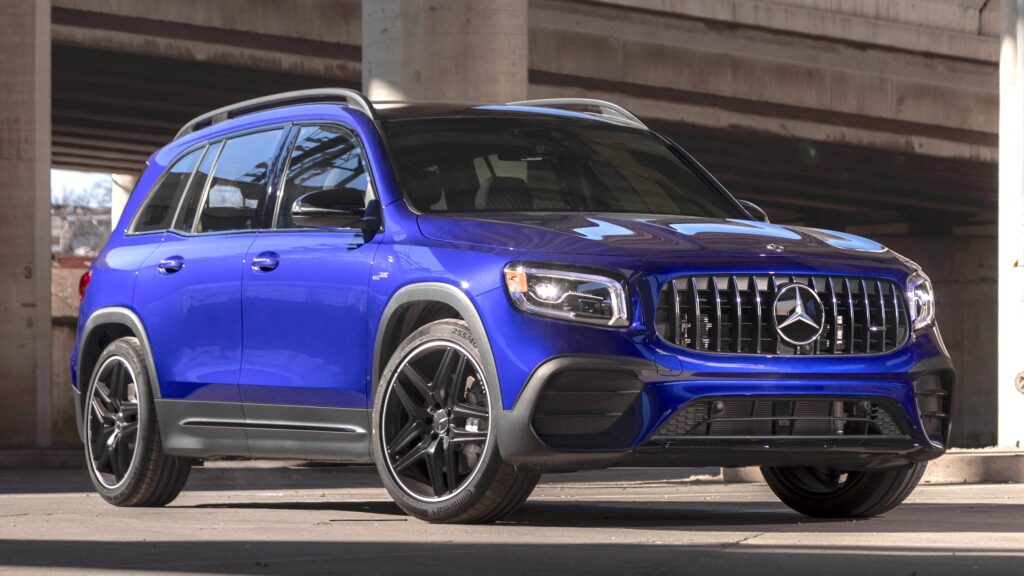
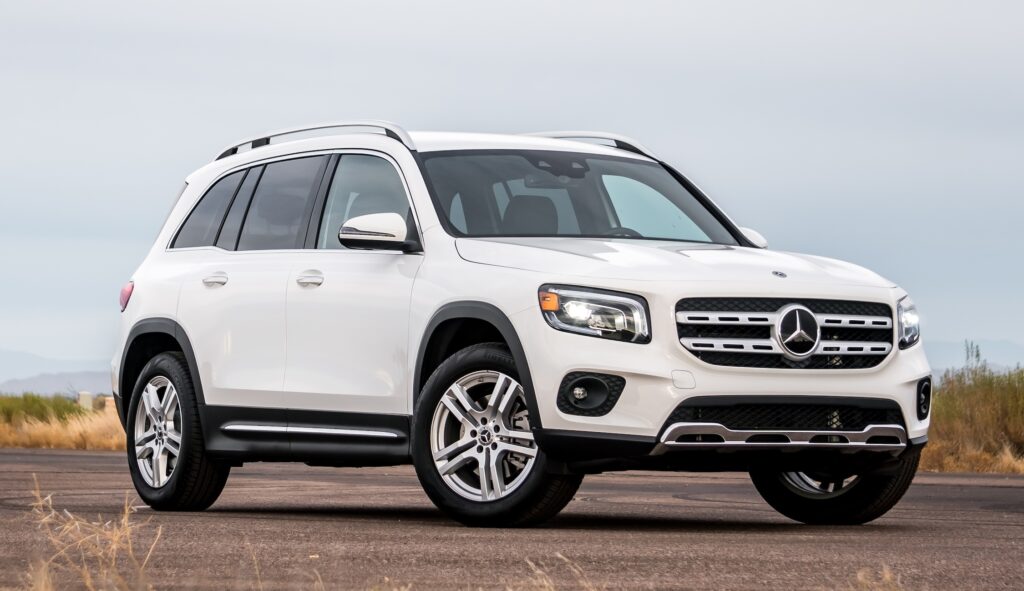
Some models are represented in much larger numbers. For example, the 2020–2026 GLB 250 4Matic accounts for 71,696 vehicles, and another 56,879 front-wheel-drive GLB 250s are also on the list. For comparison, only one 2024 AMG CLE 53 coupe appears in the documents.
Radio, Lights, Won’t Turn Off
Mercedes first encountered complaints related to these switches between 2021 and 2024. Specifically, passengers reported that the radio or lights would not turn off automatically after exiting. The investigation eventually found that the issue was moisture ingress into the microswitch, with humidity, heat, and condensation increasing the likelihood of failure.
Fortunately, Mercedes reports that it is not aware of any rolling incidents in the U.S. related to this defect, although such cases have occurred abroad. The brand recorded 176 cases in the U.S., but all involved less alarming, though annoying, convenience symptoms.
How the Problem Is Being Fixed
The solution is simple, although it may cost owners a few hours of time. Dealers will replace the driver’s door lock free of charge, and changes in the supplier’s production mean that vehicles built after May 20, 2026 should not have this issue.
Full List of Affected Mercedes Models
| Model | Model Years | Number of Vehicles |
| Mercedes A 220 | 2019–2022 | 27,057 |
| Mercedes A 220 4Matic | 2019 | 7,213 |
| Mercedes A 220 4Matic | 2020–2022 | 10,473 |
| Mercedes CLA 250 | 2020–2021 | 6,833 |
| Mercedes CLA 250 4Matic | 2020–2021 | 4,420 |
| Mercedes-AMG CLA 35 | 2020–2021 | 939 |
| Mercedes-AMG CLA 45 | 2020–2021 | 404 |
| Mercedes GLA 250 | 2021–2025 | 22,589 |
| Mercedes GLA 250 4Matic | 2021–2025 | 30,084 |
| Mercedes-AMG GLA 35 | 2021–2023 | 2,932 |
| Mercedes-AMG GLA 35 | 2024–2025 | 134 |
| Mercedes-AMG GLA 45 | 2021–2023 | 1,598 |
| Mercedes GLB 250 | 2020–2026 | 56,879 |
| Mercedes GLB 250 4Matic | 2020–2026 | 71,696 |
| Mercedes-AMG GLB 35 | 2021–2025 | 4,332 |
| Mercedes-AMG GLB 35 4Matic | 2026 | 774 |
| Mercedes C 300 | 2022–2023 | 13,042 |
| Mercedes C 300 4Matic | 2022–2023 | 10,508 |
| Mercedes-AMG C 43 4Matic | 2023 | 321 |
| Mercedes GLC 300 | 2023–2024 | 7,182 |
| Mercedes GLC 300 4Matic | 2023–2024 | 25,944 |
| Mercedes GLC 300 4Matic Coupe | 2024 | 2,797 |
| Mercedes-AMG GLC 43 4Matic | 2024 | 202 |
| Mercedes CLE 300 4Matic Coupe | 2024 | 233 |
| Mercedes CLE 300 4Matic Cabriolet | 2024 | 4 |
| Mercedes CLE 450 4Matic Coupe | 2024 | 205 |
| Mercedes CLE 450 4Matic Cabriolet | 2024 | 2 |
| Mercedes-AMG CLE 53 4Matic+ Coupe | 2024 | 1 |
| Total | 310,667 |
Such a massive recall reminds us how critical quality control is for even the smallest components in modern automotive manufacturing. For Mercedes, this is not only a financial expense to replace the locks but also a blow to its reputation, as the problem is not technically complex yet affects tens of thousands of car owners. While the U.S. market has so far avoided serious incidents, this case may push other manufacturers to scrutinize suppliers of similar parts more thoroughly, as the consequences of a faulty microswitch turned out to be too costly.