 by
by The Japanese automaker Nissan is preparing a large-scale presentation of new products scheduled for April 14, but has already announced an updated version of its popular Sakura electric kei car. The facelift brings a number of changes to the exterior and interior, aimed at maintaining the model’s competitiveness in the dynamic Japanese market.
Updated Exterior Design
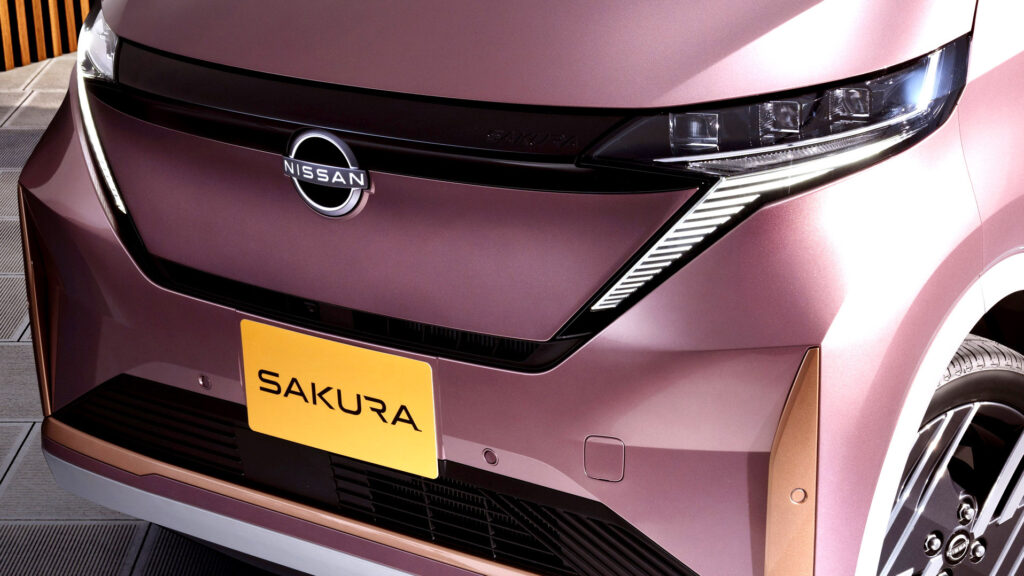
The most noticeable changes affected the front part of the car. The redesign of the front bumper and grille gave the model a more modern look. The central section of the grille is now painted in the body color, visually reminiscent of the solution used in the Nissan Leaf. The side vertical elements of the bumper have become clearer and sharper. At the same time, the LED optics and the lines of the side panels remained unchanged. The rear of the car, judging by the available images, has also remained virtually unchanged.
New Colors and Interior Details
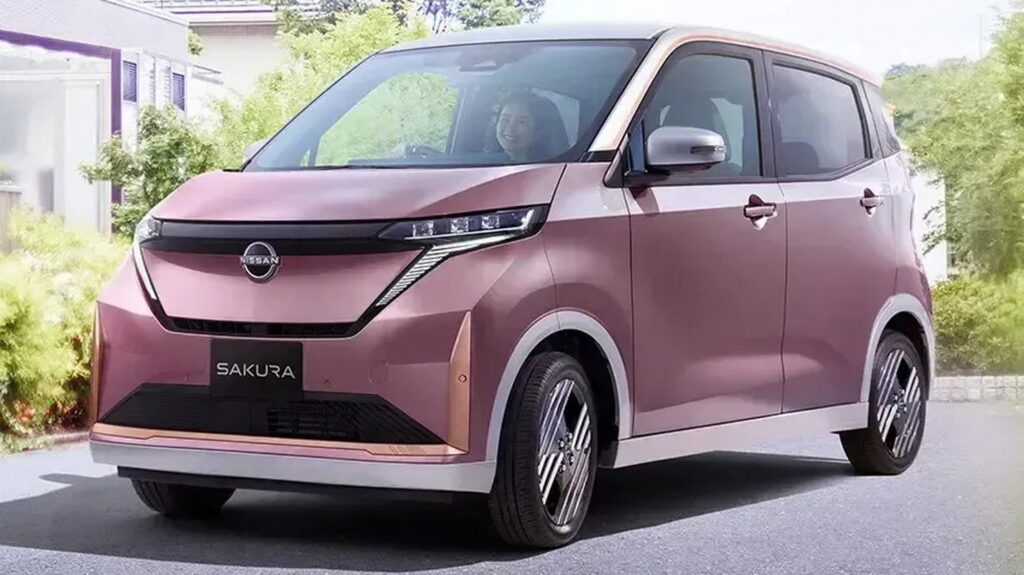
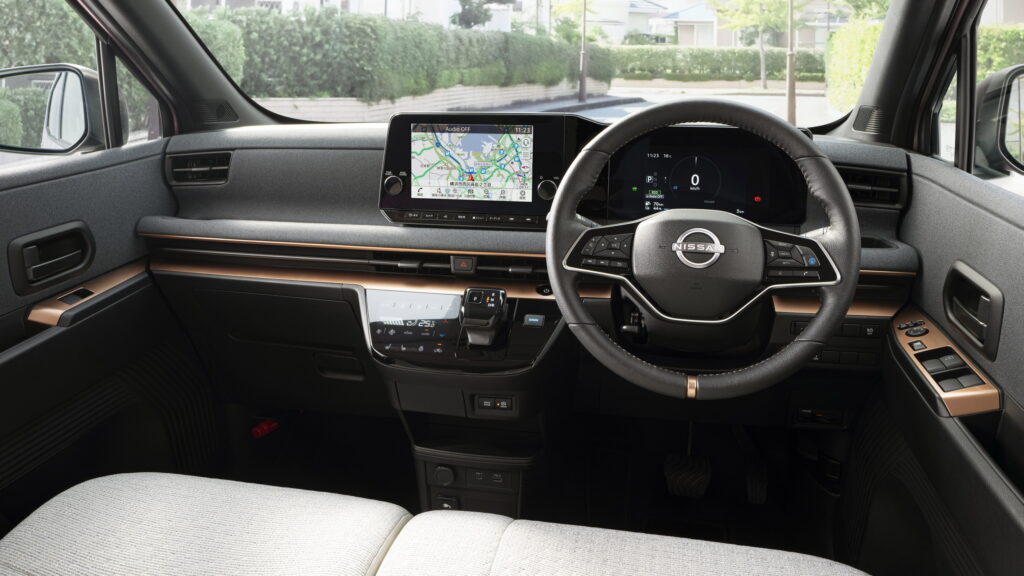
A new shade called “Minamono Sakura,” inspired by the image of blooming cherry blossoms, has been added to the color palette. This is a complex three-color option combining copper and silver accents. There are few changes in the cabin: the main update was the addition of an extra cup holder on the passenger side. Engineers also moved the USB Type-C ports slightly lower in the center console for greater convenience. The 7-inch digital instrument panel and 9-inch multimedia system remained the same.
Technical Specifications and Market Prospects
The technical specifications are expected to remain largely unchanged. The model will most likely retain the electric powertrain with a 63 hp (47 kW) motor and 195 Nm of torque. The 20 kWh battery pack is expected to provide a range of about 180 kilometers in the mixed WLTC cycle. The updated Nissan Sakura is set to go on sale in the Japanese market in the coming weeks. Recall that the current model has been Japan’s best-selling electric vehicle for four consecutive years, with sales exceeding 14,000 units in 2025. Its main competitors remain the Mitsubishi eK X EV, electric versions of the Honda N-One and N-Van, as well as the upcoming BYD Racco.
These updates, although not revolutionary, demonstrate Nissan’s strategy of maintaining the lifecycle of a successful model in a segment where competition is particularly fierce. Preserving the technical foundation allows keeping the price at an accessible level, which is critically important for Japanese urban electric vehicles. The success of the Sakura indicates that even in markets with high purchasing power, there is a steady demand for compact, practical, and affordable electric cars for daily city trips.