 by
by A new Porsche patent could open a new chapter in transmission history, offering the driver a combination of automatic comfort with the feel of a manual gearbox in one system. This idea is not entirely new, as a similar concept has already been implemented by Koenigsegg in its CC850 hypercar. The main question is whether the company can justify the costs of developing and implementing such complex technology in its production cars.
The Decline and Revival of Manuals
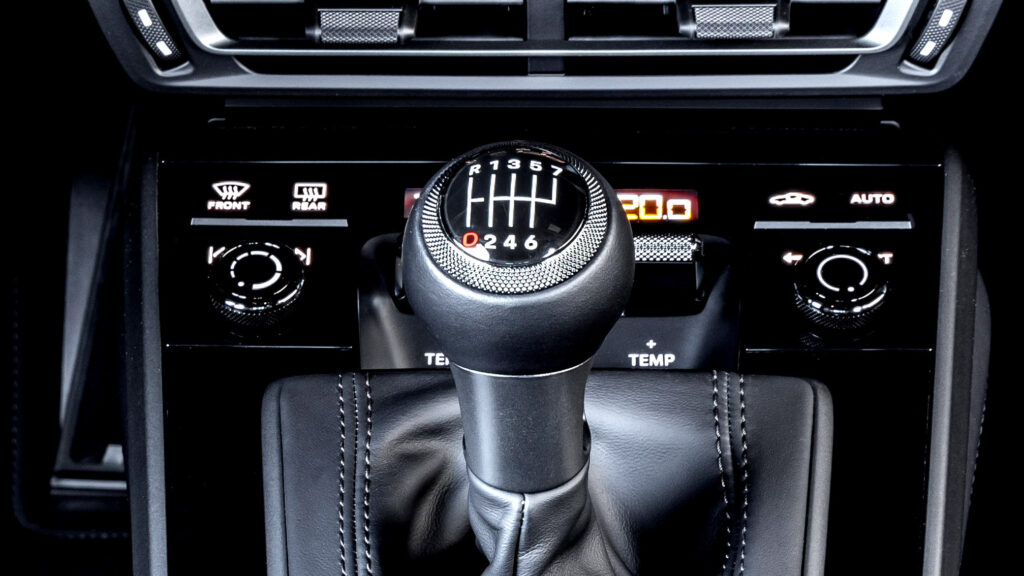
The decline of manual transmissions has been discussed for over a decade. Thirteen years ago, Porsche made the controversial decision to remove the six-speed manual from the 991-generation 911 GT3, offering only the seven-speed PDK dual-clutch transmission. Public reaction was so sharp that the company reversed its position for the updated 991.2 version, bringing back the manual gearbox. Since then, it has remained available not only for the GT3 but also for a range of other 911 models.
Despite a certain revival of interest in manuals in recent years, their future remains uncertain, especially against the backdrop of the overall electrification of the auto industry. However, a recent Porsche patent application indicates that the company is interested in preserving the manual gearbox, potentially combining it with an automatic transmission.
Technology Inspired by Hypercars
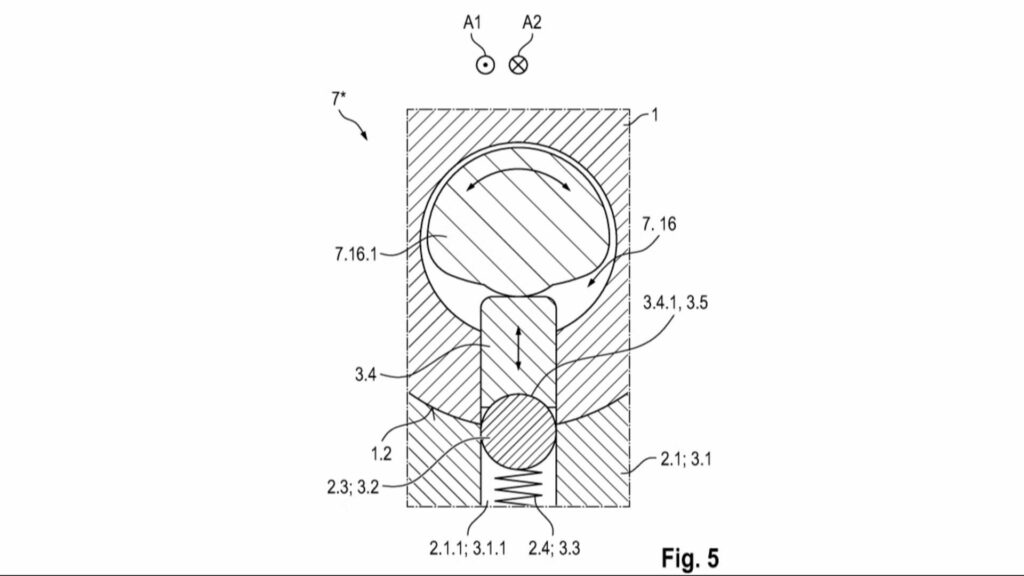
The interesting patent was filed in August 2024 and published only at the beginning of this month. It describes a system similar to the transmission used in the Swedish Koenigsegg CC850 and Chimera hypercars. In these cars, the selector can be moved into Drive mode, and the gearbox operates like a regular automatic. However, drivers can also activate a six-speed manual mode with a clutch pedal and a gated shifter.
Porsche’s system could include Drive, Neutral, and Reverse in automatic mode, selected by moving the lever forward and backward, Carbuzz notes. For those seeking a more engaging experience, the lever could be shifted into a dedicated H-pattern mode, functioning like a traditional manual transmission.
Engineering and Commercial Challenges
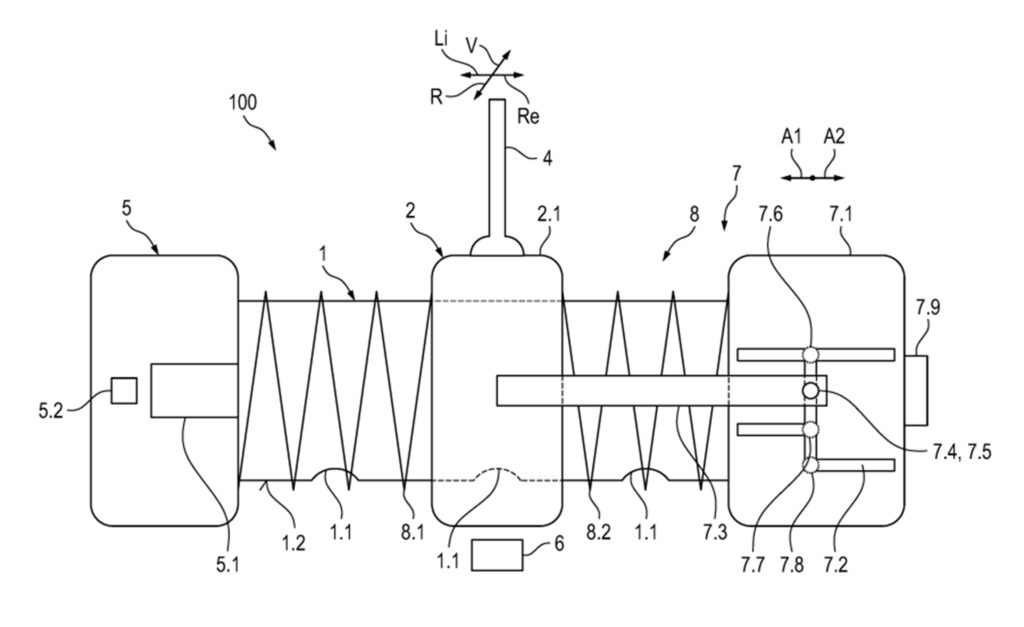
Developing such a transmission is complex and expensive. In Koenigsegg’s case, the system works thanks to the brand’s own development—a gearbox with six individual clutches and three shafts, as well as sophisticated electronic systems that make the clutch pedal and shift lever feel like those used in a conventional manual.
Porsche engineers are undoubtedly capable of creating something similar. The real challenge is to make this solution viable beyond niche application. Koenigsegg can cover the high engineering costs through the prices of million-dollar hypercars, where complexity itself is part of the appeal.
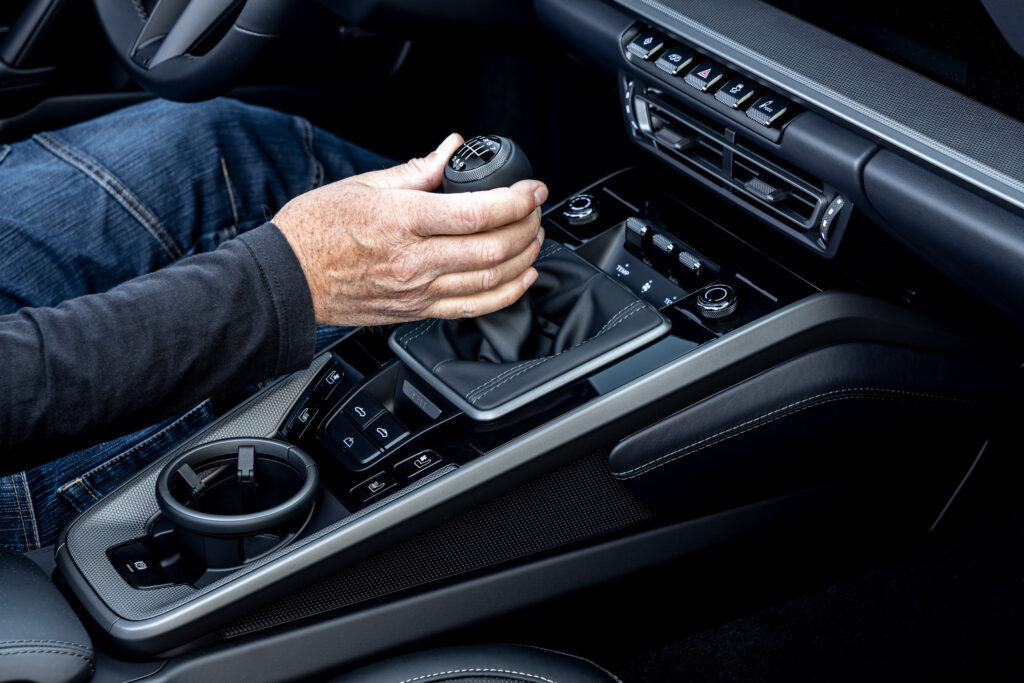
Porsche, in contrast, needs such a transmission to make sense in a more accessible model range with much stricter price constraints. This is a much more difficult task, considering how proven and refined the company’s current manual gearboxes and PDK already are.
On the other hand, since some Porsche customers categorically insist on having a manual, while others prefer the convenience of PDK, perhaps the engineers from Weissach have found a way to satisfy both groups.
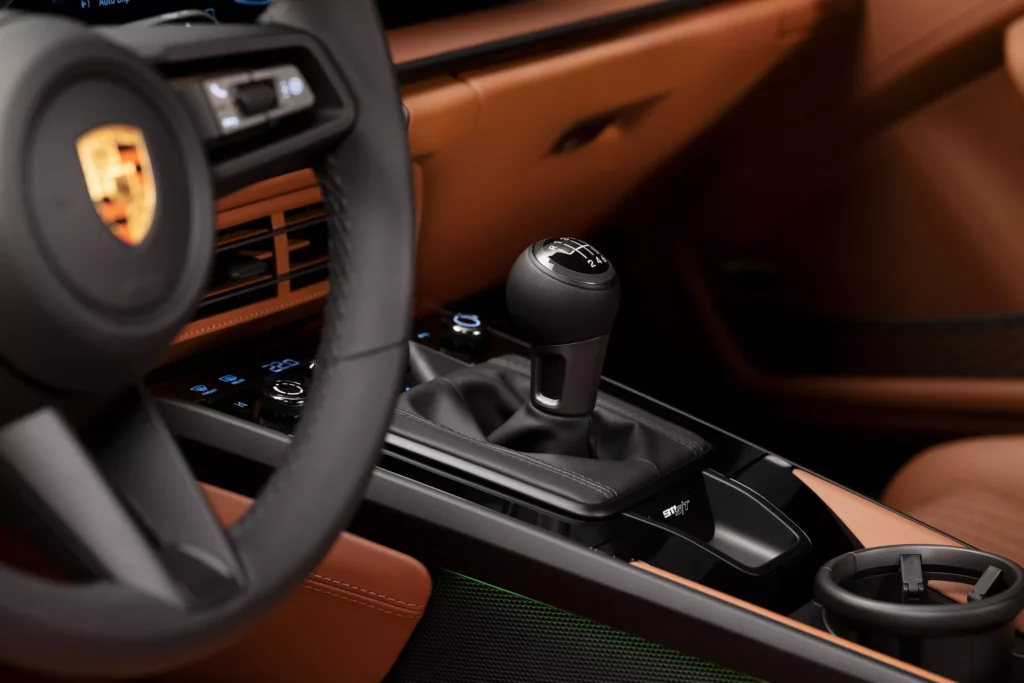
The patent demonstrates Porsche’s desire to find a technological compromise at a time when the choice between emotion and efficiency is becoming increasingly acute. The success of such an initiative will depend not only on engineering prowess but also on the company’s ability to offer a solution that is technologically advanced, emotionally convincing, and commercially viable for its buyers. It could become a kind of bridge between tradition and the future, especially for iconic models like the 911.