 by
by Overturning the Billion-Dollar Verdict
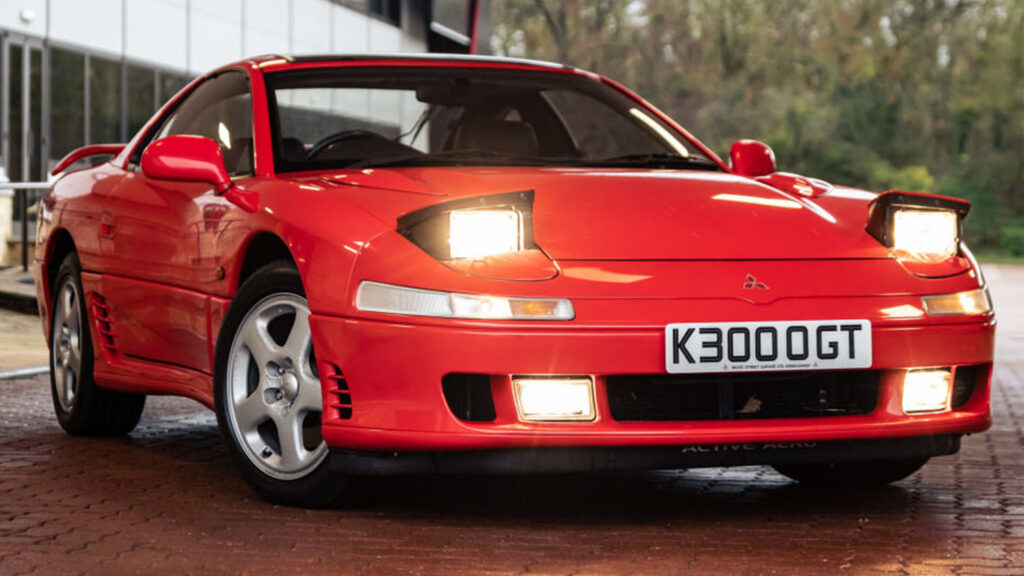
A Pennsylvania court has just overturned one of the largest product liability verdicts against an automaker in recent times, nullifying a jury’s decision that Mitsubishi must pay over a billion dollars in damages. The case stems from a 2017 accident involving a 1992 Mitsubishi 3000GT, which left the driver, Francis Amagasu, paralyzed from the neck down.
The accident occurred in November 2017 when Amagasu, driving his 3000GT in Pennsylvania, attempted to pass another car. He lost control, veered off the road, and hit three trees. The car rolled over, and although the driver was wearing a seatbelt, his head struck the roof, causing catastrophic spinal injuries.
The Family’s Claim and the Jury Verdict
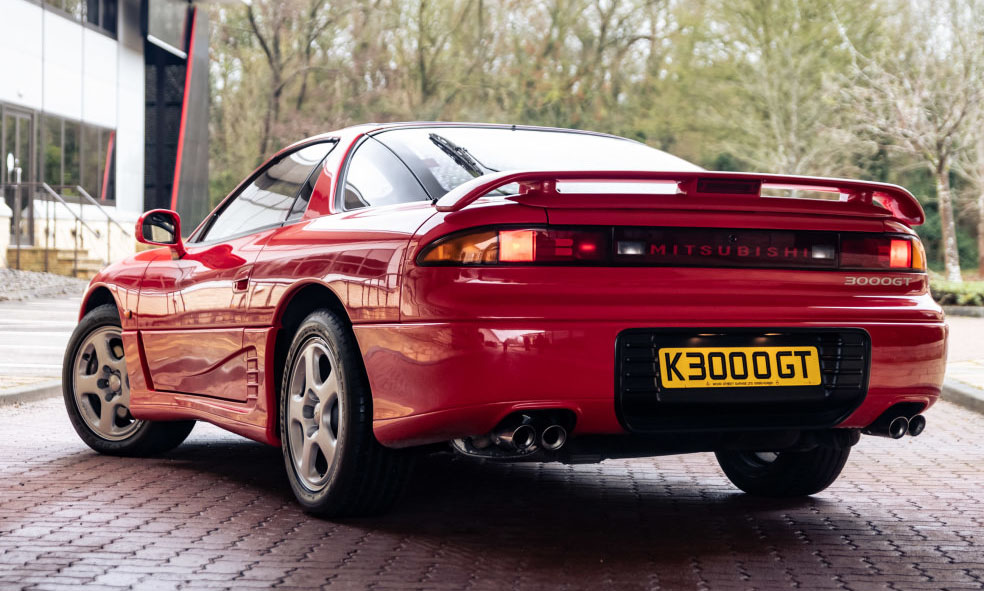
His family filed a lawsuit against Mitsubishi, alleging that the seatbelt system was defective and the roof design was dangerously low. They claimed the car failed to provide adequate protection in a rollover, even though the 3000GT met or exceeded federal safety standards at the time of its manufacture.
Despite this, the jury ruled in favor of the family and awarded them a staggering $1,009,969,395.32 in damages.
This figure included over $156 million in compensatory damages, allocated as $925,477 for past medical expenses, $12.5 million for future care, $2.2 million in lost wages, $20 million for past non-economic damages, and another $120 million for long-term suffering. Additionally, the jury imposed $800 million in punitive damages on Mitsubishi, according to court documents.
Appeal and New Trial
Mitsubishi quickly appealed. Earlier this month, the Pennsylvania Superior Court ruled in its favor, overturning the initial verdict and ordering a new trial.
The appellate court found that the jury did not receive proper instructions during the trial and was never asked to consider whether Amagasu’s injuries would have been less severe if the car’s design had been safer.
Without a jury instruction that accurately explained how to consider this evidence, the trial court failed to “explain to [the jury] the law” and how they “must decide the case by applying the court’s instructions to the evidence presented,” the appellate court stated.
With the verdict overturned and the case remanded for a new trial, the legal battle is far from over. The family will now likely have to re-litigate the claim and go through another round of potentially lengthy and costly court proceedings.
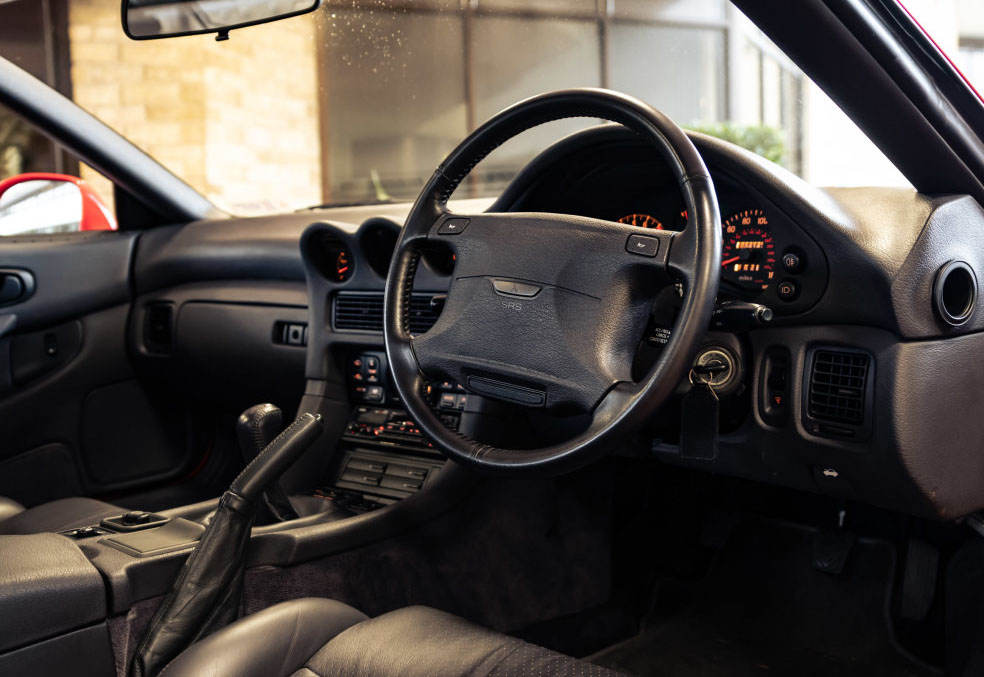
This case raises complex questions about manufacturer liability for cars produced decades ago, which met the standards of their time but may be viewed as unsafe by modern safety perceptions. It also illustrates how critical procedural aspects of a trial, such as the wording of jury instructions, can dramatically alter the outcome even in a case involving such colossal sums. The final decision could set an important precedent for similar lawsuits in the future, defining the limits of liability for design features of older vehicles.