 by
by Xiaomi’s Rapid Growth in the Electric Vehicle Market
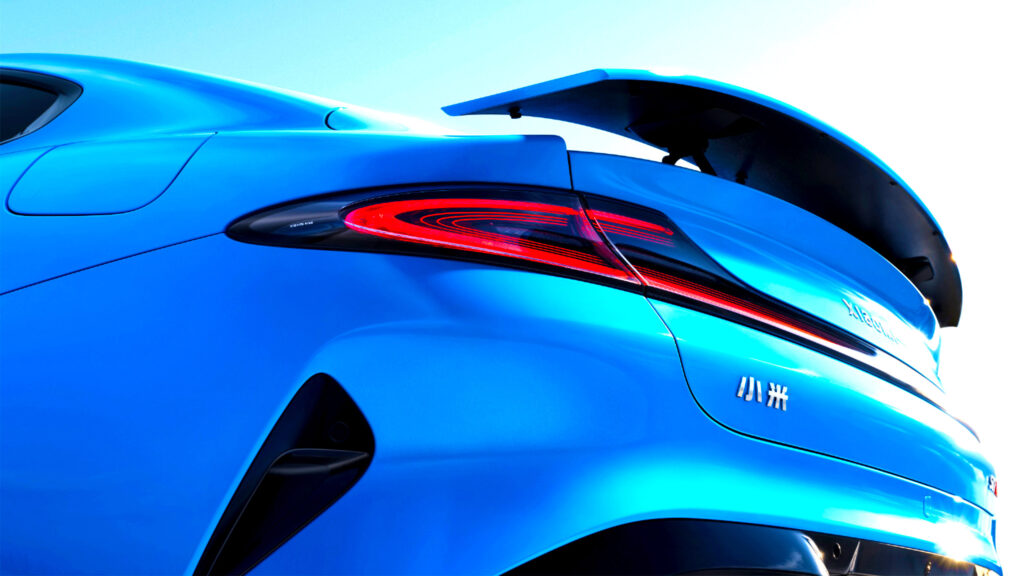
Xiaomi has quickly established itself as a serious automaker in China. Last year, it achieved a result that would have seemed unlikely just a few years ago: its fully electric sedan, the SU7, outsold the Tesla Model 3.
Tesla, once the primary choice for Chinese consumers seeking electric vehicles, is now yielding ground to local competitors who are rapidly improving their products. Xiaomi is leading this race.
Compelling Sales Figures
Data from the China Passenger Car Association shows that in 2025, Xiaomi sold 258,164 units of the SU7. This is almost double the approximately 135,000 cars sold in 2024, which is even more impressive considering the SU7 was only launched in April of that year.
More importantly, it surpassed the Tesla Model 3, which received 200,361 orders during the same period.
What Drives Buyers to Choose Xiaomi?
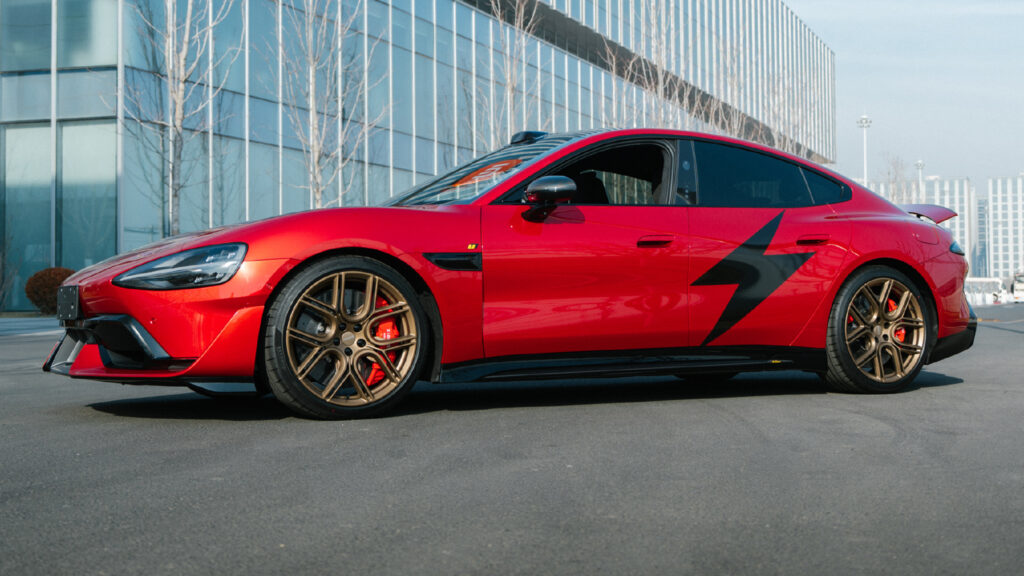
Chinese buyers have embraced not only the SU7’s design but also its technology and performance. The base version, according to reports, costs about 9 percent less than the comparable Model 3, giving it a clear price advantage. A long driving range and well-equipped features complete the picture, allowing the SU7 to compete in a segment once dominated by Tesla.
Tesla’s dominance in the premium electric vehicle segment has been undermined by its Chinese competitors, who are capable of producing cars that meet its technological standards while offering them at lower prices. Xiaomi’s success is a strong boost for Chinese automakers, all of whom are trying to move up the value chain.
Plans and Updates for 2026
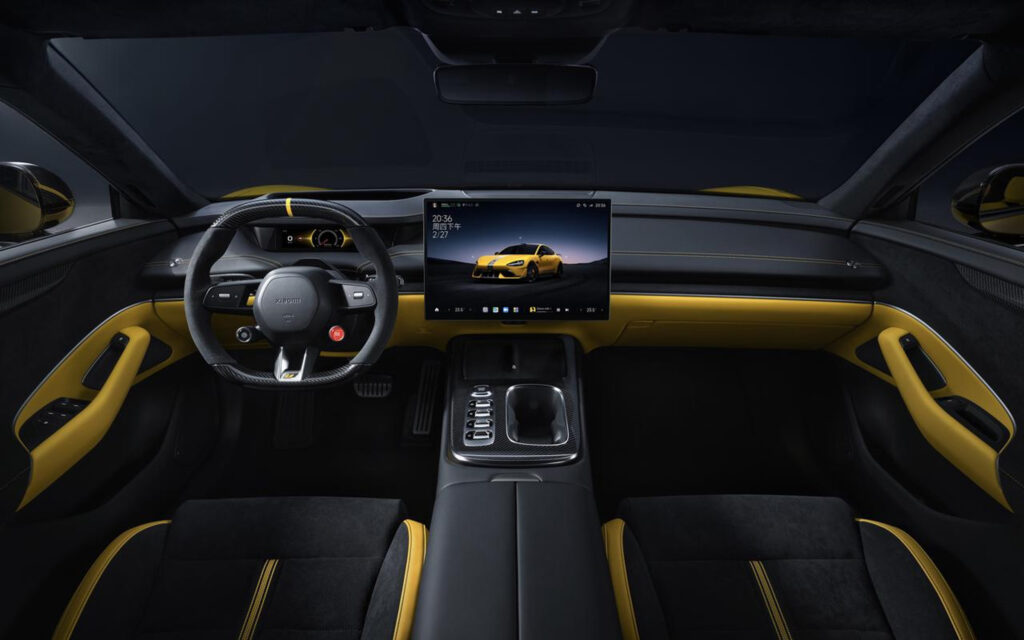
This year could bring even more for Xiaomi. An updated version of the SU7 will be launched in April, featuring more advanced driver-assistance functions, including lidar for the entire lineup, and an improved range of up to 902 km in the CLTC cycle. Within the first 15 days of opening pre-orders, Xiaomi reportedly received 100,000 reservations for the updated model.
Overall, last year Xiaomi sold 411,800 cars and plans to sell 550,000 in 2026. This year will also be the first full year of availability for the YU7 SUV, which could become the brand’s most popular model. Back in October, the YU7 showed sales of 33,662 units in a single month, even slightly surpassing the Tesla Model Y. The company’s third model, the YU9, will also debut this year as a range-extender electric vehicle.
Xiaomi’s success highlights the dynamic shifts in the global electric vehicle market, where traditional leaders are facing innovation and aggressive pricing from new players. The ability of Chinese manufacturers to rapidly implement cutting-edge technologies and offer them at competitive prices is shaping a new reality where consumers get more choice and better products. This trend is likely to continue gaining momentum, forcing all market participants to constantly improve.