by
by A Rocky Start for the Electric Charger
The electric Dodge Charger Daytona arrived with high expectations but also significant skepticism. Critics immediately pointed to its departure from the raw charm of its gasoline predecessor, and online it became an easy target for jokes. Sales also failed to match the figures of the old Charger model. However, despite the cold reception, the Daytona is far from the worst-selling model in the Stellantis lineup.
Incentive Sensitivity and Sales Drop
The final sales figures for Dodge in 2025 show that 7,421 Charger Daytona units were sold in the US. This is not zero, but the numbers sharply declined towards the end of the year. After losing the federal electric vehicle tax credit, only 346 cars were sold in the last quarter, a sharp drop that proves how much demand for electric vehicles still depends on incentives.
Sales plummeted towards year-end. With the loss of the federal EV tax credit, only 346 were sold in the last quarter.
Hopes for New Gasoline Models
The arrival of the six-cylinder Dodge Charger Sixpack in sedan and coupe body styles is expected to help boost overall sales of the new muscle car. Dodge reports that in the last quarter they delivered 273 gasoline Chargers, and 2,141 for the year. However, it’s unclear how many of these were the new model and how many were leftover previous-generation cars still sitting on dealer lots.
Overall Brand Decline and Loss of Key Models
Surprisingly, the Charger Daytona numbers might be the most promising part of Dodge’s performance this year. The brand’s total sales fell 28 percent, dropping from 141,730 to 101,927 units. A significant portion of this decline is linked to the discontinuation of the old Charger and Challenger, which had long been the backbone of the model range.
The Hornet Model’s Failure
The real burden was the Dodge Hornet. Positioned to break into the profitable compact crossover segment, it instead showed a 54 percent drop, reaching only 9,365 units for the year. This is a serious blow in a category where brands typically count on volume.
The Situation of Other Stellantis Brands
However, Dodge is not the gloomiest story inside Stellantis at the moment. Fiat and Alfa Romeo had an even tougher year. Fiat managed to sell only 1,321 cars in the US in 2025, down 14 percent. The fourth quarter was particularly bleak: only 84 vehicles were sold nationwide. That is not a typo.
The fourth quarter was particularly bleak: only 84 vehicles were sold nationwide. That is not a typo.
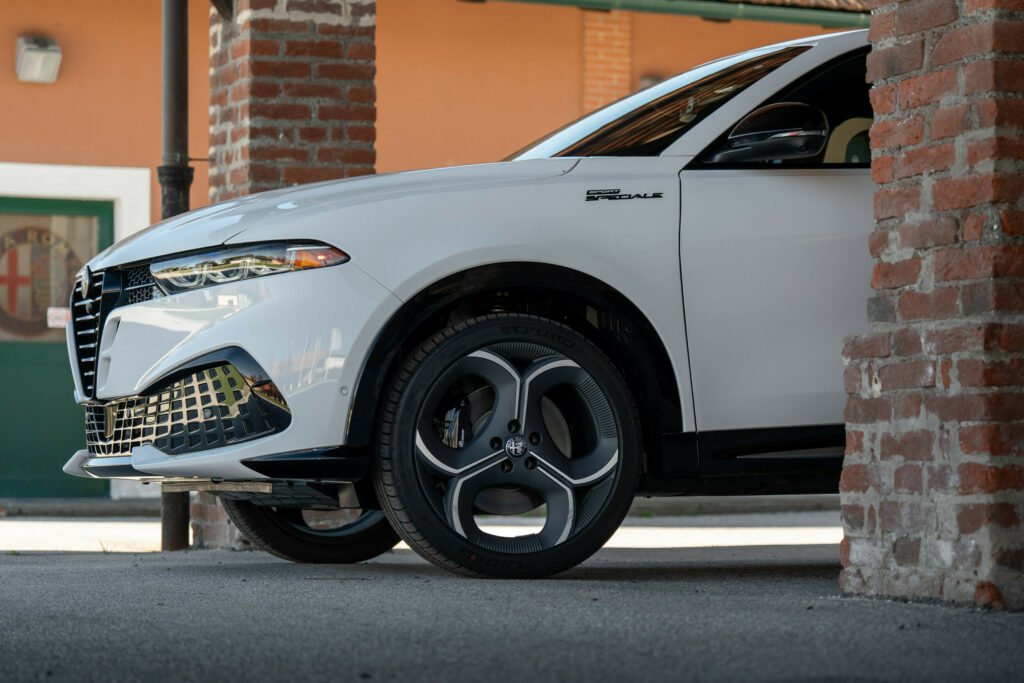
Alfa Romeo also had a rough road. Sales fell 36 percent, from 8,865 to 5,652. Deliveries in the fourth quarter contracted even more sharply, falling 57 percent to 874 units. With delays for the successors to the Giulia and Stelvio, it’s unclear where Alfa goes from here or how long it can continue to exist without fresh models available.
Context Within the Conglomerate
So, while the Charger Daytona may have disappointed purists and confused loyalists, it has already outsold both brands—Fiat and Alfa Romeo—combined (6,973 units). In the broader context of Stellantis’s year, this can be considered a victory. With certain caveats.
Stellantis US Sales Data for 2025
The overall picture of Stellantis US sales for 2025 shows mixed results. The Jeep brand showed a slight 1% increase, mainly due to strong performance by the Wrangler and Gladiator. Ram maintained stability in pickup truck sales, despite an overall slight 2% brand decline. Chrysler showed growth thanks to the Pacifica minivan. The greatest difficulties, as seen from the data, are experienced precisely by Dodge, Fiat, and Alfa Romeo, indicating strategic challenges for these brands in the competitive American market. The future of these brands, especially Alfa Romeo with its delayed new models, causes the greatest concern in the conglomerate’s portfolio.