 by
by Volkswagen’s Return to the Super Bowl
Volkswagen has announced its return to the Super Bowl’s advertising slots with its first ad in two years. This move comes against the backdrop of a significant drop in the brand’s sales in the US, prompting the automotive giant to reboot its legendary campaign called “Looking for Drivers.”
Details of the New Advertising Campaign
The new 30-second ad titled “The Big Invitation: Looking for Drivers” is set to air during the second half of the game. The campaign is positioned as an update of the classic idea that first appeared back in the 1990s. The ad will feature a range of the company’s models, including the Jetta, Taos, Tiguan, the electric ID. Buzz, and the Golf GTI.
Content and Concept of the Ad
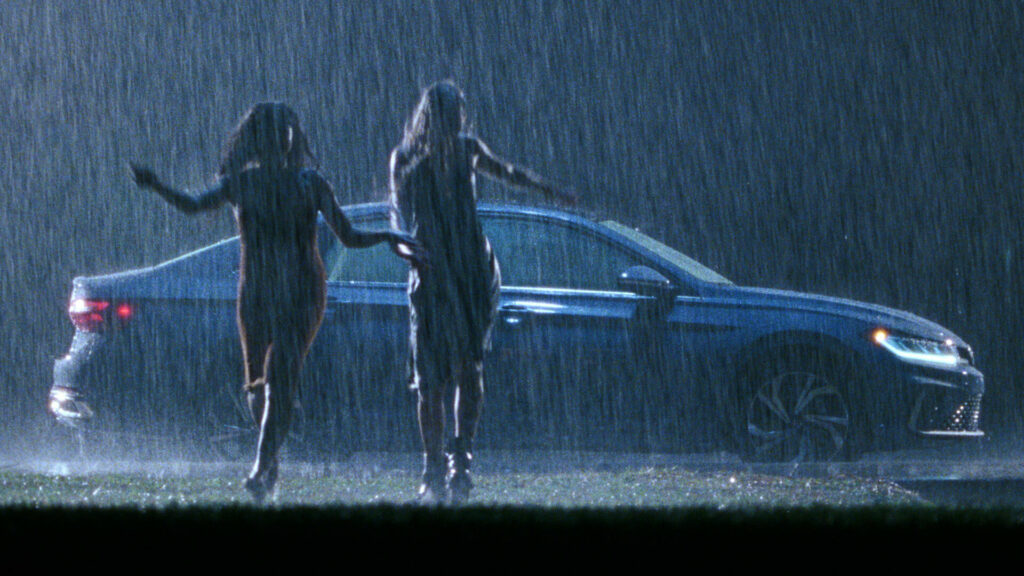
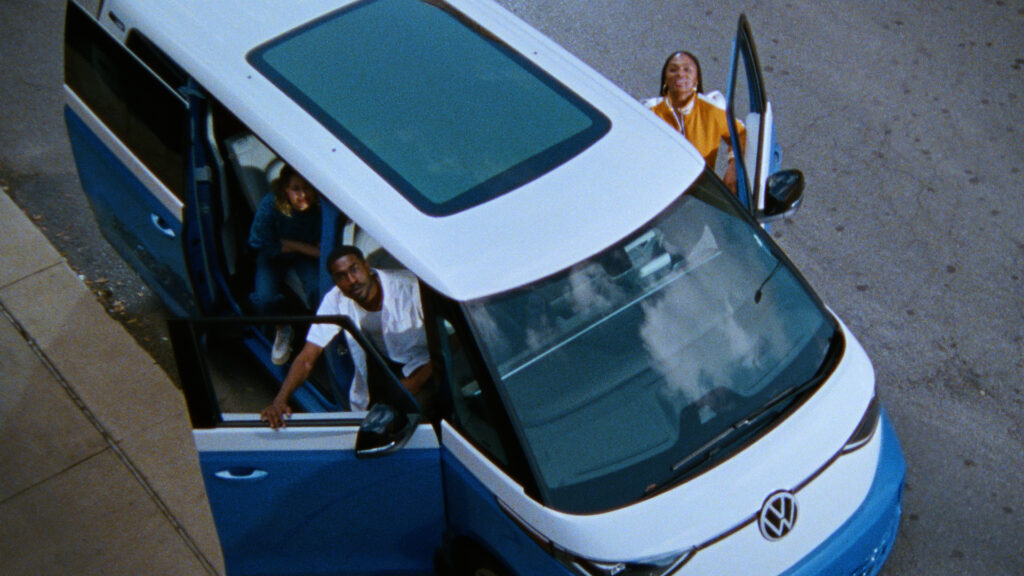
The ad, shot to the iconic hit “Jump Around” by House of Pain, is built around a series of invitations. Viewers will see a dog inviting its owner to play, a woman calling a friend to dance in the rain, and a group of friends inviting a girl for a ride in the electric ID. Buzz minivan. These scenes alternate, showcasing various brand vehicles.
The campaign celebrates the connection between cars and people and “invites everyone to share the joy of driving a Volkswagen.”
The company’s management describes the ad as filled with “irreverent, infectious energy” that conveys “the fresh energy of Volkswagen’s evolved brand direction.” The ad was directed by Leigh Poindexter.
Financial Context and Goals
This advertising push is a serious investment for the brand, considering that, according to media reports, the cost of a 30-second ad during the Super Bowl reaches approximately $7 million. For Volkswagen, this is not just a matter of image but a necessity. Statistics show that the company’s sales in the US last year fell by 13%, to 329,178 vehicles. The only models to avoid a decline were the electric ID. Buzz and ID.4, while the rest of the lineup showed negative dynamics.
The return to the massive advertising space of the country’s most popular sporting event indicates Volkswagen’s attempt to reverse the trend and remind American buyers of its values. The emphasis on the joy of driving and emotional connection, as opposed to purely technical specifications, may be an attempt to resonate with a new generation of drivers. The success of this campaign will be measured not only by the number of views but also by whether it manages to convert this “infectious” enthusiasm into real deals at dealerships, halting the ongoing sales decline.