 by
by Implementation of Speed Cameras in San Francisco
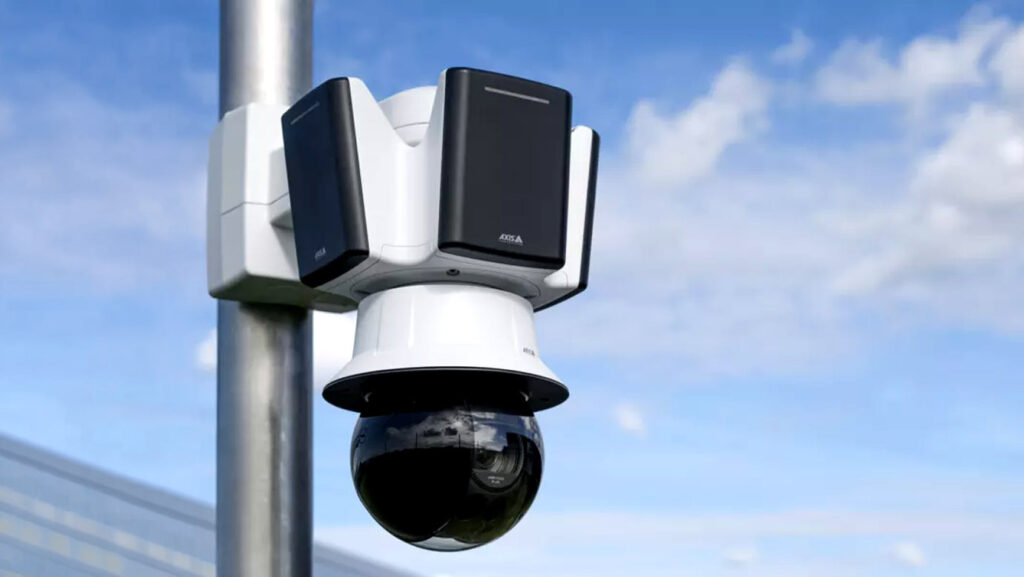
In 2025, San Francisco activated a system of automated cameras to control traffic speed. This step aimed to alleviate the burden on the police, who, due to staff shortages and increasing bureaucratic demands, could not effectively perform this function. The authorities presented the initiative as a gentle reminder for drivers to be more careful, not as a tool for mass issuance of fines.
However, the practical results turned out to be different. The number of speeding fines increased by 369 percent: from just over 26 thousand to 122 thousand. This is a level the city has not seen in the last decade.
Cameras as the Primary Control Tool
According to data obtained by the San Francisco Chronicle, automated cameras issued 91 thousand fines in five months. For comparison, the San Francisco police issue about 20 thousand such violations in a whole year, and red-light cameras issue approximately 10 thousand annually. It turns out that the new cameras did not just help the police but became the primary source of speed control, surpassing traditional methods several times over.
Representatives of the San Francisco Municipal Transportation Agency (SFMTA) state that this result was expected. The program was implemented gradually: initially, drivers received warnings, and fines were only imposed starting in August. Warnings are still given to drivers who exceed the limit by 11-15 miles per hour for the first time. Those driving faster are fined immediately.
Impact on Safety and Expectations
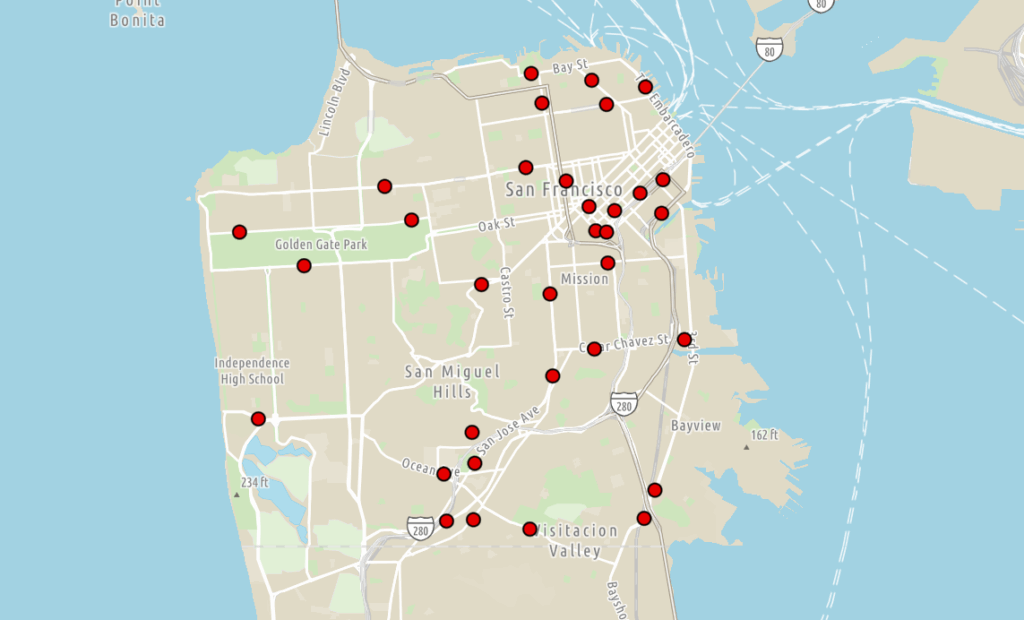
The agency believes that the number of fines will decrease as drivers get used to the new rules. Preliminary data indicate that traffic speed at 15 locations where cameras were installed dropped by 72 percent after their installation. This is a significant shift for a city that did not achieve its “Vision Zero” goal—the complete elimination of road fatalities by 2022—and which has faced declining enforcement effectiveness since 2016.
Research confirms that speed cameras do indeed improve road safety and reduce the number of accidents. However, the Insurance Institute for Highway Safety urges cities to focus on safety, not on budget replenishment. In the case of San Francisco, both factors may be at play.
Financial Aspect of the Innovation
The full amount of revenue from fines has not yet been disclosed by the authorities. However, according to one analytical estimate, in just the first month, when 16,555 fines were issued, the city could have received $1.2 million if all violators paid the fines. By the same logic, the annual revenue could approach $10 million. It is clear that not all fines will be paid, but it is obvious that the city will receive significant additional funding.
The implementation of speed cameras in San Francisco has become a vivid example of how technology can radically change the approach to traffic law enforcement. Although the initial results appear as a “harsh” method, data on reduced speed provide grounds to hope for a positive impact on safety. The key question remains one of balance: will the system be perceived by citizens as a fair tool for saving lives, or as a means of replenishing the city’s treasury? The success of similar initiatives in other cities has often depended on transparency, communication with the public, and a clear focus on reducing accidents.