 by
by A New Level of Concern in Europe
Data security concerns are triggering a new wave of scrutiny of Chinese electric vehicles in Europe, and Poland appears to be the next country preparing to take action. Officials are considering banning these cars from entering sensitive military sites, citing fears they could be used for surveillance.
This step would follow a recent decision by the United Kingdom to restrict Chinese electric vehicles’ access to military zones. It is part of broader efforts to prevent potential access to confidential information collected by modern automotive technology such as cameras, radars, and sensors, which are now commonplace in new cars.
Cars as Espionage Tools?
Cars from China, especially electric vehicles, are becoming increasingly common on European roads, including Poland. A recent study in the country labeled these vehicles “smartphones on wheels,” noting that embedded technology allows them to scan the surroundings and record sensitive geolocation data, which could pose a serious security risk.
“Smart cars have enormous data collection capabilities thanks to high-resolution cameras, sensors, and LiDAR systems that use active 3D mapping technology,” said the study’s author, Polina Uznanska, in comments published by the Polish Press Agency (PAP). “This creates a very high potential for using such vehicles for intelligence analysis purposes.”

Expected Military Response
In response to the study’s findings, the Chief of the General Staff of the Polish Armed Forces, General Wiesław Kukuła, is expected to soon issue an official directive banning Chinese-made cars from all of the country’s military sites. This will also include adjacent parking areas.
The Ministry of National Defense confirmed to the national press agency PAP that it is currently developing a policy to achieve this effect.
Security Policy Tightening
Last year, UK lawmakers noted that the Chinese government has legal rights to access data collected by cameras, sensors, and radar systems in vehicles built using Chinese technology.
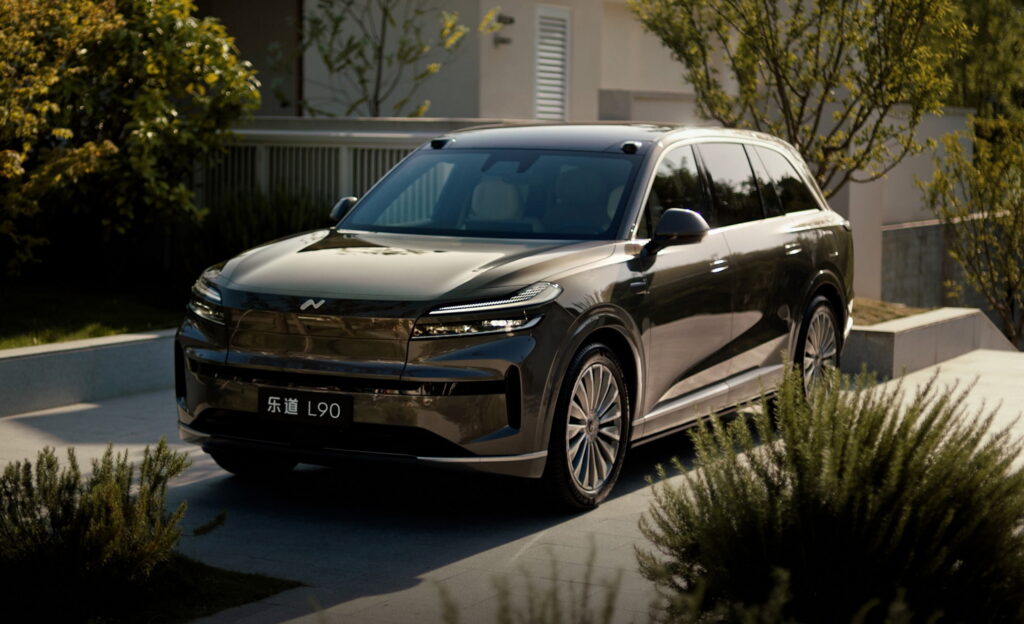
Following a similar approach, the Polish ban is expected to extend not only to models from brands like BYD, MG, Nio, Xpeng, and Aiways but also to any vehicles equipped with Chinese-made software or sensor components.
Possible Expansion of Measures
Beyond military sites, there are suggestions that similar measures could affect other sectors. One industry expert raised the possibility of extending restrictions to key infrastructure facilities such as airports. At the same time, such a policy must be carefully structured to comply with European competition law and avoid regulatory pushback.
These events are unfolding against the backdrop of a global debate on technological sovereignty and the protection of critical infrastructure. The issue of controlling data generated by everyday devices, including cars, is gaining increasing weight in national security strategies. At the same time, such measures could have a significant impact on the market and consumers, who often choose Chinese electric vehicles for their competitive price and advanced technology, presenting governments with the difficult task of balancing security and economic affordability.