 by
by Toyota Abandons a Fully Electric RAV4
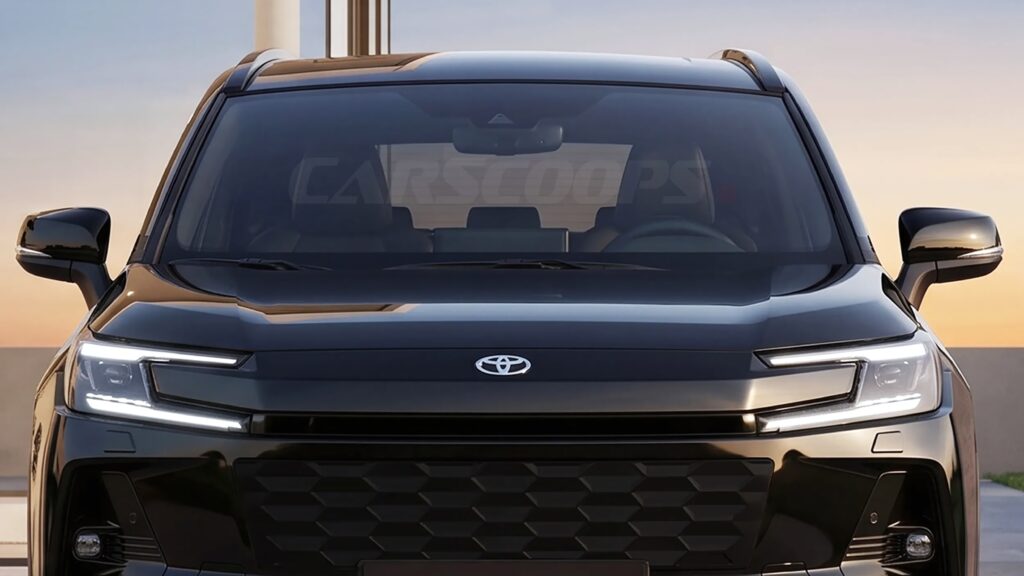
In a world gradually transitioning to electric vehicles, Toyota has decided not to create a fully electric version of one of its most popular SUVs—the RAV4. This step indicates the manufacturer’s clear strategy, which has chosen to focus investments on developing its own line of electric vehicles rather than converting an already successful existing model for batteries.
The main reasons for this decision:
Growing Interest in EVs and Toyota’s Strategy
This news comes against the backdrop of a global increase in interest in electric vehicles. For example, in Australia, sales of the bZ4X model grew by 300%. Not only this model shows positive dynamics. Geopolitical tensions and rising fuel prices are forcing more and more people to consider EVs as an alternative. In March, a record number of new electric cars were registered in Australia, accounting for 14.6% of all new car sales, representing an 88.9% increase compared to last year.
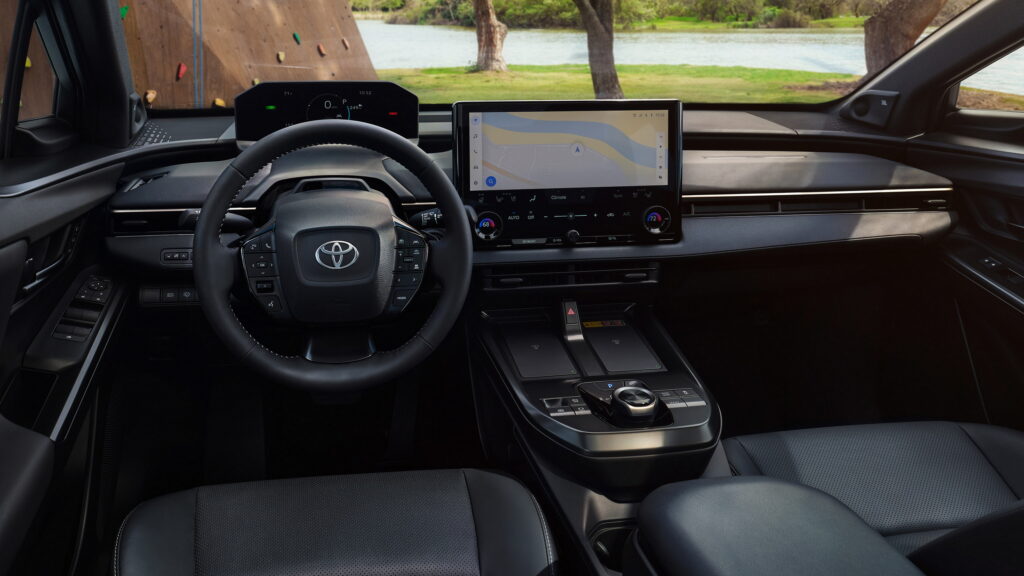
On paper, an electric version of the RAV4, which sells 40,000 units monthly in the US alone, seems like an ideal solution. However, RAV4 Chief Engineer Yoshinori Futonagane confirmed that a fully electric version of this model will not happen. Instead, Toyota is focusing on its specialized electric line under the bZ brand. These models, such as the Toyota bZ4X, are developed from the ground up as core electric vehicles to provide better range and overall performance.
Specialized Platforms Instead of Adaptation
Futonagane explained that simply converting the RAV4 into a fully electric car does not fit into the company’s existing product plan. The RAV4 is built on a hybrid and plug-in hybrid platform, while Toyota’s electric models are developed on separate, purpose-built platforms.
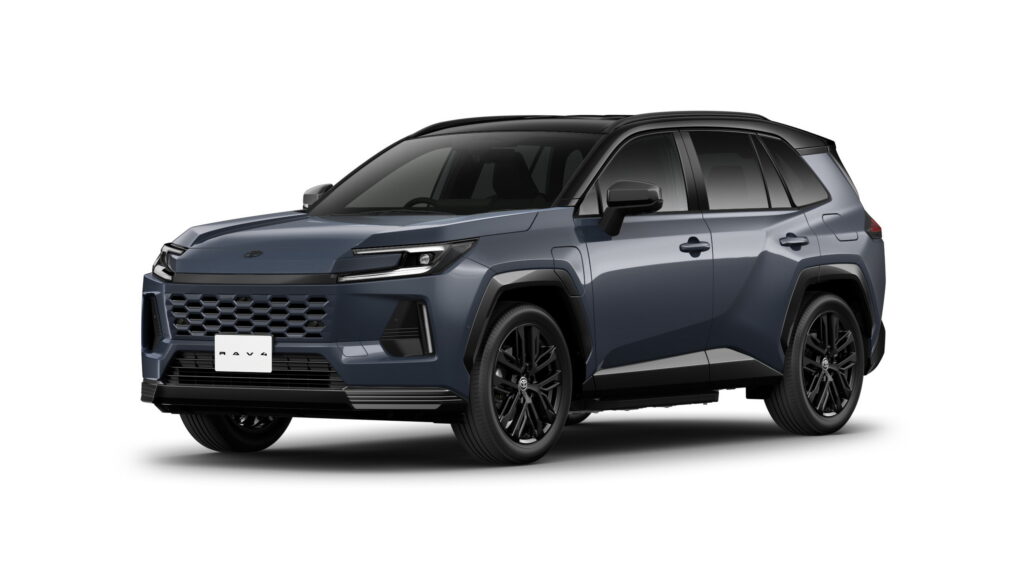
Toyota has chosen a multifaceted electrification strategy. The automaker has invested significantly in hybrids, plug-in hybrids, and hydrogen cars, rather than focusing entirely on battery electric vehicles. The question of whether Toyota’s strategy is correct, especially in the face of competition from Chinese offerings, remains open. However, for now, the company does not plan to hastily change its course.
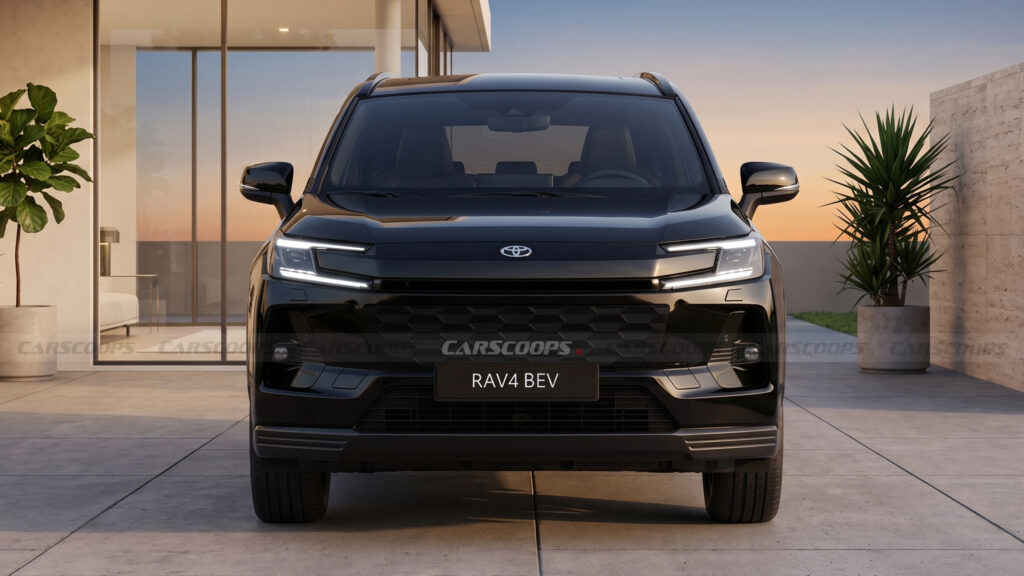
Toyota’s decision may seem unexpected against the backdrop of a global trend, but it demonstrates a deeply considered approach. The company apparently believes that the mass transition to electric power has not yet arrived and continues to confidently develop several technologies in parallel. The success of bZ models, especially in markets like Australia, shows that specialized electric platforms can find their audience without cannibalizing sales of iconic hybrid models. This allows Toyota to maintain leadership in the hybrid segment while testing the waters in the EV market. The future will show whether this cautious, multi-vector strategy will prove to be winning in the long term, when the pressure for a full transition to electric power may intensify.