 by
by A Rare Car and a Non-Standard Repair
Only 60 examples of the Bugatti Chiron Pur Sport were produced, each one being unique. Their starting price was around $3.6 million, and today some used models cost over $6 million. Despite such figures, not all components of this hypercar are unique.
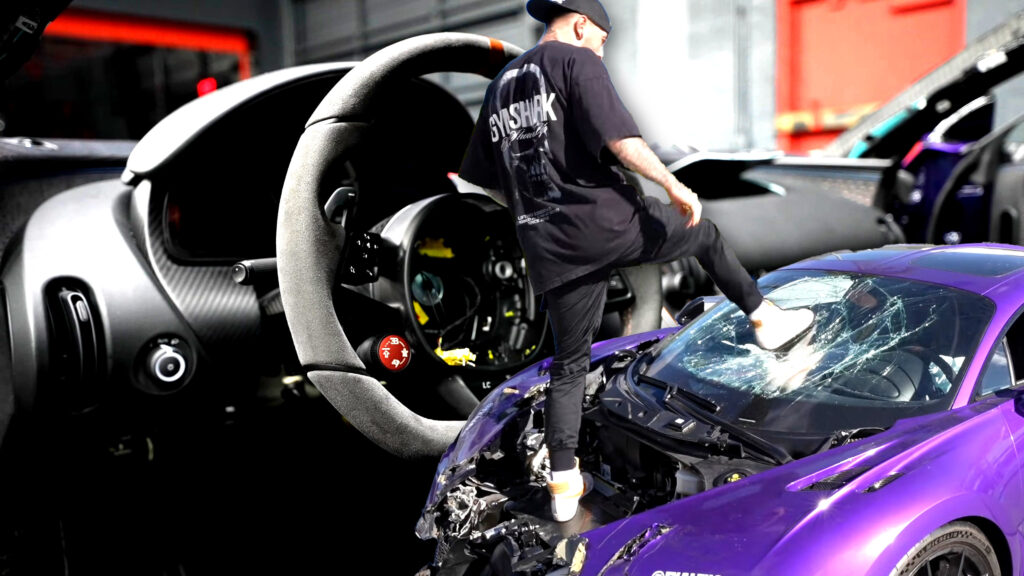
Last year, one of the rare Chiron Pur Sports in the US suffered serious damage in a head-on collision. The owner, influencer Alex Gonzalez, received an insurance payout and later bought the damaged car at a Copart auction for just under $1.9 million. He is now, together with YouTuber Mat Armstrong, attempting to fully restore the vehicle.
Cost of Official vs. Alternative Repair
The official repair estimate from Bugatti initially stood at $1.7 million, provided the restoration was done at the company’s headquarters in Molsheim, France. This amount was later reduced to a range of $600,000 to $700,000. However, the repair required shipping the car to Europe, which Gonzalez was not agreeable to. Instead, he opted for a more practical approach, keeping the project in Miami and working with Armstrong.
Challenges of Restoring a Hypercar
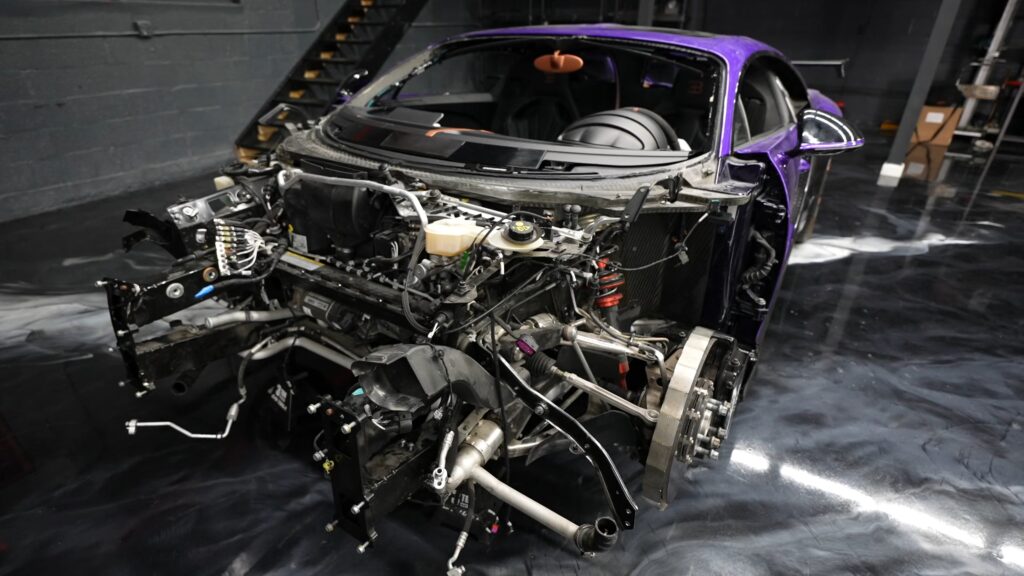
In the first episode of the upcoming large-scale YouTube series, Armstrong began disassembling the Chiron, removing all damaged components. Since Bugatti does not sell parts unless the car is at their facility, the duo will have to improvise. For example, a new set of headlights costs an incredible $150,000 from the manufacturer, so a much cheaper route is to attempt to repair the cracked originals.
Shared Components with Other Cars
The story with the airbags turned out to be particularly interesting. If Bugatti were performing the repair, they would use original, undoubtedly very expensive, airbags. However, by checking the part numbers for the knee and front passenger airbags in the Bugatti, Armstrong discovered they are identical to the airbags in an Audi A3, which cost less than $50 each. It was also revealed that the steering wheel airbag is the same part as in an Aston Martin DB11.
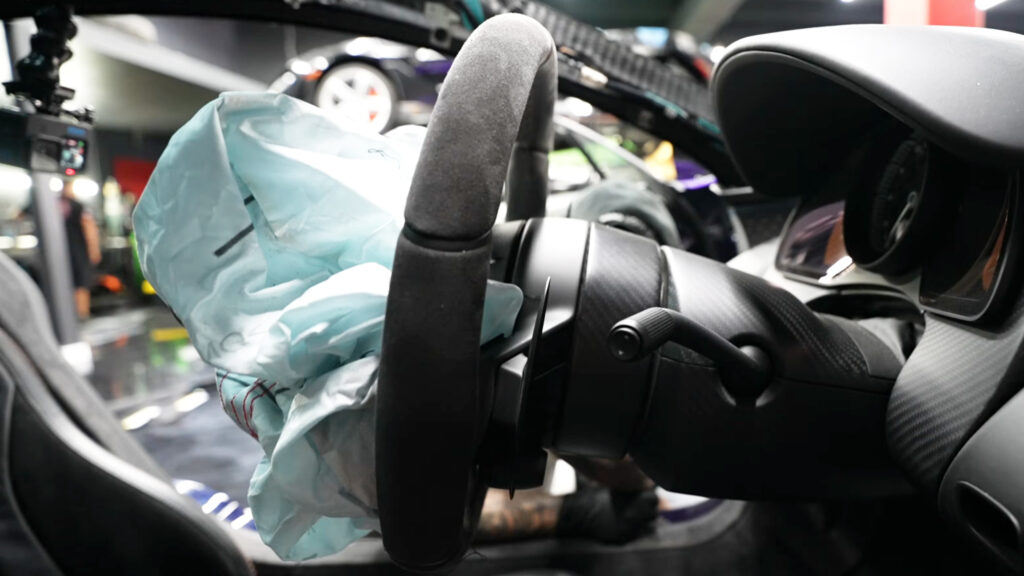
Bugatti is part of the Volkswagen Group conglomerate, so some parts sharing is not surprising. However, when spending money sufficient to buy a small island on a hypercar, one might feel doubts upon learning that it shares safety components with a compact hatchback.
This project vividly demonstrates the gap between the exclusive image and technical reality in the world of super-expensive cars. It also questions traditional approaches to their maintenance and repair, showing that even for the highest level of automobiles, more rational and affordable solutions can exist. The success of this restoration may influence the market and the approach of owners to maintaining such vehicles in the future.