 by
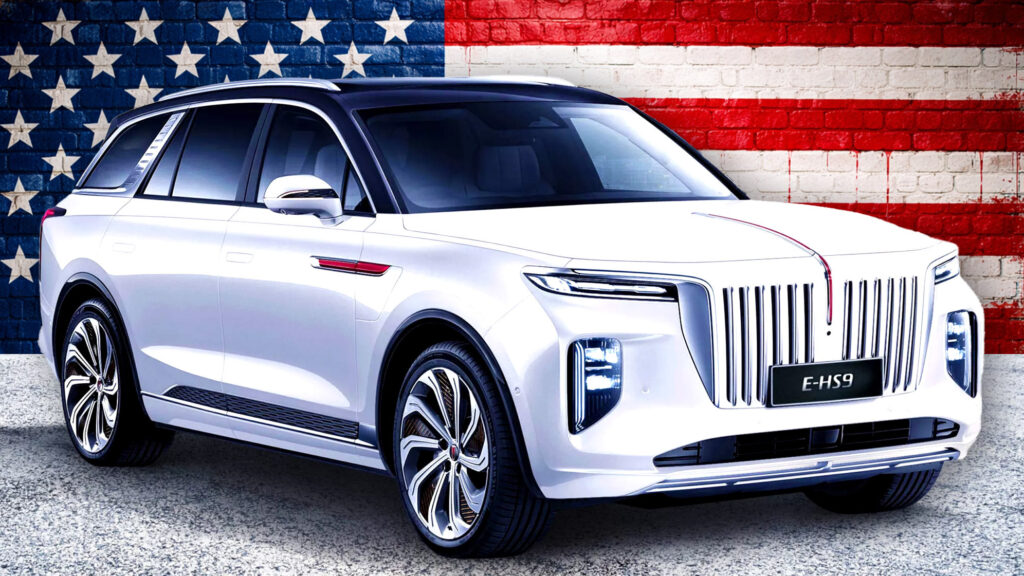
by Chinese cars are rapidly conquering world markets, fundamentally changing the global automotive industry. However, despite active expansion, they have still not managed to break into the US market. While this was previously considered almost impossible, the appearance of Chinese-brand cars in American dealerships, and even their local production, now looks increasingly realistic.
Trade Barriers and Possible Changes
The main obstacle so far has been trade policy. Cars imported from China to the US are subject to a 100% tariff – the highest rate among all car deliveries. This barrier, reinforced by tense trade relations between the two countries, has effectively blocked Chinese cars’ access to American buyers. However, the situation may change.
The Administration’s New Position
President Donald Trump, who previously sharply criticized Chinese goods, made a surprising statement last month. He noted that he would welcome the appearance of Chinese automakers in America, provided they build factories locally and create jobs for Americans.
If they want to come, build a plant and hire you, your friends and neighbors – that’s great. I like that. Let China come in.
A White House representative later clarified that the administration supports foreign investment in American manufacturing, provided national and economic security are not threatened.
Export vs. Local Production
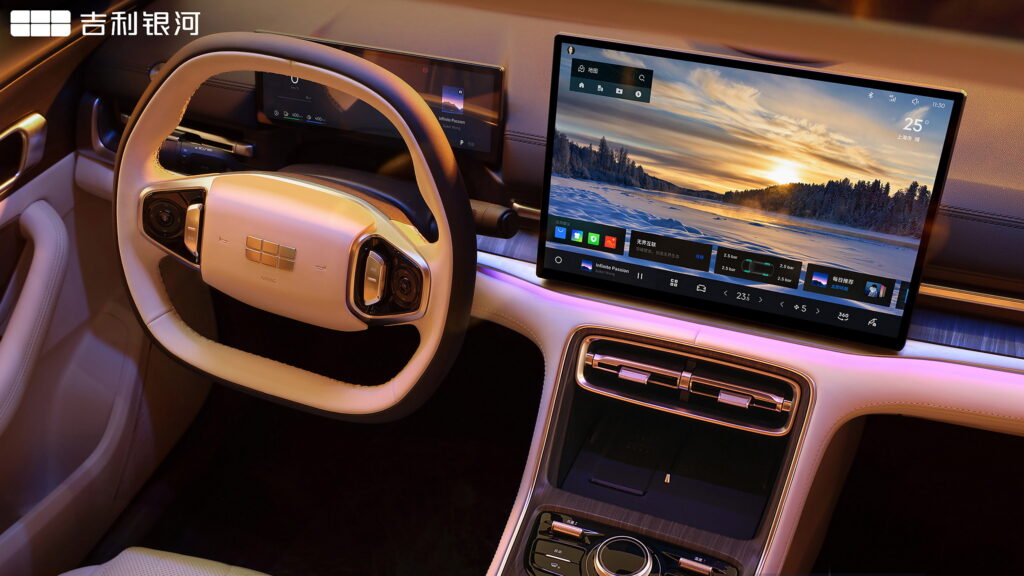
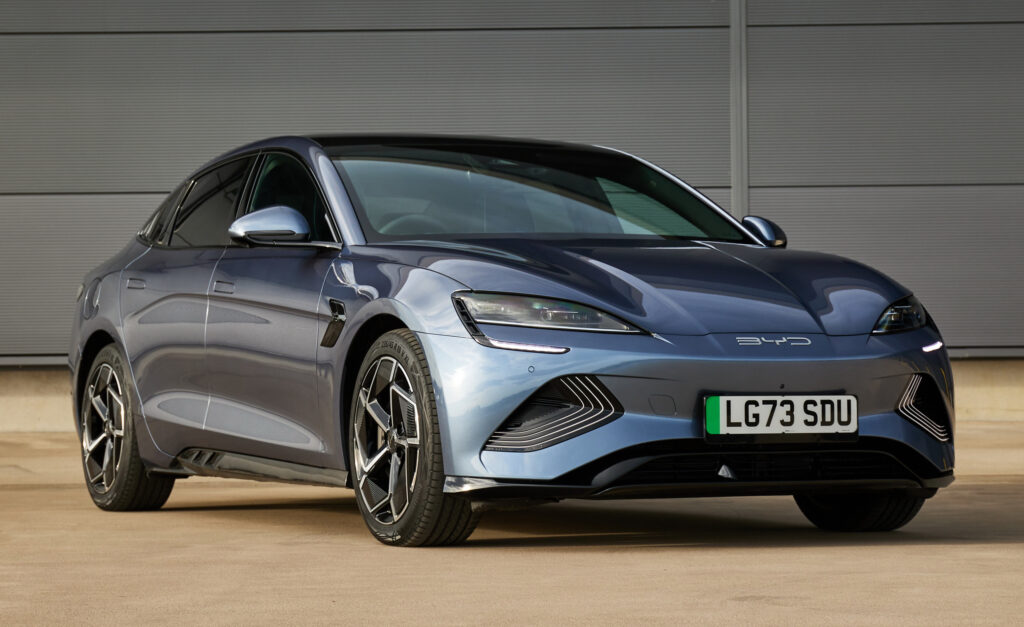
Giants like BYD or Geely would undoubtedly prefer to manufacture cars in China for subsequent export to the US, to take advantage of lower labor costs. However, the scale of the American market may justify investment in local production. Building factories in the US will be expensive, but the potential opportunities may outweigh these costs.
The scale of the Chinese auto industry makes such an ambition realistic. Currently, the country produces about a third of all cars in the world, and last year exported over 8 million vehicles. In 2023, China overtook Japan to become the world’s largest car exporter.
Who Could Be First?
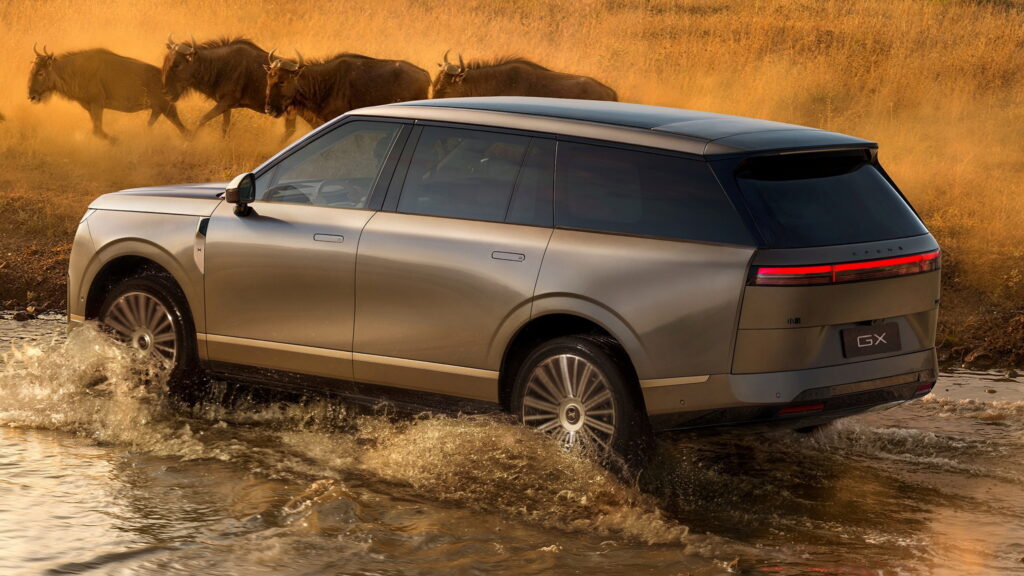
According to expert estimates, Chinese cars could appear in American dealerships within the next 5-10 years. Auto analyst Lei Xing stated that a number of companies have already expressed “willingness to come to the US, build in the US.” Geely could be one of the first to start production in America. Since the company owns Volvo, it could try to share production capacity at the Swedish brand’s plant in South Carolina.
Consumer Reaction and Price Pressure
The appearance of Chinese cars in the US will obviously not be without controversy. Chinese manufacturers will then have to convince American consumers to buy their products, which could be a difficult task. However, if the products are of sufficient quality and the price is attractive, their success is quite possible.
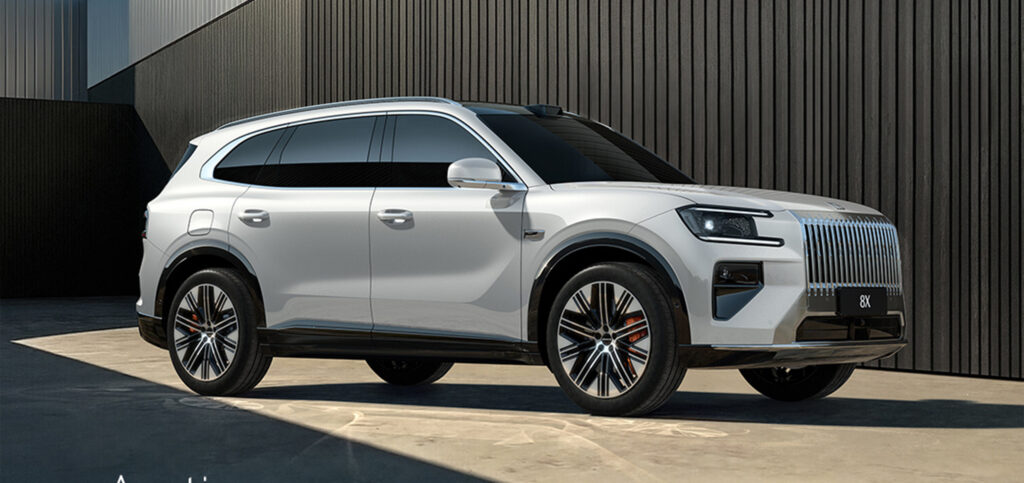
Automotive industry consultant Michael Dunn cited these figures: the average cost of a car exported from China last year was about $19,000, while the average price of a new car in the US is approximately $50,000. Increased competition, especially in the electric vehicle market, could create additional downward pressure on prices.
Do Americans care who exactly made the car if it’s good? I don’t think so. They go to Walmart and constantly buy Chinese things. I believe that in the end, the market primarily values the price-quality ratio. And xenophobia can only go so far.
The potential entry of Chinese automakers into the American market is not just a matter of trade, but a sign of deeper changes in the global economic architecture. The success of companies like BYD or Geely will depend not only on political decisions but also on their ability to adapt to local preferences, build consumer trust, and integrate into existing supply chains. This could contribute to increased competition, which theoretically should positively impact innovation and technology affordability for the end buyer. However, this process will likely be accompanied by prolonged discussions about safety, intellectual property protection, and the impact on domestic manufacturers.