 by
by Stellantis chooses four priority brands
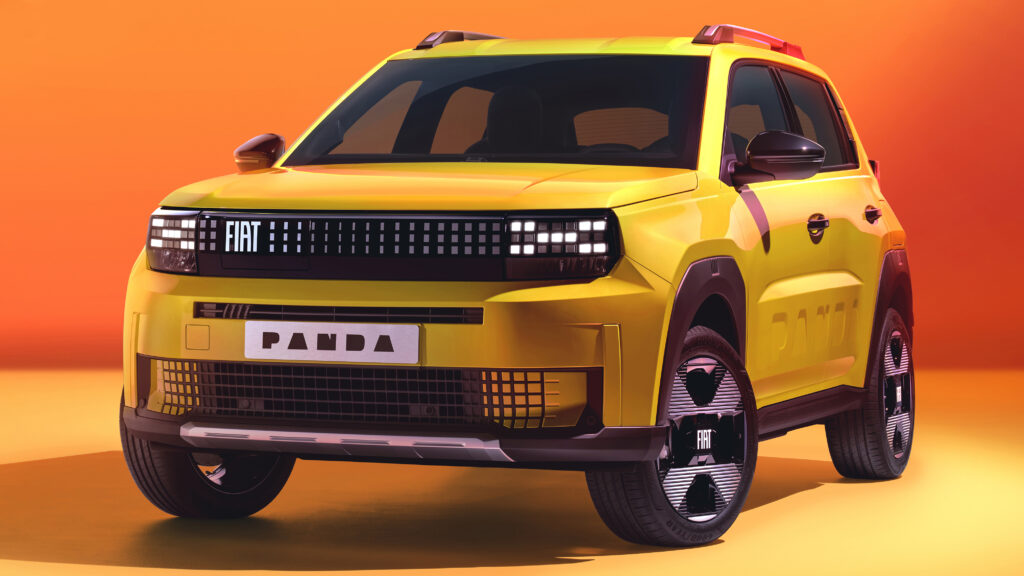
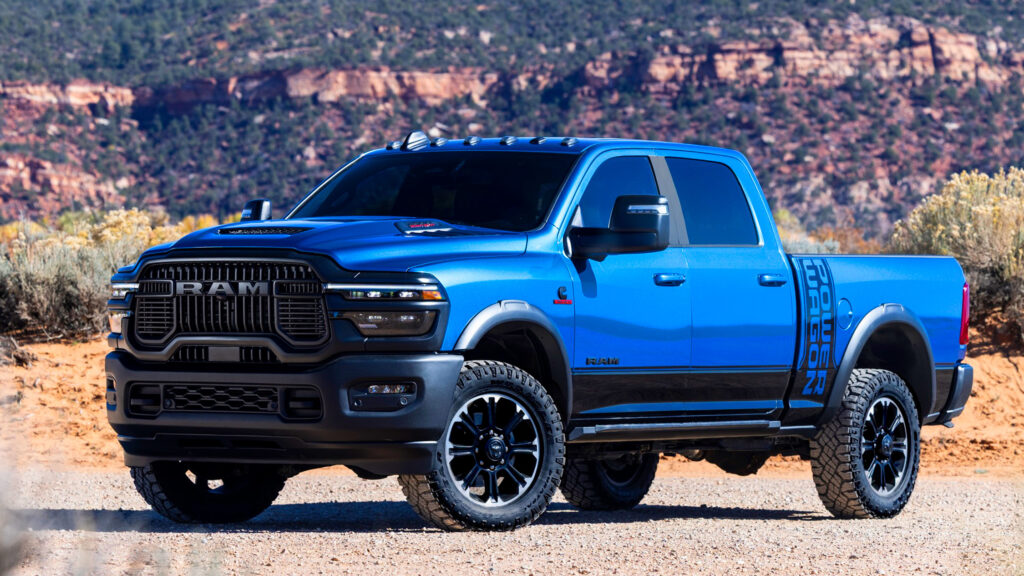
Stellantis, a company that owns more brands than some automakers have model lines, may soon grant special status to only four of them. According to reports, the new strategy of CEO Antonio Filosa will focus on investing primarily in Jeep, Ram, Peugeot, and Fiat.
From a business perspective, this is entirely logical. Jeep and Ram remain the main sources of profit, especially in North America. Peugeot is one of the strongest brands in the group in Europe, and Fiat still carries weight in several markets, providing Stellantis with a valuable presence in the affordable segment.
What awaits the other brands?
The most interesting part is what will happen to the rest of the brands. Stellantis also owns Alfa Romeo, Citroen, Opel, DS, Lancia, Maserati, and others, and none of them will have significant influence on major decisions. Even Dodge won’t get a seat at the main table. Instead of completely shutting down these brands, the plan reportedly involves a more selective use of many of them in countries or segments where they still have demand.
Thus, instead of each marque getting its own expensive future and a significant share of investment, second-tier brands will be able to borrow platforms, powertrains, and electronics from the chosen four. This could mean more badge engineering than brand fans would like. One possible avenue reported is rebranding cars adapted to local tastes.
Reprieve
But at least these brands may survive, as, according to Reuters, Filosa does not plan to “swing the axe.” Closing an automotive brand can save money, but reviving it later is difficult, expensive, and often impossible. Names like Lancia or Alfa Romeo, which have long been under threat, still have heritage value, even if legacy doesn’t always pay the quarterly bills.
Financial difficulties
The pressure is real. Stellantis has lost ground in both America and Europe, while Chinese brands continue to expand. Like other automakers, the company recently suffered huge financial losses related to shifting EV plans, highlighting how quickly the market has moved away from previous forecasts.
This is why shared multi-energy platforms are now more important than ever. Cars that can support gasoline, hybrid, and electric powertrains give automakers flexibility when customers and regulators refuse to stick to one scenario.
This approach allows Stellantis to focus resources on the most profitable brands while keeping other marques “afloat” through shared technologies. It is a risky but pragmatic strategy in an environment of fierce competition and rapidly changing market conditions. Whether brands like Dodge or Opel can maintain their identity while becoming “secondary” remains to be seen, but it is clear that Stellantis is betting on efficiency rather than diversity.