 by
Stellantis changes priorities in motorsport
Stellantis, as part of the strategic plan FaSTLAne 2030, has announced its exit from the World Endurance Championship (WEC) and Formula E. This decision is part of a large-scale cost-reduction programme. At the same time, the group is not leaving motorsport entirely, despite earlier reports of an alleged complete shutdown of racing activities. Instead, Stellantis will reallocate resources to customer racing.
This approach means that factory programmes in the most expensive series will give way to projects that require lower costs but retain marketing and engineering value for the group’s brands. For the group, this is an important signal: motorsport remains part of the business, but its format is changing.
The Peugeot 9X8 becomes the most noticeable loss
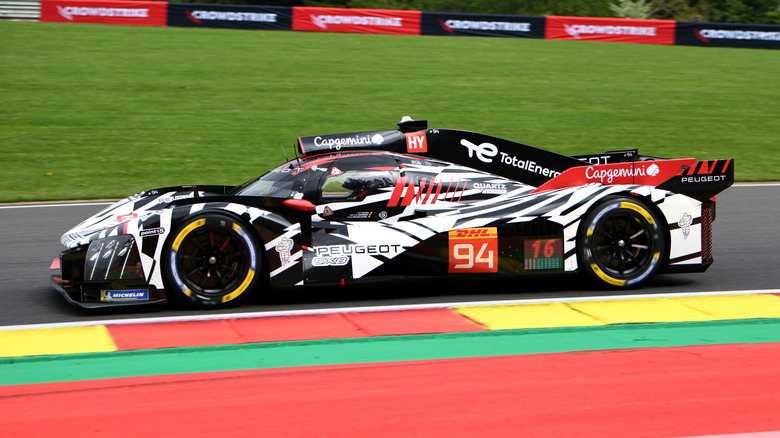
The most resonant consequence of Stellantis’s racing cutback was the abandonment of the Peugeot 9X8 hypercar. This unusually designed Le Mans Hypercar class car debuted in racing at the 6 Hours of Monza in 2022. Over four years, it competed in the 24 Hours of Le Mans.
The 9X8’s best result at Le Mans came in 2023: the crew of Paul di Resta, Mikkel Jensen and Jean-Éric Vergne finished eighth. The hypercar subsequently reached the podium several times in the WEC, but it was unable to secure any victories. The Peugeot 9X8 is now being withdrawn from competition immediately, as the 2026 season ended on 8 November.
For Peugeot, this is the end of a separate chapter in modern motorsport. The 9X8 was a bold engineering project with unconventional solutions, but its results did not match the scale of investment required by a WEC programme. That is why this car became the most visible symbol of Stellantis’s new cost-saving course.
Formula E loses Citroën and Opel
Stellantis is also stepping away from Formula E, the leading open-wheel electric series. The group currently competes there under the Citroën brand and has also announced a second team under the Opel marque for the 13th season, which starts in December. Both brands are due to leave the series after the season ends next summer.
Exiting Formula E underscores that Stellantis is reviewing even those projects tied to electrification and electric vehicle promotion. Formula E remains an important platform for technology and marketing, but the costs of participation evidently no longer fit the group’s new financial model.
Lancia keeps its rally programme
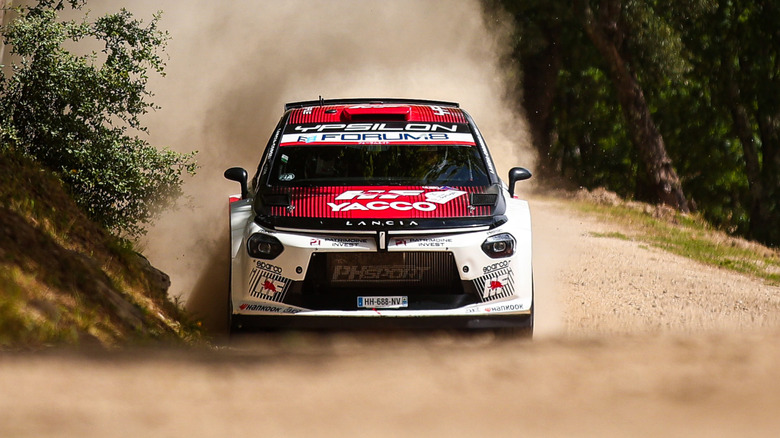
Despite exiting WEC and Formula E, Lancia will continue to compete in the WRC2 class of the World Rally Championship. The Lancia Corse HF rally team is part of the group’s customer racing programme. Electric Opel Corsa and Mokka rally cars will also compete.
Lancia successfully returned to rallying earlier this year. The team won WRC2 at Rally Croatia in April, taking its first WRC victory in more than 30 years. Lancia later won Rally Islas Canarias and Rally Chile with the Ypsilon model, and in August it secured the WRC2 team title at Rally Paraguay.
For Lancia, rallying is not just a marketing tool but part of the brand’s historical identity. That is why retaining the WRC2 programme looks like a logical step: it allows the marque to maintain its sporting heritage without the costs demanded by factory projects in WEC or Formula E.
Customer motorsport and employees
Stellantis plans to retain and transfer employees of its racing divisions to other roles. Some specialists will work in the customer racing department and other areas of the group. In addition, Stellantis Motorsport will continue working on high-performance versions of Alfa Romeo, Maserati, Peugeot, Lancia and Opel models.
Thus, the group is not abandoning motorsport engineering as such. It is changing its emphasis: instead of expensive factory teams in global series, more attention will be paid to customer programmes, rallying and the development of performance versions of production cars. This allows it to retain competencies while reducing the financial burden.
Financial framework of FaSTLAne 2030
Stellantis presented its five-year strategic plan FaSTLAne 2030 earlier this year. The group intends to launch more than 60 new models, including 29 electric vehicles. Approximately 70% of investment in brands and products will be directed to Jeep, Ram, Peugeot and Fiat, which have the greatest growth and profitability potential.
A separate goal is to significantly reduce the development time for new cars. Whereas currently it can take up to 44 months to create a new vehicle, Stellantis plans to reduce this to 24 months. By 2028, the group also expects to achieve annual cost savings of €6 billion, or approximately $6.5 billion.
What this means for the further strategy
For Stellantis, the decision looks like a compromise between image and financial discipline. WEC and Formula E require large budgets, constant engineering resources and complex logistics. At the same time, customer racing and rallying can give brands a noticeable presence in competition at lower cost. This is especially true of Lancia, for which rally history is a strong element of identity.
The withdrawal of the Peugeot 9X8 from WEC also shows that even a striking engineering project does not guarantee long-term support if it does not deliver the expected sporting and commercial results. In turn, retaining WRC2 for Lancia and supporting electric Opel rally cars allow Stellantis to remain in motorsport where programmes have a more applied nature and a closer link to production models.
This approach could become a broader trend for large automakers: instead of maintaining several expensive factory teams — selective programmes, customer cars and performance versions of mass-market models. For Stellantis, this means fewer high-profile racing projects, but preservation of engineering experience, marketing presence and a connection to the brands’ history.